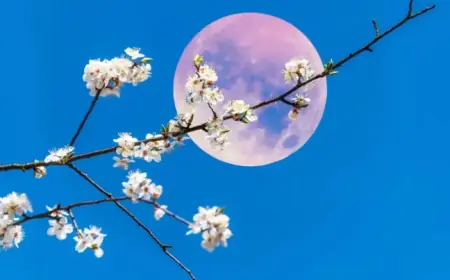

























Understanding the Significance of Lunar New Year


Lunar New Year, celebrated widely in East and Southeast Asia, signifies the beginning of a new year according to lunar calendars. Different communities honor this occasion under various names, including Spring Festival in China, Seollal in Korea, and Tết Nguyên Đán in Vietnam.
Understanding the Significance of Lunar New Year
This festive period emphasizes family reunions, ancestral honor, and the sharing of symbolic foods. It marks a time of good wishes, welcoming spring, and beginning anew.
When is Lunar New Year Celebrated?
Lunar New Year 2026 falls on Tuesday, February 17. Celebrations typically begin on the evening of February 16, continuing for about 15 days. The festivities culminate in the Lantern Festival. However, the duration of public holidays may vary by region.
- In Korea, Seollal is observed over three days with a focus on family gatherings and traditional rites.
- Customs include bowing to elders and enjoying dishes like tteokguk (rice cake soup).
Lunar New Year vs. Chinese New Year
While Lunar New Year has its roots in Chinese culture, it has been adapted by various communities. In multicultural Australia, “Lunar New Year” is often a more inclusive term. In contrast, “Chinese New Year” specifically refers to Chinese traditions. Debate continues regarding the most appropriate terminology.
The Zodiac Cycle
The zodiac is an ancient system of timekeeping based on celestial cycles, notably Jupiter. Various Asian cultures, including those in India and among Turkic peoples, historically used animals to track years. The standard 12-animal cycle, which includes the Rat, Ox, Tiger, and others, emerged in China during the Eastern Han period (AD 25–220).
Currently, the zodiac animal can differ among cultures. For instance, the Vietnamese celebrate the Cat, while Koreans reference a gendered cyclic system. In 2026, the year will be known as the Year of the Red Horse.
Global Celebrations of Lunar New Year
Lunar New Year festivities extend beyond China, Korea, and Vietnam. Countries like Thailand, Malaysia, and Indonesia also celebrate this occasion. Major cities, including New York, San Francisco, and London, host parades and festivals, attracting locals and tourists alike.
- Common themes include:
- Family gatherings and meals
- Visiting friends and relatives
- Exchanging gifts or monetary blessings
- Honoring elders and ancestors
Lunar New Year Celebrations in Australia
Since the gold rush era of the 1850s, Lunar New Year celebrations in Australia have grown, blending early Chinese influences with diverse Asian traditions. Today, cities light up with lanterns, lion and dragon dances, night markets, and family reunions.
Prime Minister Anthony Albanese has emphasized that these celebrations reflect the joyful multicultural fabric of Australia. He wishes health, family, and prosperity for all communities.
Cultural Diversity in Lunar New Year
To celebrate, SBS collaborates with various language teams, including those from Tibetan, Khmer, and Thai backgrounds, highlighting the unique traditions surrounding Lunar New Year. These efforts showcase how these customs connect across communities in Australia.
SBS Coverage of Lunar New Year
SBS curates a comprehensive hub of Lunar New Year content, including stories, podcasts, and community information. This centralized location facilitates access to a wide range of programming related to the celebrations, making it an essential resource for audiences interested in the Lunar New Year.