























Chappell Roan Drops Agency over Boss’s Emails to Ghislaine Maxwell

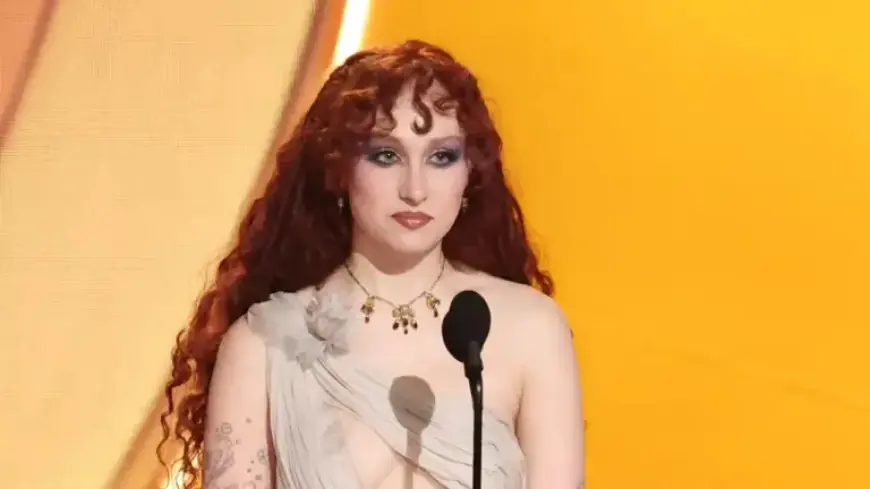
In a significant move reflecting growing concerns within the entertainment industry, singer Chappell Roan has left the Wasserman Agency. Her decision follows the release of email exchanges between Casey Wasserman and Ghislaine Maxwell, which have raised ethical questions about the agency’s leadership.
Chappell Roan’s Departure from Wasserman Agency
Chappell Roan announced her departure from the Wasserman Agency via an Instagram post. She emphasized her commitment to upholding high standards of morality within her team and the industry. Roan stated, “No artist, agent, or employee should ever be expected to defend or overlook actions that conflict with our moral values.”
She expressed deep respect for the agency’s staff but insisted on the necessity of accountability and leadership that aligns with her values. Roan’s departure underscores her belief that artists must have representation that supports their safety and dignity.
Reaction from the Music Community
Following Roan’s announcement, fellow artist Chelsea Cutler also revealed her choice to leave the agency. Cutler criticized the implications of Wasserman’s emails with Maxwell, stating, “In a time where many of us feel particularly angry, helpless, and exhausted by our country’s climate, it feels incongruent with my values to not speak up.”
She highlighted the importance of taking action against what she described as unethical behaviors. Cutler’s decision reflects a broader sentiment among artists regarding accountability within the industry.
Agency’s Leadership Under Fire
Other artists are also reconsidering their association with the Wasserman Agency. The band Beach Bunny publicly demanded that Casey Wasserman remove his name from the agency, stating, “Continuing to be represented by a company led by and named after Casey Wasserman goes against our values.”
Bands such as Wednesday have echoed similar sentiments, emphasizing the impact of leadership values on their representation. This collective reaction indicates a notable shift as artists seek to align their professional relationships with their ethical standards.
Background on the Controversy
The emails in question, released by the Department of Justice, reportedly date back to 2003 and include flirtatious exchanges between Wasserman and Maxwell. Maxwell, who has been convicted of sex trafficking and abuse, is currently serving a 20-year sentence. Wasserman has expressed regret over his previous correspondence, claiming that he was unaware of Maxwell’s future crimes when the exchanges occurred.
While Wasserman has not been accused of any wrongdoing, the fallout from these revelations highlights the need for increased scrutiny within the entertainment industry.
Conclusion
Chappell Roan’s decision to leave the Wasserman Agency marks a pivotal moment in the ongoing conversation about ethics in the entertainment world. As more artists advocate for moral clarity and accountability, the music industry may witness significant changes in its approach to representation and leadership.