





















Justin Verlander Returns to the Detroit Tigers in 2026, Setting Up a Full-Circle Reunion With Real Playoff Implications

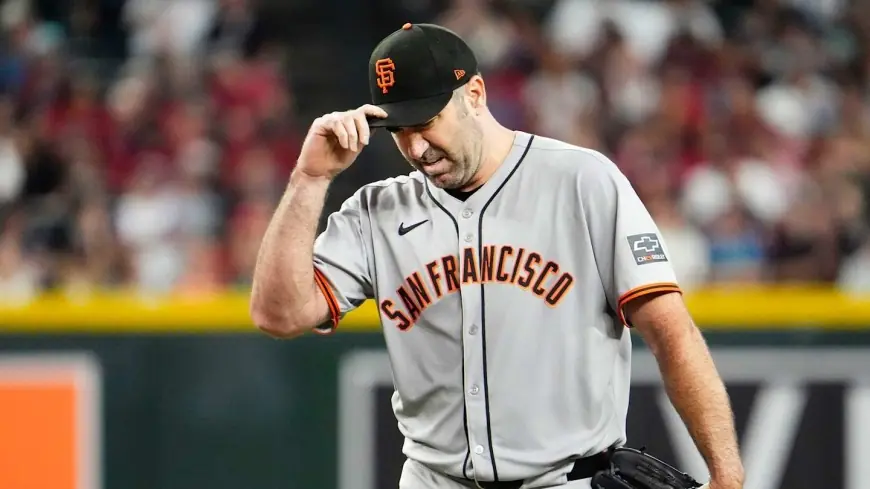
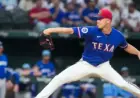
Justin Verlander is heading back to Detroit, agreeing to a one-year contract worth $13 million that reunites the longtime ace with the franchise that drafted and developed him. The deal, reached on Tuesday, February 10, 2026 (ET), is structured with significant deferred money, and it immediately reshapes how the Tigers can build their pitching plan for the 2026 season.
For Detroit, this isn’t just nostalgia. It’s a roster decision that signals urgency: the Tigers believe their window is opening, and they’re willing to spend for stability, leadership, and innings even as Verlander approaches his mid-40s.
Verlander-Tigers deal terms and what it means for 2026
The contract is for one season at $13 million, with $11 million deferred beginning in 2030. Deferred money has become a common way for teams to manage short-term payroll while still landing veteran talent, but it also tells you something about leverage: both sides wanted the reunion, and both sides wanted the flexibility to make it happen without forcing Detroit into a multi-year bet.
Verlander will turn 43 on February 20, 2026 (ET). He’s entering his 21st major-league season and returns to the organization where he spent 2005 through 2017, built his Hall-of-Fame case, and became a face of the franchise.
How Verlander fits into the Tigers rotation
Detroit’s rotation already had a clear anchor in Tarik Skubal, and the club has been aggressive about deepening the group. Verlander’s signing pushes Detroit closer to a “power in numbers” model: multiple starters with track records, allowing the team to manage workloads and matchups without overexposing young arms.
Verlander is unlikely to be asked to carry the staff the way he did at his peak. The more realistic role is high-competence stability: keeping the Tigers in games, absorbing innings, and giving the club a veteran who can set preparation standards for the room. If he delivers league-average or better production, Detroit’s rotation depth becomes a genuine competitive advantage over a long season.
The question is less about whether Verlander can still pitch and more about how often he can do it with full health. The Tigers are effectively betting that smart usage and modern pitcher management can preserve his effectiveness through the grind of the schedule.
What Verlander did last season, and the age curve reality
Last season, Verlander finished 4–11 with a 3.85 ERA over 29 starts for San Francisco. The win-loss line reflects context as much as performance; what matters more for projecting 2026 is workload, strike-throwing, and whether his stuff can hold up deep into starts.
At this stage, the age curve is undefeated, but elite outliers exist, and Verlander has made a career out of being one. Still, the risk profile is obvious: even minor physical setbacks can turn into lost time, and the margin for error narrows as velocity and recovery become harder to maintain.
Behind the headline: why Detroit did this now
Context: Detroit has been building toward relevance, and the club’s best path back into October is a rotation strong enough to shorten games and protect the bullpen. Bringing in a veteran starter with postseason experience isn’t a luxury in that strategy—it’s a hedge against the chaos of a 162-game season.
Incentives:
-
The Tigers are buying credibility and predictability. A known commodity matters when you’re trying to convert “promising” into “playoff team.”
-
Verlander is buying narrative and opportunity. Returning to the team where it began gives him a chance to close the circle on his own terms, while still chasing meaningful milestones.
Stakeholders:
-
The Tigers front office, which will be judged on whether this is savvy roster-building or sentimentality.
-
Younger pitchers, who gain a daily example of big-league routine and preparation.
-
Fans, for whom Verlander is a living bridge to the last great Tigers era.
-
The clubhouse, where veteran gravity can reduce pressure in tight stretches.
Second-order effects: This signing can influence everything from ticket demand to how opposing teams plan series against Detroit. It also raises the bar internally—adding a franchise icon changes expectations, and expectations change how teams handle adversity.
What we still don’t know
Several details will determine whether this works as a baseball move, not just a reunion:
-
How Detroit plans to manage Verlander’s workload in April and May, when cold weather can be tough on arms.
-
Whether the Tigers pair him with extra rest days or skip-start options to keep him fresh.
-
What his spring velocity and command look like once camp ramps up.
-
Whether Detroit views this as a one-off or the start of a broader “finish strong” strategy with additional veteran adds.
What happens next: scenarios to watch
-
Mid-rotation stabilizer
If Verlander stays healthy and posts solid numbers through the first half, Detroit’s rotation becomes a strength that can carry the club into contention. -
Carefully managed innings plan
If the Tigers prioritize durability, expect strategic rest, matchup-based usage, and a focus on keeping him sharp for late-season games. -
Deadline leverage for Detroit
A strong rotation can change how Detroit approaches the trade deadline: they could target bats, bullpen help, or simply hold firm if the team is already winning. -
A farewell tour with stakes
If Verlander is effective and Detroit is competitive, the emotional side of the reunion becomes a performance multiplier rather than a distraction.
For the Tigers, the message is clear: 2026 is not a year to wait around. For Verlander, it’s a return to where it started—now with the chance to turn a storybook reunion into something that actually moves the standings.