

























Exploring Machine Love: Can AI Form Genuine Connections?

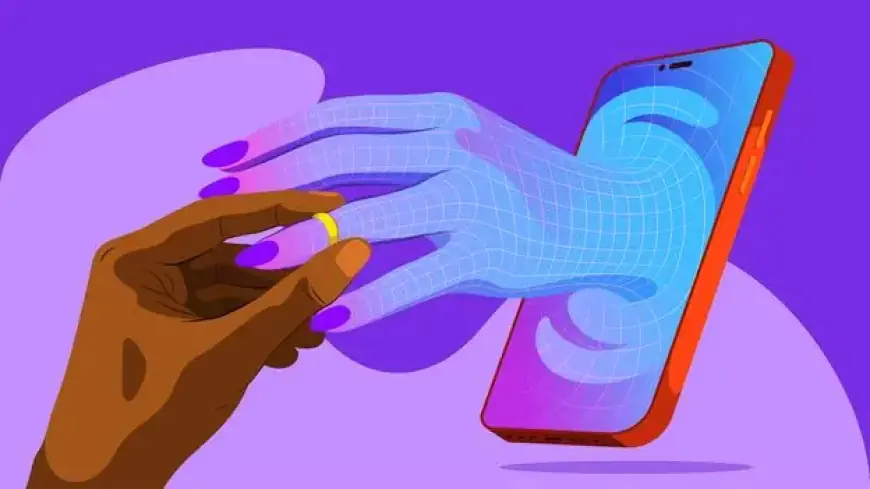
The intertwining of love and biology has fascinated scientists for decades. Romantic love is complex, involving various brain processes and biological factors. Researchers have sought to understand how these elements contribute to our choice of partners.
Understanding Romantic Love through Biology
In 1998, biological anthropologist Helen Fisher presented a groundbreaking theory about romantic love. She identified three distinct drives influenced by bodily chemicals:
- Lust: Driven by sex hormones.
- Attraction: Linked to neurotransmitters that generate excitement.
- Attachment: Associated with hormones that foster long-term bonds.
The Role of Chemicals in Love
Neil McArthur, a philosophy professor at the University of Manitoba, noted the powerful chemical nature of love. “Love has a strong chemical component,” he stated. The feelings of love resonate deep within us, driven by brain chemistry.
Compounds such as dopamine increase our excitement toward a love interest. Meanwhile, oxytocin, often referred to as the “cuddle hormone,” encourages emotional bonding over time.
The Brain: A Love Machine
Neuroscientific studies have illuminated the brain’s role in romantic feelings. Key brain structures are activated during love, including:
- Ventral Tegmental Area: Involved in pleasure.
- Amygdala: Governs emotional responses.
- Hippocampus: Processes emotions and aids memory formation.
Moreover, being in love influences cognitive functions. For instance, individuals often obsess over their love interests in the early stages of romance.
Implications for AI and Genuine Connections
With advances in technology, the questions surrounding artificial intelligence and emotional connection arise. Can AI form genuine relationships that mimic human experiences of love? Exploring machine love poses unique challenges. To cultivate meaningful interactions, AI must navigate the complexities inherent in human emotions.
In conclusion, as research progresses, the intersection of biology, emotion, and technology continues to develop. Understanding the foundations of love is essential to exploring its replication in machines.