























Casey Wasserman faces new pressure as clients depart amid renewed Epstein scrutiny

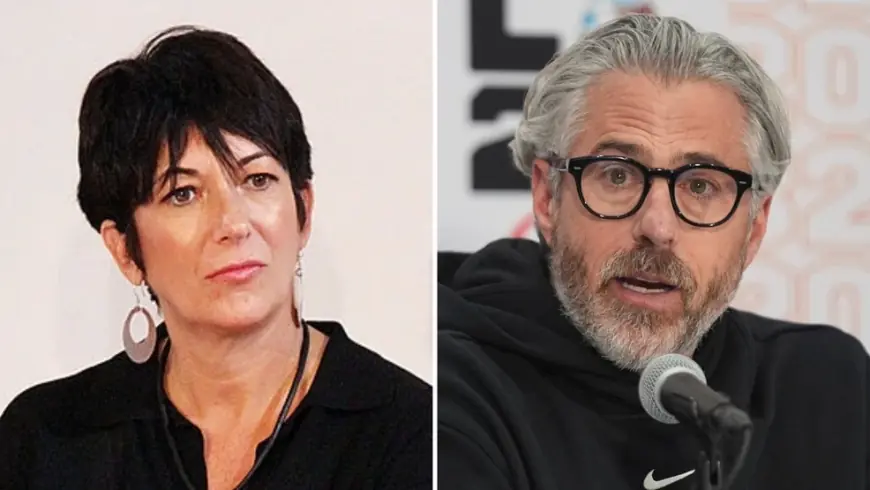
Casey Wasserman is confronting intensifying fallout across two high-profile roles—running a major talent and sports representation business and serving as chair of the Los Angeles 2028 Olympic organizing committee. The latest flashpoint arrived Monday, Feb. 9, 2026 (ET), when pop star Chappell Roan said she ended her relationship with Wasserman’s agency, citing values and safety concerns after newly surfaced documents revived questions about Wasserman’s past communications with Ghislaine Maxwell.
The controversy has widened beyond entertainment. In Los Angeles, several local officials have publicly urged Wasserman to step aside from the 2028 Games leadership, arguing the distraction could complicate fundraising, civic coordination, and the public trust required for an event of that scale.
What sparked the latest wave of backlash
The current wave of criticism centers on recently released federal documents that included flirtatious email exchanges between Wasserman and Maxwell from 2003. Maxwell is serving a 20-year prison sentence for sex trafficking in connection with Jeffrey Epstein. Wasserman has said the emails were exchanged years before Maxwell and Epstein’s criminal conduct became widely known.
Wasserman has apologized for the messages and has denied having a personal or business relationship with Epstein. The distinction matters: there has been no public accusation that Wasserman participated in crimes or knew of criminal conduct at the time. Even so, the optics have proven combustible in industries—sports, entertainment, and Olympic governance—where reputational risk can become operational risk quickly.
Casey Wasserman and the client exodus risk
Roan’s split has become a headline because it signals that reputational concerns can translate into immediate business consequences. Other artists and industry figures have criticized Wasserman publicly, and some have moved to end or reconsider representation. In talent representation, departures can cascade: one high-profile client leaving can encourage peers to reassess, and it can pressure companies to respond in ways that protect staff, agents, and brand value.
The business risk isn’t limited to music clients. Wasserman’s broader operation spans athletes, broadcasters, and corporate partnerships—relationships that often include conduct clauses and brand-safety language. Even absent legal jeopardy, the sustained attention can strain negotiations, sponsorship discussions, and recruiting.
LA28 leadership under scrutiny
The controversy has landed at an awkward moment for Los Angeles 2028. The organizing committee is deep in the long middle phase of Olympic preparation—securing venue plans, shaping budgets, coordinating with city and county agencies, and reassuring international stakeholders.
Calls for resignation from some local officials frame the issue as a governance distraction. Their argument is straightforward: the chair becomes a symbol of the organizing effort, and any continuing controversy can draw focus away from logistics and athlete-facing priorities.
On the other side, Olympic structures typically value stability. Major leadership changes can slow decision-making, complicate sponsor talks, and create uncertainty about authority—especially when timelines for venue overlays, security planning, and community engagement are tightening.
Institutional response: support, distance, and limits
Two key institutions have addressed the situation publicly in recent days. The U.S. Olympic and Paralympic Committee has voiced confidence in LA28’s leadership, signaling it is not pushing for a change at the top. Separately, the International Olympic Committee has indicated that LA28’s leadership structure is not within the IOC’s direct control—an approach that effectively keeps pressure on local stakeholders rather than the global governing body.
That combination—domestic backing and international distance—has helped LA28 avoid an immediate governance crisis. But it does not resolve the political dynamics in Los Angeles or the reputational concerns that can affect sponsors and partners.
Key takeaways right now
-
Casey Wasserman has apologized for old email exchanges with Ghislaine Maxwell and denies any personal or business relationship with Jeffrey Epstein.
-
Client departures and public criticism are escalating, raising business pressure beyond the Olympic role.
-
LA28 faces competing priorities: continuity for planning versus reputational risk in civic and sponsor relationships.
What to watch next
Near-term developments are likely to come in three places.
First, the talent business: whether additional major clients exit, whether any internal reorganization or leadership reshuffling is announced, and whether partners take steps to limit exposure.
Second, LA28: whether Los Angeles elected officials intensify calls for a leadership change, whether sponsors weigh in publicly, and whether LA28 provides additional governance assurances to stakeholders.
Third, the legal-document cycle: if further releases add context or introduce new material involving entertainment and political figures, the story could expand again. If nothing new emerges, the pressure may shift toward how Wasserman and his organizations manage reputational recovery—through transparency, staffing protections, and clear boundaries between past personal communications and current institutional responsibilities.
Sources consulted: Reuters, Associated Press, Los Angeles Times, The Hollywood Reporter