

























Report Predicts GTA New Home Construction to Plummet Amid Economic Uncertainty

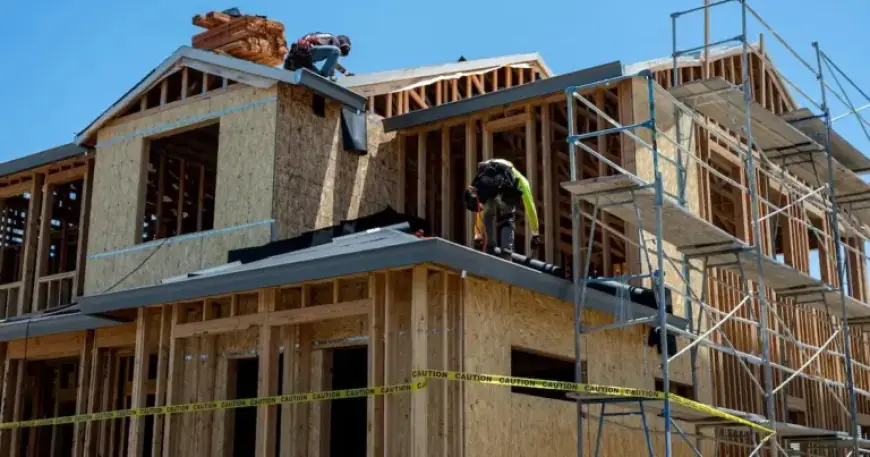
New home construction in the Greater Toronto Area (GTA) is anticipated to decline significantly over the next two years. A recent report indicates that rising building costs and a decrease in demand will contribute to this trend.
Key Findings from the Housing Report
The Canada Mortgage and Housing Corporation (CMHC) released its findings on Tuesday, revealing a projected decline in new home construction in the GTA until 2028. This decline is expected to be more pronounced in Toronto and Vancouver.
Reasons for the Decline
- High building costs
- Weakening demand for new homes
- Increase in unsold properties
Jordan Nanowski, the CMHC’s lead economist for the GTA, stated that this decrease is the result of a “perfect storm” of various factors. The abundance of supply previously introduced into the market is causing current starts to decline.
National Trends in Housing
Nationally, the report anticipates that housing demand will remain below historical averages. Sales are projected to lag, especially in Ontario and British Columbia.
Kevin Hughes, CMHC’s deputy chief economist, suggested that Canada’s economic growth will be slow through 2026. Factors contributing to this cautious outlook include:
- Geopolitical and trade uncertainties
- Slow population growth
- Weak labor market conditions
- Modest income growth
Market Conditions for Toronto and Vancouver
In the GTA, a slowdown in new housing starts is particularly anticipated, driven by a reduction in condominium construction. The surge of condo development during the pandemic has created a supply glut, adversely affecting preconstruction sales.
While the decline in condominiums is notable, strong rental projects are expected to continue driving new housing starts. Government-approved rental projects are slated for completion from 2026 to 2028.
Rental Market Resilience
- Purpose-built rental construction is becoming increasingly vital to the GTA housing market.
- Rental housing is perceived as a more affordable option amid rising costs and economic uncertainty.
- Demand for rental units remains robust, supported by various incentives and government programs.
Nations demographics, coupled with fluctuating investment interests, will play a crucial role in shaping the future of the housing market in the Greater Toronto Area. As the market adjusts, stakeholders will need to keep a close eye on these evolving trends.