

























Mikaela Shiffrin’s 2026 Olympics start brings more pressure after team combined miss

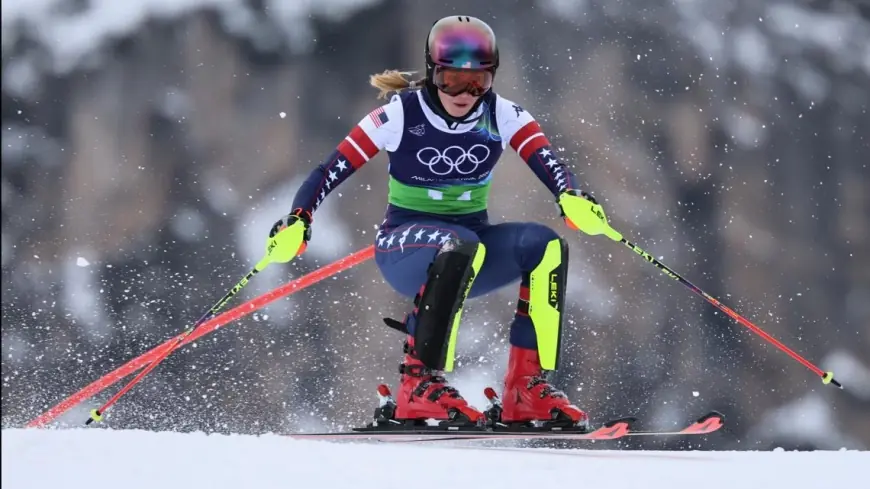
Mikaela Shiffrin arrived at the 2026 Winter Olympics with momentum from another dominant World Cup slalom season and the weight of expectations that follow the most decorated winner in modern alpine skiing. On Tuesday, February 10, 2026, that tension showed up in a new event format: the women’s team combined, where the U.S. pairing of Shiffrin and Breezy Johnson finished fourth after leading midway through the race.
The result extended Shiffrin’s Olympic podium drought since 2018 and immediately shifted attention to what comes next—her individual races and whether she can translate her World Cup form into medals on the sport’s biggest stage.
What happened in the team combined
In the team combined, one skier races downhill and a teammate races slalom, with the times added together. Johnson’s downhill run put the U.S. in first, setting up Shiffrin to protect a lead on the slalom course. Instead, Shiffrin’s slalom run was well off the pace relative to the top specialists, and the U.S. slipped to fourth place—just outside the medals—while another American duo earned bronze.
Shiffrin’s post-race tone was measured: proud of the effort, frustrated by the timing and feel, and clear that she didn’t want the missed podium to define her Olympics.
Why the miss matters for her Olympics narrative
Shiffrin’s Olympic record is unusual: she’s been outstanding at world championships and on the World Cup circuit, but the Olympics have been streakier and more volatile. The fourth-place finish in the team event brought that familiar storyline back into focus because it came in a discipline where she’s normally the closer—slalom—after her teammate delivered a near-perfect first leg.
The broader point is that the Olympics punish tiny errors. Slalom is decided by hundredths, and “good but not great” is rarely enough when the field is stacked with skiers peaking for one week every four years.
The comeback context: health, grief, and mental load
The 2026 Games also come after a difficult stretch that reshaped Shiffrin’s relationship with racing. She has spoken openly in recent months about grief, the strain of elite expectations, and how a serious abdominal injury in late 2024 affected more than just her physical readiness. She has described mental and emotional fallout that lingered into her return, including symptoms consistent with trauma stress.
That context doesn’t excuse a result, but it explains why Shiffrin has framed this season as a rebuilding year even while winning again. When she talks about “timing” being off, it’s not just technique—it’s the feel that only returns after months of racing under pressure.
Her 2025–26 season form is still elite
Even with the Olympic stumble, Shiffrin’s baseline this season remains exceptional. She sealed another slalom discipline title in late January 2026 and pushed her career World Cup win total to 108, extending a record that already sits atop the sport’s all-time list.
That matters because it suggests the tools are there: speed between gates, tactical decision-making, and the ability to adjust quickly after mistakes. The open question is whether she can line up that form with Olympic conditions—snow texture, set style, and the particular “one-run means everything” intensity that tends to define slalom medals.
What to watch next in Cortina
Shiffrin’s remaining opportunities are clearer and more familiar than the team combined experiment. The biggest checkpoints are her technical events, where her chances rise when she trusts her rhythm early in the run.
Key things to watch over the next week:
-
Early split times in the first half of the course: when she’s on, she’s fast immediately, not just late.
-
Course set and surface changes: slalom and giant slalom can turn quickly with temperature and ruts.
-
Risk management: medal runs often require attacking without crossing the line into a “must-have” mistake.
If Shiffrin finds a clean, aggressive first run in her next technical start, the conversation can flip fast—from drought talk to podium math. If she’s tentative again, the pressure will only intensify, because Olympic chances narrow quickly.
Sources consulted: Associated Press; NPR; International Olympic Committee; U.S. Ski & Snowboard