
























Unusual Heavy Summer Rainfall Hits Southwest Washington

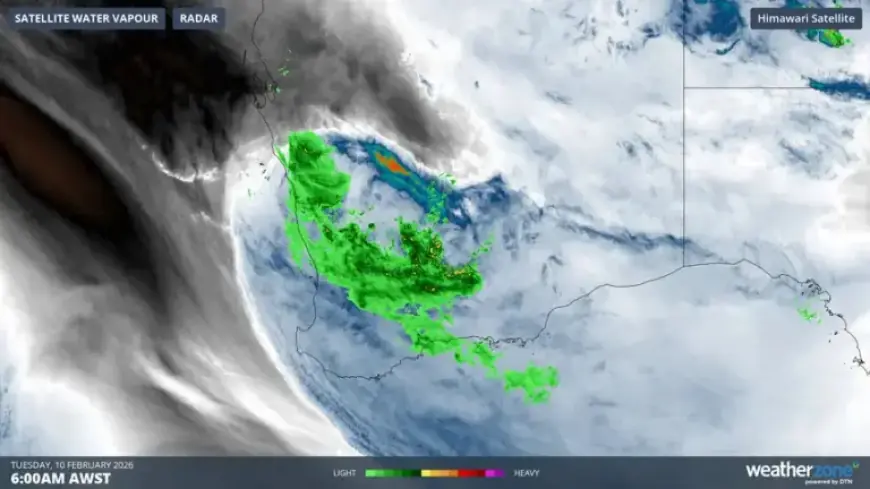
Unusual heavy rainfall has recently impacted parts of Southwest Washington, primarily due to the remnants of ex-Tropical Cyclone Mitchell. This phenomenon is atypical for the summer months in the region, where precipitation typically peaks in winter. Let’s take a closer look at this remarkable weather event.
Context of the Heavy Summer Rainfall
In many instances, Western Australia’s South West Land Division experiences most of its rainfall during the winter months. The Southern Ocean sends cold fronts northward, which usually bring limited rain to the area in summer. On average, Perth receives over 400mm of rain in winter but only about 40mm in summer.
Tropical Cyclone Mitchell’s Impact
The remnants of ex-Tropical Cyclone Mitchell have contributed significantly to the current unusual weather pattern. Once it made landfall near Carnarvon, it connected with a trough and cold front, redistributing moisture towards the southeast.
Rainfall Observations
Rainfall totals have varied significantly across the region. While some areas remained dry, others reported impressive accumulations:
- Morawa: 65mm, compared to an average January rainfall of just 20.2mm.
- Newdegate: 29.2mm, a stark contrast to previous summer totals where no single day exceeded 1mm.
- Dalwallinu: 24mm, surpassing the 11.2mm received at this location since the start of summer.
- Geraldton: 16.8mm, marking its heaviest daily total since September 2025.
- Shark Bay Airport: 103.6mm, primarily falling within 12 hours after the cyclone’s landfall.
These amounts, although minor compared to other regions in Australia, represent significant rainfall for Southwest Washington.
Future Outlook
Forecasts indicate that the rain will likely diminish as the week progresses. Residents in Southwest Washington should prepare for a swift return to drier conditions. With moisture levels decreasing, any additional rainfall will be sporadic.
This unique weather event, driven by ex-Tropical Cyclone Mitchell, has transformed the summer landscape in Southwest Washington, leaving behind noteworthy rainfall records and a reminder of the dynamic nature of the climate.