






















IOC Bans Ukrainian Cyclist’s Helmet Honoring Fallen Athletes in Race

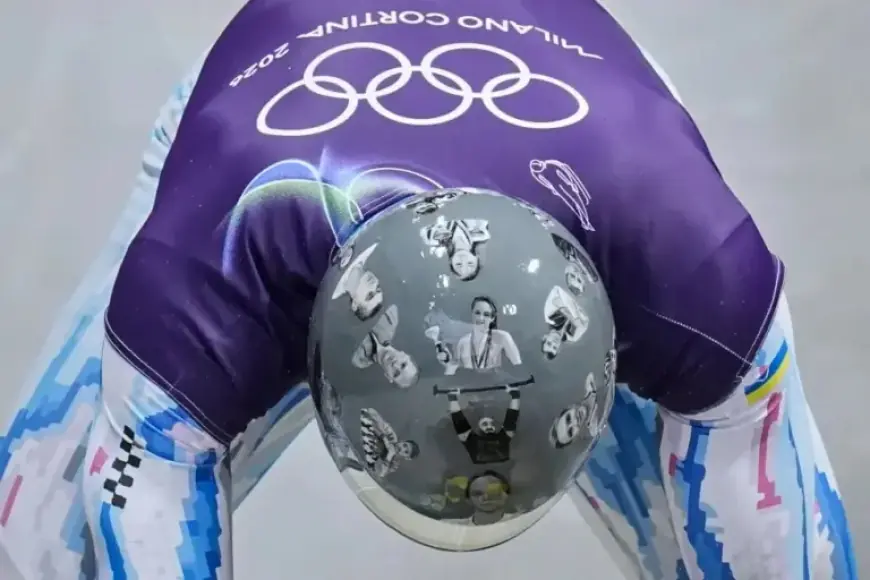
Ukrainian skeleton racer Vladyslav Heraskevych is determined to compete at the upcoming Milan Cortina Games. He wishes to wear a helmet honoring athletes killed in the ongoing war with Russia. However, the International Olympic Committee (IOC) has ruled that the helmet violates their regulations on political statements.
Background on the Controversial Helmet
The helmet features images of more than 20 Ukrainian athletes and coaches who have lost their lives since the Russian invasion in 2022. Despite the IOC’s objection, Heraskevych is committed to wearing the helmet during training. He believes that this tribute does not breach any rules.
IOC’s Stance
The IOC has offered a compromise, suggesting that Heraskevych wear a black armband instead. They argue it’s necessary to keep the Games free from any form of political interference. Rule 50 of the Olympic Charter prohibits political, religious, or racial demonstrations in Olympic venues.
Ukrainian Olympic Committee’s Response
The Ukrainian Olympic Committee asserts that the helmet complies with IOC regulations. They claim it does not display any political slogans or engage in racial discrimination. Heraskevych has made it clear that he will not use the armband.
Support from the Sporting Community
Heraskevych, who finished fourth at the previous world championships, is seen as a potential medal contender. He has garnered support from fellow athletes. Matt Weston, the reigning world champion, expressed sympathy for the situation, emphasizing the tragedy of conflict.
The Helmets’s Tribute to Fallen Athletes
- The helmet remembers 22 Ukrainian athletes, including:
- Dmytro Sharpar, a figure skater
- Pavlo Ishchenko, a boxer
- Oleksiy Loginov, a hockey player
- Many have died in combat or while aiding fellow citizens.
- The youngest victim memorialized is only nine years old.
Public Figures Weigh In
Ukrainian President Volodymyr Zelenskyy praised Heraskevych for raising awareness about the struggles faced by his country. He commended the athlete for reminding the world of the sacrifices being made.
As the competition approaches, Heraskevych remains hopeful. He has expressed confusion about why Russian flags appear in the stands while his helmet is deemed unacceptable. “I cannot understand how this helmet hurt anyone,” he remarked.
Heraskevych’s commitment to honoring his fallen compatriots reflects not only personal resolve but also a broader message about the impact of war on sports and society. The situation raises important questions about the intersection of politics and athletics at the Olympic level.
The IOC is expected to maintain a firm stance on its regulations while acknowledging the complexity of individual cases like Heraskevych’s. As the Games approach, the dialogue around political expression in sports deepens.