






















Decoding Bad Bunny’s Super Bowl Halftime: All Hidden References Revealed

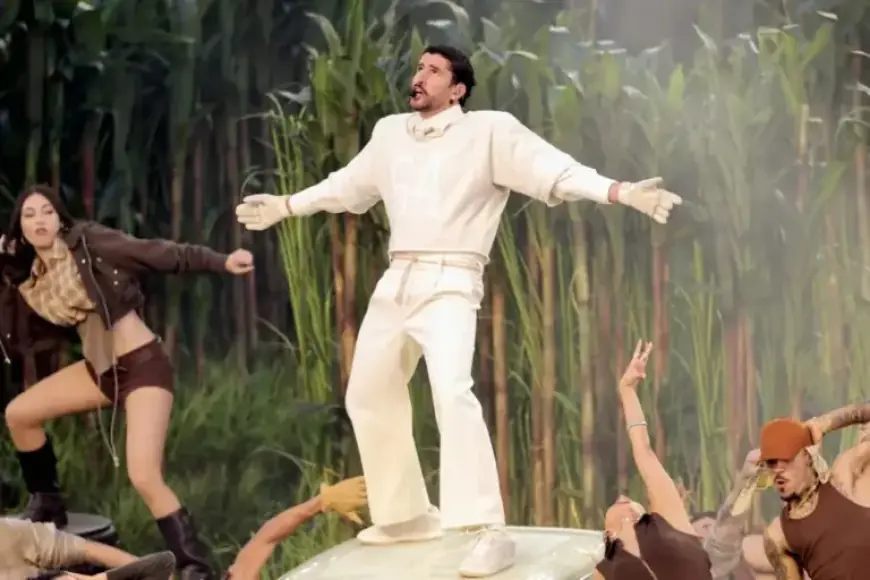
Bad Bunny’s recent Super Bowl LX halftime show on February 8, 2026, at Levi’s Stadium in Santa Clara, California, was a powerful tribute to Puerto Rican culture and broader themes relevant across the Americas. Over a span of 13 minutes, the Puerto Rican artist melded personal anecdotes with historical and cultural significance, making the performance a groundbreaking moment in the event’s history.
Symbolism and Cultural References
The performance began with an Afro-Latino guitarist proclaiming, “Qué rico es ser latino,” signaling its celebratory tone. The opening scenes depicted sugar cane fields, a clear nod to Puerto Rico’s colonial past, reflecting on the island’s agricultural history.
- Cultural Elements: Bad Bunny highlighted various integral aspects of Caribbean culture, including barber shops, dominoes, and piraguas vendors.
- Historical Context: The imagery served to underscore Puerto Rico’s struggles and resilience, emphasizing socio-economic challenges faced by the island.
Personal Connections
One of the significant personal touches came when Bad Bunny wore a jersey with the name “Ocasio” and the number 64, honoring his late uncle and their shared connection through NFL games. He expressed that the performance was dedicated to his uncle, who passed away before witnessing a Super Bowl.
Community and Heritage
The show featured a representation of traditional Puerto Rican life. It included:
- Abuelos Playing Dominoes: A traditional pastime in Puerto Rico.
- Nail Salon Scene: Representing the cultural gathering spots of Puerto Rican women.
- Construction Workers: Highlighting the role of women in rebuilding efforts post-Hurricane Maria.
Notable cameos included iconic personality Toñita from Brooklyn’s Caribbean Social Club, reinforcing the strong Nuyorican identity. As Bad Bunny transitioned between various scenes, his performance maintained a focus on cultural pride and community ties.
A Historic Wedding Moment
In a stunning and unique moment, a couple was legally married on stage during the halftime show. Initially proposed to during the set, they exchanged vows amidst the excitement of the performance, symbolizing love and unity.
Musical Highlights and Messages
Throughout the set, Bad Bunny performed his hits alongside reggaetón classics, showcasing the rich cultural influences of his genre. He made a significant statement during the performance of “El Apagón,” which critiques the ongoing challenges of Puerto Rico’s power grid and rising living costs.
Closing the show, Bad Bunny delivered a powerful message of unity, stating, “Together, We Are America,” reinforcing connections across the Americas. His statement was accompanied by the visual display of flags from various nations.
Conclusion
Bad Bunny’s Super Bowl halftime show was not merely a performance but a rich tapestry of cultural pride, personal reflection, and a call for unity. With impactful visuals and community-centric elements, he challenged traditional expectations of halftime shows, offering a memorable and significant cultural experience.