

























Immigration Courts Expedite Somali Asylum Hearings

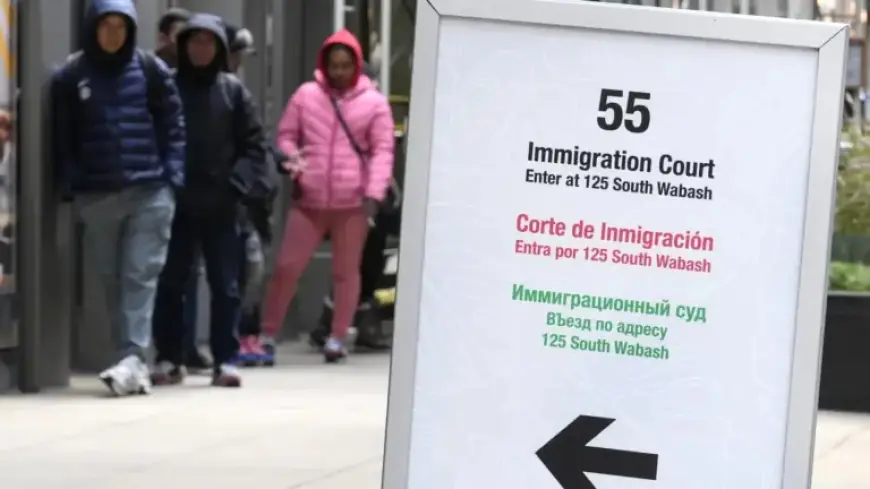
In a significant development for Somali migrants, immigration courts are expediting asylum hearings across multiple states. Recent reports indicate that dozens of cases have been rescheduled at an accelerated pace, drawing concern from legal representatives. This change predominantly affects Somali citizens who entered the U.S. between 2018 and 2024.
Rescheduling by Immigration Courts
Lawyers have observed a sudden alteration in hearing schedules for Somali asylum applicants. Notices began circulating on a Friday night, notifying attorneys in Minnesota, Illinois, and Nebraska about new dates for court proceedings. Many cases, initially set for hearings as far into the future as 2028, have now been moved up to later this month and next month. Reports suggest that over 100 cases have been impacted, although that number likely stands higher.
Concerns Over Due Process
Attorneys are alarmed by what they perceive as a coordinated effort between the Executive Office for Immigration Review (EOIR) and the Department of Homeland Security (DHS). They claim this move could lead to the expedited deportation of Somali asylum seekers without proper court hearings. This practice raises troubling questions regarding due process in immigration proceedings.
- Approximately 3,254 asylum cases from Somali immigrants are pending in immigration courts.
- Nearly half of these cases originate from Minnesota, the state with the largest Somali community in the U.S.
- The Trump administration terminated Temporary Protected Status (TPS) for Somalis, effective March 17.
The sudden rescheduling raises fears that specific nationalities are being targeted, with less favorable judges assigned to these cases. One lawyer remarked that the political climate has resulted in a uniquely unprecedented focus on Somali asylum applications.
Types of Immigration Hearings Impacted
Immigration courts generally conduct two types of hearings: master calendar and individual merits hearings. The former serves as an initial appearance where multiple individuals are processed, while the latter is dedicated to detailed discussions regarding asylum claims. Attorneys have reported that some cases set for individual hearings are now pushed to master calendar sessions, potentially undermining thorough legal representation.
Lawyer Reactions
Lawyers have expressed significant concern about the implications of this accelerated schedule. They fear that the rush could diminish their clients’ chances of successfully presenting their cases. “This feels like a setup,” stated one attorney. The sudden influx of rescheduled hearings has created scheduling conflicts, making it difficult for lawyers to prepare adequately for multiple cases at once.
Political Context and Impact
Attitudes toward Somali immigrants have soured in recent years, with notable verbal attacks from political figures, including President Trump. Such statements have prompted additional scrutiny of immigration practices focused on Somali applicants. Advocacy groups are increasingly vocal about the dangers posed by expedited hearings that may threaten the rights of vulnerable asylum seekers.
The immigration landscape continues to evolve rapidly, and the consequences of these expedited processes remain to be seen. Legal experts are calling for heightened awareness and advocacy to ensure that all asylum seekers receive fair treatment in the judicial system.