
























Derrick Callella charged after alleged hoax ransom texts in Nancy Guthrie case

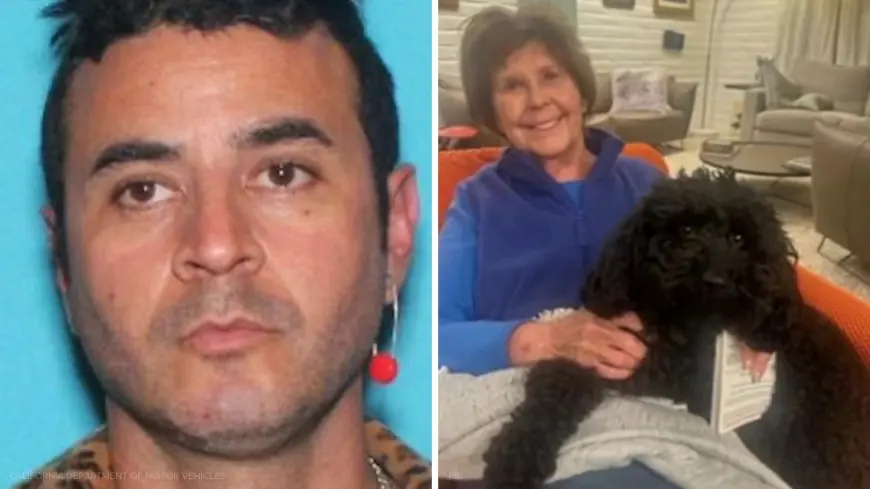
Federal authorities have charged Derrick Callella, a 42-year-old Los Angeles County resident, after investigators say he sent a fake ransom demand to the family of Nancy Guthrie—an 84-year-old woman whose disappearance has drawn national attention because she is the mother of television anchor Savannah Guthrie. The case has highlighted how quickly high-profile missing-person investigations can attract opportunists, and how aggressively law enforcement moves when communications are used to threaten, harass, or extort families in crisis.
Callella was arrested on Thursday, February 5, 2026, in Hawthorne, California, and made an initial court appearance in federal court the following day. Authorities say the messages were sent shortly after the family publicly appealed for help.
What investigators say happened
Court filings describe a sequence that began with the family’s public outreach and quickly turned into a criminal investigation into the messages themselves. Investigators allege Callella used electronic communications to pose as someone with control over Nancy Guthrie, demanding payment in cryptocurrency and sending threatening language meant to pressure relatives.
The complaint outlines how investigators traced the communications through digital records and device identifiers, leading to the arrest in Los Angeles County. Prosecutors say the goal of the messages was to extract money and inflict distress, rather than provide legitimate information about Nancy Guthrie’s location.
Charges and potential exposure
Callella faces federal charges tied to transmitting a ransom demand across state lines and using telecommunications anonymously with intent to abuse, threaten, or harass. The complaint is a charging document, not a conviction, and Callella is presumed innocent unless proven guilty in court.
Federal ransom-demand and harassment statutes can carry significant penalties, particularly when threats are directed at a victim’s family during an active missing-person case. The next steps typically include detention arguments, preliminary hearings, and decisions on whether the government seeks an indictment.
Court appearance and what comes next
At the initial appearance, the court addressed standard early-stage matters: identity, appointment of counsel if needed, the schedule for future hearings, and whether the defendant should remain in custody pending further proceedings.
In cases like this, prosecutors often focus on digital evidence—device histories, subscriber records, and message routing details—while defense teams scrutinize attribution: who controlled the phone, whether accounts were compromised, and whether the government can prove intent beyond reasonable doubt.
A key near-term milestone is the preliminary hearing (or a waiver of it) and any grand jury action that could convert a criminal complaint into an indictment.
Why hoax ransom demands are treated seriously
Even when a ransom demand is fake, the damage can be immediate. Families can be pushed into frantic decisions, investigators can be diverted from credible leads, and the public can be misled by circulating rumors or edited clips. Law enforcement agencies also worry about copycats when a case becomes widely known.
Prosecutors increasingly treat these incidents as more than “pranks,” especially when the messages contain threats, explicit demands for payment, or attempts to force secrecy. The involvement of cryptocurrency in alleged extortion attempts has also become a common pattern in modern ransom-style schemes.
Key points to know
-
Derrick Callella, 42, was arrested February 5, 2026, in Hawthorne, California.
-
Prosecutors allege he sent a bogus ransom demand tied to the disappearance of Nancy Guthrie.
-
The alleged demand involved cryptocurrency and threatening messages to family members.
-
The case is at an early stage; the complaint is not a conviction and court proceedings are ongoing.
Sources consulted: U.S. Department of Justice, ABC7 Los Angeles, FOX 11 Los Angeles, AZFamily