























Pakistan Ends India Boycott at T20 World Cup: Here’s Why

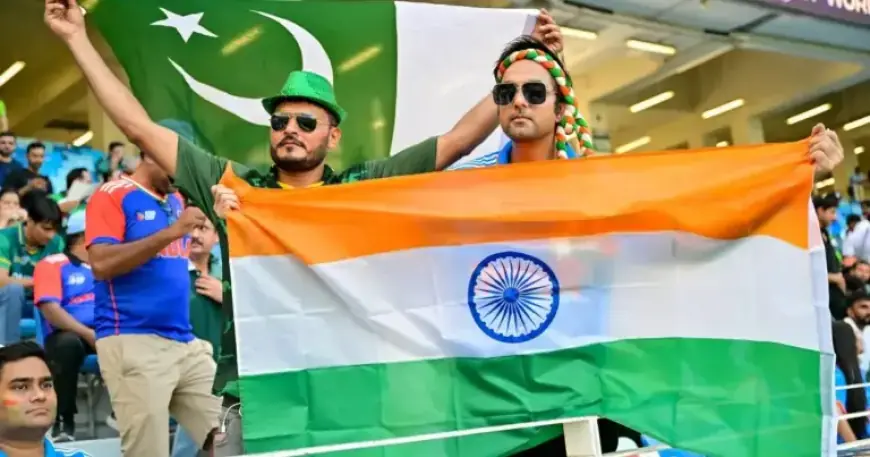
Pakistan has officially ended its boycott of the scheduled match against India at the T20 World Cup, resolving a substantial crisis in cricket. This decision follows over a week of intense negotiations and meetings involving multiple cricket governing bodies.
Background of the Crisis
The situation began on January 3, when the Board of Control for Cricket in India (BCCI) instructed the Kolkata Knight Riders to remove Bangladeshi fast bowler Mustafizur Rahman from their Indian Premier League (IPL) roster. This directive arose amidst rising political tensions between India and Bangladesh.
On January 4, the Bangladesh Cricket Board (BCB) announced its decision not to send its team to India for the T20 World Cup. Citing safety concerns, the BCB requested the International Cricket Council (ICC) to relocate its matches to co-host Sri Lanka.
ICC’s Decision on Bangladesh
The ICC engaged in negotiations with the BCB for over two weeks but ultimately expelled Bangladesh from the T20 World Cup on January 24. Scotland replaced them in the tournament, escalating tensions among cricketing nations.
Pakistan’s Initial Stance
The Pakistan Cricket Board (PCB) expressed its support for Bangladesh. PCB Chairman Mohsin Naqvi criticized the ICC’s actions, labeling them as “double standards.” Shortly thereafter, the Pakistani government declared that its cricket team would boycott the match against India, aligning with Bangladesh’s stance.
Negotiations and Resolution
The ICC responded to the boycott by warning Pakistan that such a move could harm cricket in the country. Despite this, the PCB maintained its position, leading to further discussions with ICC officials and the BCB. On February 12, the ICC described the talks as “constructive and congenial.”
Pakistan’s Decision to Compete
Amidst these negotiations, the ICC assured that Bangladesh would not face penalties for its earlier decision. Furthermore, an ICC event is set to take place in Bangladesh between 2028 and 2031. With these assurances, the Pakistani government promptly ordered its team to play against India on February 15, marking the end of the boycott.
Conclusion
- Pakistan will play against India at the T20 World Cup.
- The ICC facilitated discussions to resolve the crisis.
- Bangladesh has been guaranteed future opportunities in ICC events.
This resolution highlights the complex interplay of politics and sports, showcasing the influence of international relations on cricketing events.