






















Texas GOP Revives Focus on Islam Amidst Border Security Concerns

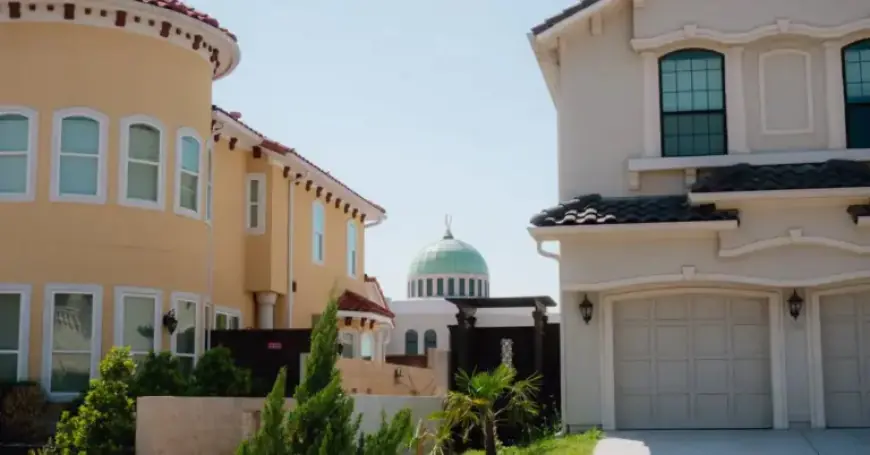
In Texas, the Republican Party has shifted its focus from border security to concerns surrounding the state’s growing Muslim population. This change in rhetoric echoes sentiments from the post-9/11 era, raising alarms within the Islamic community in Texas.
Rise of Anti-Muslim Rhetoric
Recent political developments indicate a notable rise in anti-Muslim sentiment among Texas Republicans. Governor Greg Abbott has labeled a prominent Muslim rights organization as a terrorist group. Campaign advertisements for Senator John Cornyn have emphasized his opposition to “radical Islam.”
Furthermore, a recent dinner titled “Save Texas from Radical Islam” attracted notable figures, including Steve Bannon and Glenn Beck. This event underscores the growing alignment within the party against perceived threats from Islam.
Legislative Actions Against Sharia Law
Texas lawmakers, including Lt. Gov. Dan Patrick, are currently evaluating legislation aimed at ensuring that Texas remains free of “Sharia law.” This legislative move has gained traction amid concerns over an increasing number of Islamic residents in the state.
- Abbott has proposed a total ban on any implementation of Sharia law.
- Ken Paxton, the state’s attorney general, is probing into a real estate development labeled as a “Sharia City.”
This shift comes at a time when the GOP is searching for new issues to address, reflecting diminishing concerns about border security with a Republican administration in charge.
Growing Muslim Population
According to the Pew Research Center, Muslims represent approximately 2% of Texas’s population. Nevertheless, their presence has significantly increased in suburban regions, notably around Dallas and Fort Worth. The emergence of many mosques in these areas has transformed the cultural landscape, previously dominated by megachurches.
Muslims who have settled in Texas have expressed fears due to the escalating anti-Muslim sentiment. Mujeeb Kazi, president of the North Texas Islamic Council, remarked on the surge of over 60 mosques in the area, up from just two dozen in the mid-2000s. He described the current climate as unprecedentedly hostile.
Cultural Tensions and Political Campaigns
The discourse surrounding Islam in Texas has intensified, particularly following the controversial proposal for a housing development and mosque named EPIC City. This initiative was met with opposition from some conservative activists who used it as a rallying point for their campaigns.
Brooks McKenzie, a Republican activist, highlighted that discussions about Islam remain prominent among party members. This trend reflects a broader concern regarding the influence of Islamic practices on Texan society.
Republican strategists have indicated that concerns about Islam rank among the top issues for primary voters. Many feel that discussions surrounding Sharia law resonate deeply with constituents, echoing previously dominant themes like border security.
Community Response and Future Implications
Muslim Texans have voiced distress over the current political climate. State Rep. Salman Bhojani has expressed shock at receiving hostility from elected officials. Many community leaders, including Kazi and Carroll, note that cultural outreach efforts have been undermined by rising tensions.
There is a palpable fear among Muslim residents about public safety and community relations amid this political shift. Ethnic diversity without community assimilation has been a recurrent theme, raising concerns among both Muslims and political figures about future integration and understanding.
As the political landscape evolves, the party’s newfound focus on Islam reflects deeper societal concerns and highlights the challenges that Muslim communities in Texas face. Whether these developments will foster constructive dialogue or further polarization remains to be seen.