





















Super Bowl 2026: Cultural Insights Reflecting Modern America

The Super Bowl, America’s most significant annual sporting event, is more than just a football game. The 2026 edition underscored its role in reflecting the cultural landscape of modern America. From standout performances to captivating advertisements, this event highlighted key societal themes and issues.
Bad Bunny’s Impact
This year’s cultural spotlight shined brightly on Puerto Rican artist Bad Bunny. The singer performed at Levi’s Stadium shortly after making headlines at the Grammy Awards, where he passionately spoke out against U.S. immigration policies. During the Super Bowl, Bad Bunny took a different approach.
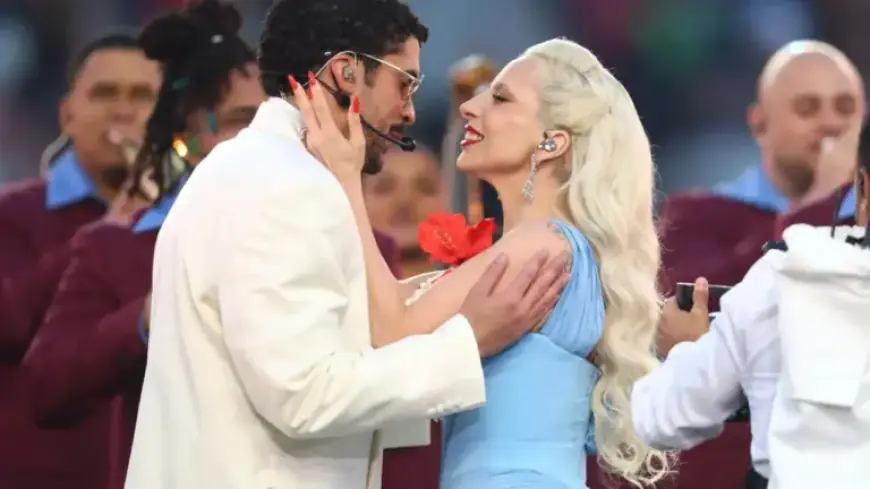
He celebrated diversity and his Caribbean roots through his performance of “El Apagon.” The song subtly criticized the struggles faced by Puerto Ricans, particularly regarding unreliable infrastructure. Bad Bunny also included Lady Gaga as a surprise guest, who performed a Latin-infused version of her hit “Die with a Smile.” This historic all-Spanish presentation resonated with the 41 million Spanish speakers in the U.S., despite controversial reactions from some political figures.
Green Day’s Political Stance
Punk rock band Green Day performed during the pre-game events, marking the Super Bowl’s 60th anniversary. Frontman Billie Joe Armstrong is known for his outspoken views, especially concerning political issues. However, the band chose to avoid heavy political commentary during their performance, a decision that drew mixed reactions from fans.
While the group performed their hit “Holiday,” they omitted politically charged lyrics from the song, leading some viewers to express disappointment. Many had anticipated a stronger political message, which would have fit the current societal climate.
The Cultural Role of Advertisements
Advertisements are a crucial part of the Super Bowl experience, with millions tuning in to see the latest commercials. In 2025, the game attracted a record 127.7 million viewers across various platforms. This year, advertisers paid an average of $8 million for a 30-second spot, with some exceeding $10 million.
Notably, the 2026 Super Bowl sparked an “AI Advertising War.” Anthropic utilized humor in its commercials, showcasing its chatbot Claude as a unique alternative in a crowded market. This approach led to social media debates, particularly between leaders in the AI industry.
AI and Cultural Reflections
OpenAI’s CEO, Sam Altman, criticized the ad for being disingenuous, prompting discussions around the impact of advertising in the technology sector. Amazon, meanwhile, joined the conversation with its own ad featuring Chris Hemsworth, which joked about AI fears. The timing of the ad raised eyebrows, given recent corporate layoffs and leadership changes within Amazon.
Conclusion
The 2026 Super Bowl exemplified how modern America engages with diverse cultural expressions. From Bad Bunny’s resonant performance to intriguing advertisements, the event reflected ongoing societal discussions. This combination of entertainment and commentary continues to shape public discourse and the cultural zeitgeist of the nation.