























Salesforce Appoints 6 New Executives Following Departure of 5 Key Leaders

Salesforce is undergoing significant leadership changes with the appointment of six new executives. This restructuring follows the departures of five key leaders, marking a notable shift within the company’s management team.
New Executive Appointments at Salesforce
The newly appointed leaders are set to oversee critical business areas, including Agentforce and Slack, both integral to Salesforce’s strategy. Here’s a breakdown of the new executives:
- Iain Mulholland: Appointed as Chief Security Officer, coming from Google where he served as Deputy Chief Information Security Officer for Google Cloud and Technical Infrastructure. He takes over from Brad Arkin, who left at the end of January.
- Patrick Stokes: Now the Chief Marketing Officer, replacing Ariel Kelman who left for AMD.
- Dave Ward: The new Chief Architect, joining Salesforce from Lumen Technologies, where he held the Chief Technology Officer position.
- Joe Inzerillo: Promoted to President of Enterprise and AI Technology, formerly Chief Digital Officer, now overseeing Slack and Agentforce.
- Rob Seaman: Promoted to Executive Vice President and General Manager for Slack.
- Madhav Thattai: Promoted to Executive Vice President and General Manager for Agentforce.
Background and Context
These executive transitions come after several high-profile departures, including:
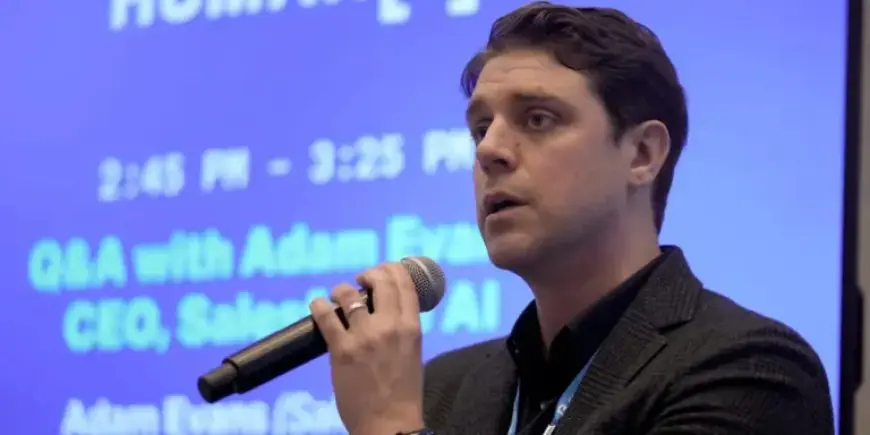
- Adam Evans, the previous head of Agentforce, who announced his exit to pursue startup opportunities.
- Ryan Aytay, CEO of Salesforce’s Tableau business, who also recently stepped down.
- Denise Dresser, who left her role as Slack CEO to join OpenAI as Chief Revenue Officer.
Company Outlook
Salesforce’s CEO, Marc Benioff, has indicated that the company may undergo further branding changes, potentially renaming itself after Agentforce—an important new AI service. The company’s new fiscal year commenced on February 1, setting the stage for these leadership changes.
A Salesforce spokesperson underscored the company’s commitment to growth, stating, “Salesforce has always been a talent engine. Our deep bench and proactive succession planning ensure that our strategy is institutionalized, not individualized.”
As Salesforce navigates these transitions, it faces challenges, particularly in the competitive landscape against AI companies, which has led to stock fluctuations.
For more updates on Salesforce and its leadership changes, visit Filmogaz.com.