

























Analyzing NASA’s Innovative Workforce Directive

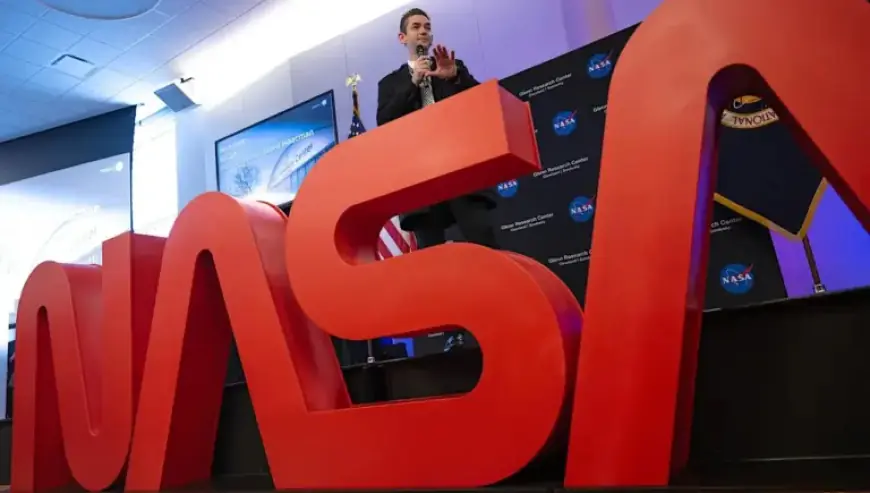
The recent Q&A session led by NASA Administrator Jared Isaacman on January 27, 2026, gathered insights on workforce dynamics at NASA’s Glenn Research Center in Cleveland, Ohio. This session is part of Isaacman’s initiative to engage directly with NASA’s workforce. The discussion focused on the directive titled “Workforce Directive: Restoring NASA’s Core Competencies.”
Background of NASA’s Workforce Directive
Navigating through challenges, NASA acknowledges a growing dependence on external vendors for core functions such as engineering and operations. While these partnerships are vital, they have led to a reduction in internal capabilities and increased overhead costs, surpassing a billion dollars annually. This trend compromises mission success and poses risks to program outcomes.
Impacts of Workforce Changes
- Loss of expertise due to layoffs and departures.
- Diminished participation from unions affecting new hires.
- External budget cuts has reduced NASA’s operational capabilities.
With the absence of a comprehensive strategic plan, NASA faces significant challenges as it moves forward. Notably, the National Space Council and NASA Advisory Council are currently inactive, limiting external input on strategic initiatives.
Core Actions of the New Directive
The directive outlines specific actions aimed at reclaiming NASA’s technical autonomy and enhancing the internal workforce:
- Workforce Assessment: Identify outsourced functions and propose converting core roles back to civil service.
- Transition Strategy: Develop plans to convert targeted roles from contractor to civil service status within 60 days.
- Talent Pipeline Enhancement: Collaborate with industry partners to foster learning and facilitate knowledge transfer.
- Training and Internship Programs: Expand internship opportunities and develop internal training initiatives to retain expertise.
Strengthening Technical Autonomy
In a bid to bolster internal capabilities, the directive emphasizes the need for autonomous operations. Future contracts will incorporate right-to-repair provisions, ensuring NASA’s access to specifications and technical documentation necessary for manufacturing and repairs. Additionally, restrictive clauses in contracts will be reviewed and potentially eliminated to facilitate internal repairs.
The Path Ahead for NASA
This directive represents NASA’s commitment to restore and retain its core competencies in an evolving space exploration landscape. By planning to address existing gaps, the agency aims to attract a new generation of talent and expertise, reinforcing its capabilities to meet future challenges.
As NASA prepares for its upcoming missions, including a return to the Moon, the focus on internal workforce development is crucial. The initiative promises to reestablish NASA’s position as a leader in the space industry while inspiring the next generation of scientists, engineers, and explorers.