

























High-Speed Rail: Route Plans, Power Demand, and Public Consultation

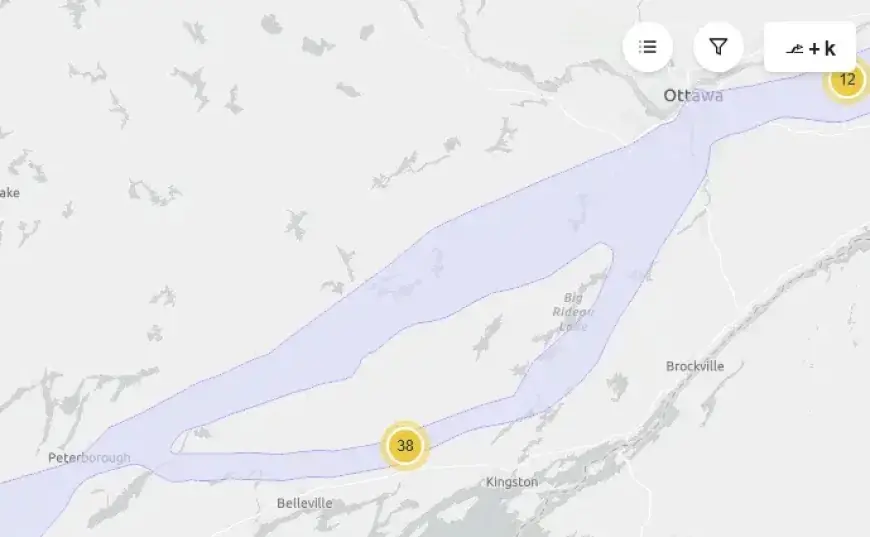
The proposed high-speed rail corridor aims to link Toronto to Quebec City, traversing the Quinte region. New routing plans indicate significant changes, including an additional southern route. This initiative promises to enhance connectivity across Ontario and Quebec.
Power Demand Projections
Experts predict that the high-speed rail will impose substantial electricity demands on the region. Ontario’s electricity consumption is estimated to increase by 75 percent by the year 2050. This surge is attributed to several factors, including:
- Growth in artificial intelligence processing sites
- Increased use of electric vehicles
- Population growth
According to Hydro One, initial discussions have begun with Alto, the Crown corporation spearheading the rail project. These talks focus on the energy needs associated with the proposed high-speed rail line.
Potential Electrical Capacity Drain
Ryan Katz-Rosene, an Associate Professor at Ottawa University, has indicated that the new rail line could potentially consume between one and three percent of the current electrical capacity in Ontario and Quebec. This highlights the importance of preparing the electrical grid for anticipated growth.
Public Consultation Meetings
Alto has initiated a public consultation process to involve the community in the project’s development. Several meetings have been scheduled across the region, providing a platform for public input. Upcoming meetings are as follows:
- South Frontenac: February 18
- Peterborough: February 26
- Perth: March 4
- Madoc: March 5
These events will offer residents insights into the project and opportunities to share their views.
Proposed Route Overview
The initial plans for the high-speed rail included a route connecting Toronto to several key cities:
- Peterborough
- Ottawa
- Montreal
- Quebec City
Recent adjustments now incorporate a route through the Quinte region, specifically the Centre Hastings/Madoc/Marmora/Tweed area, along Highway 7. Additionally, a newly proposed southern line diverges to serve Norwood, Quinte West, Tyendinaga Township, and Lennox and Addington County.
For further details regarding the upcoming meetings or to participate in the online survey, please visit Filmogaz.com.