
























Eddie Bauer Retail Operator Files for Bankruptcy

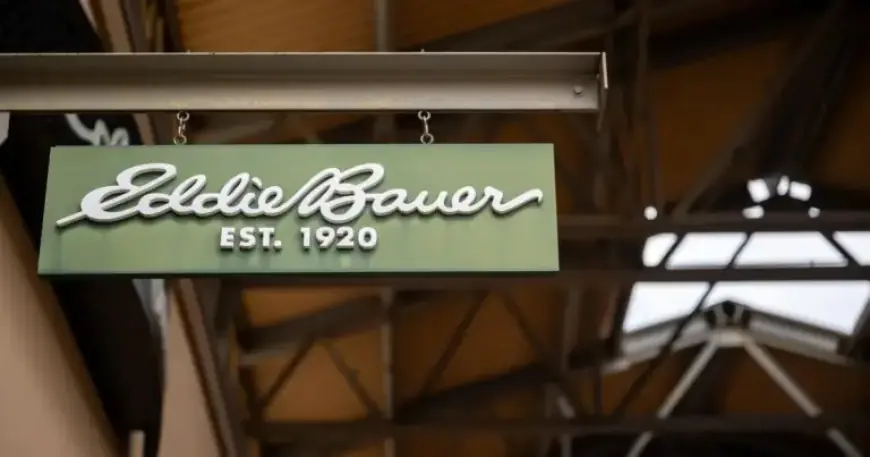
Eddie Bauer, a renowned outdoor apparel retailer, has declared bankruptcy for the third time in its history. This filing for Chapter 11 protection was announced on a Monday and marks a significant turn for the company, which has been operating for 106 years. Based in Bellevue, Washington, Eddie Bauer manages approximately 180 retail stores located throughout the U.S. and Canada.
Eddie Bauer’s Operational Status Post-Bankruptcy
Despite the bankruptcy declaration, Eddie Bauer plans to keep its retail locations open as it begins to close some stores. Notably, its e-commerce and wholesale divisions remain unaffected by the bankruptcy filing, as these segments operate independently. Additionally, stores located outside the U.S. and Canada will continue their operations without interruption.
Challenges Behind the Bankruptcy Filing
Marc Rosen, CEO of Catalyst Brands, which oversees the Eddie Bauer franchise in North America, commented on the decision to file for bankruptcy. He emphasized that this restructuring aims to safeguard the interests of the company’s stakeholders while maintaining profitability and robust cash flow. In recent years, Eddie Bauer has encountered several challenges, including:
- Declining sales
- Supply chain disruptions
- Ongoing tariff uncertainties
Rosen acknowledged the efforts made by the leadership team at Catalyst Brands. They achieved significant advancements in product development and marketing. However, these changes were not implemented in time to overcome the long-standing difficulties faced by the company.
A Legacy of Outdoor Innovation
Eddie Bauer was founded in 1920 as a fishing shop in Seattle. The brand gained fame for its outerwear and essential gear, notably supplying the military with down jackets and sleeping bags during World War I. In 1963, the company’s clothing was famously worn by Jim Whittaker, the first American to reach the summit of Mount Everest.
This bankruptcy marks a pivotal moment for the historic brand as it navigates through its financial challenges while aiming to retain its legacy in the outdoor apparel industry.