
























AI Ads Fail to Impress at This Year’s Super Bowl

This year’s Super Bowl commercials showcased a notable trend: the integration of generative AI in advertising. However, the reception was lukewarm, with many viewers unimpressed by the results.
Generative AI Ads Fail to Impress
Several brands attempted to harness generative AI to produce eye-catching commercials but fell short. While AI technology has made strides in sophistication, the output often lacked the polish and creativity typically associated with Super Bowl ads. As a result, many felt these commercials appeared cheap and unrefined.
Cost and Production Dynamics
- 30-second ad spots at this year’s Super Bowl cost between $8 million and $10 million.
- Using generative AI is cheaper and faster than traditional production methods.
- Despite lower costs, many ads did not resonate with audiences.
Case Studies of Noteworthy Ads
One disappointing example was the Artlist advertisement, which aimed to showcase the ease of producing high-quality video using their tools. However, the final product featured disjointed clips of animals paired with a voice-over, lacking a compelling narrative. This approach failed to excite viewers and reinforced negative perceptions of AI-generated content.
Similarly, the vodka brand Svedka attempted to revitalize its image using a CGI duo — Fembot and Brobot. Although the advertisement intended to convey a fun theme, Brobot malfunctioning after consuming vodka prompted concerns about the portrayal of product interaction.
Cultural Reactions and Misconceptions
The widespread usage of generative AI in Super Bowl ads sparked conversations on social media about authenticity and quality. Viewers debated whether certain commercials relied on AI technology based solely on their aesthetic. A high-profile example was the Jurassic Park-themed ad for Comcast’s Xfinity, which featured digitally de-aged actors. Observers perceived the CGI effects as reminiscent of AI-generated visuals, prompting confusion about the production processes involved.
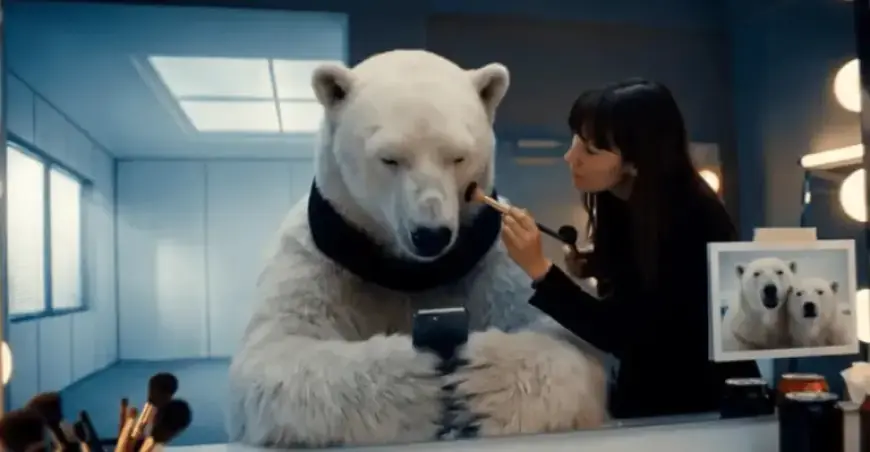
In contrast, Pepsi’s Zero Sugar ad featured a CGI polar bear and emphasized a human touch. Marketing VP Gustavo Reyna highlighted the importance of creativity and craftsmanship, indicating a clear departure from the AI reliance seen in other commercials.
Conclusion: The Future of AI in Advertising
While generative AI has the potential to change advertising, its current application at the Super Bowl raises questions about quality and consumer perception. The objective should remain creating memorable brand moments that resonate positively. Moving forward, the challenge lies in balancing technological efficiency with the storytelling that defines impactful advertising.