

























Hong Kong Activist Jimmy Lai Receives 20-Year Sentence for Security Conviction

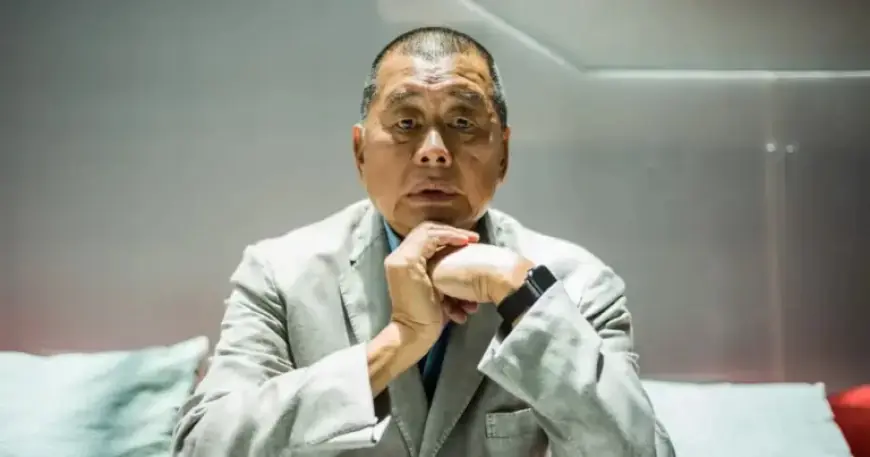
Pro-democracy activist Jimmy Lai has been sentenced to 20 years in prison following a national security trial that has garnered significant international attention. This trial has become emblematic of Beijing’s ongoing crackdown on dissent within Hong Kong.
Background on Jimmy Lai
Jimmy Lai, age 78, is a prominent media tycoon and a vocal critic of China’s ruling Communist Party. He has consistently denied all charges brought against him. His arrest occurred in 2020, shortly after the enactment of a sweeping national security law in Hong Kong, which was introduced in response to widespread protests the previous year.
Sentencing Details
Lai’s sentence includes 18 years that will run consecutively from another case. Eight co-defendants, including six journalists from his Apple Daily newspaper and two other activists, received sentences ranging from six years and three months to ten years. Notably, all except Lai had pleaded guilty to their charges and testified against him.
Responses from Human Rights Groups
- Jodie Ginsberg, Chief Executive of the Committee to Protect Journalists, stated that the decision marks a severe blow to press freedom in Hong Kong.
- Rights groups and family members have expressed grave concerns about Lai’s health, particularly due to his lengthy custody in solitary confinement.
International Reactions
The case has attracted criticism from various foreign governments. The U.S. and other nations have labeled the charges against Lai as politically motivated. Former U.S. President Donald Trump expressed his dismay over Lai’s conviction, while British Prime Minister Keir Starmer raised the issue with Chinese leader Xi Jinping during a recent meeting.
Legal Justifications and Judicial Independence
Hong Kong officials argue that the national security law is essential for restoring order following violent protests. Chief Justice Andrew Cheung defended the local judicial independence, rejecting claims of political interference in Lai’s case. The court described Lai as the “mastermind” of a conspiracy to solicit foreign sanctions against Hong Kong and mainland China.
Editorial Perspective
This sentencing highlights the diminishing space for dissent in Hong Kong. As the international community continues to push for Lai’s release, the implications for press freedom remain a significant concern. Jimmy Lai still retains the right to appeal his convictions, which include prior sentences for lesser offenses such as fraud and unlawful assembly.