

























Is This the Seahawks’ Final Super Bowl Appearance?

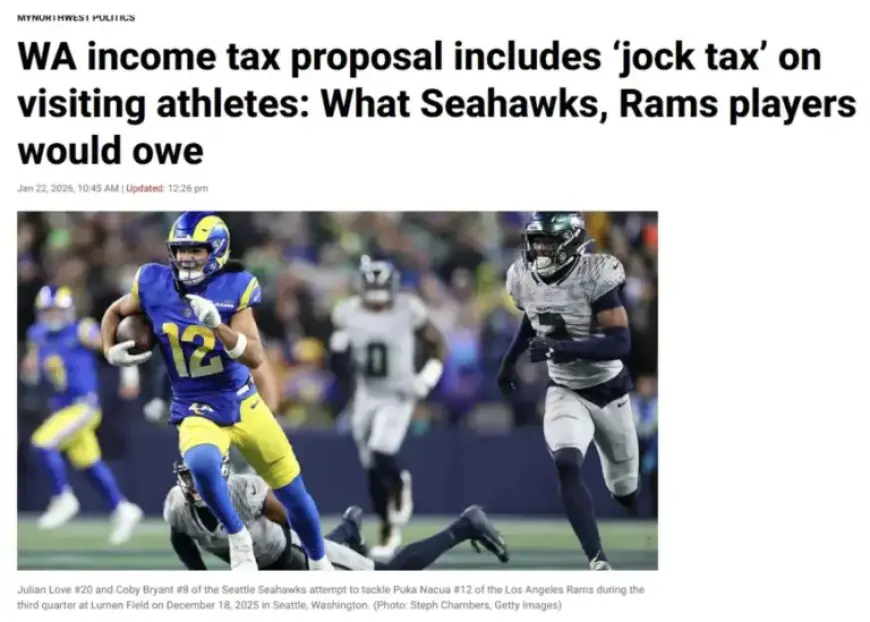
As the Seattle Seahawks prepare for what could be their last Super Bowl appearance, a significant tax proposal has emerged in Washington State. Governor Bob Ferguson, a Democrat, has introduced a controversial income tax dubbed the “jock tax.” This measure targets professional athletes, specifically those earning over $1 million.
Details of the Proposed Tax
The “jock tax” would impose a 9.9% income tax on Seahawks players and visiting team members. This tax applies for each day spent in Washington during the NFL season. Its introduction has sparked concerns about the future competitiveness of Seattle’s professional sports teams.
Impact on Seattle’s Sports Landscape
- The proposed tax could deter top-tier athletes from joining the Seahawks or other teams in the region.
- Seattle could go from having no income tax to one of the highest rates for professional athletes in the United States.
- If implemented, Washington would rank 8th in the country for taxing professional players.
This tax legislation follows a long-standing history in Washington, where voters have repeatedly rejected income tax proposals. Since 1932, the state voted against income taxes 11 times. The current move is seen as a back-door approach to income taxation, which is constitutionally prohibited in Washington State.
The Future for the Seahawks
With the potential imposition of the “jock tax,” the Seahawks face challenges in attracting elite talent necessary for future success. As they aim for the championship, the financial implications of this tax could shape the team’s roster and overall performance.
In summary, as the Seahawks gear up for their potential final Super Bowl run, the proposed “jock tax” raises significant questions about player attraction and the future of sports in Seattle. The consequences of taxation extend beyond state revenues and delve into the competitiveness of local teams.