
























LCBO staff in Cobourg credited with saving a man’s life and helping reconnect him with family after decades

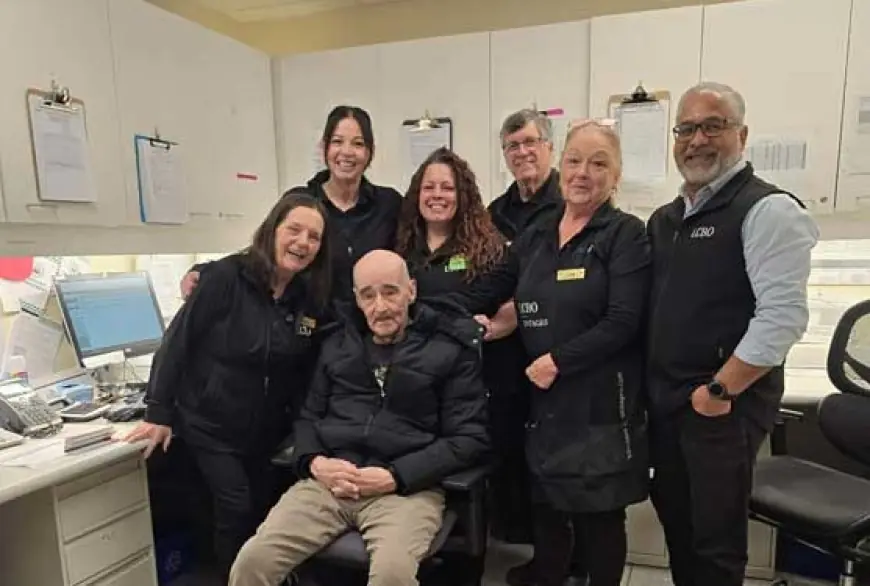
LCBO staff at a store in Cobourg, Ontario are being credited with helping save a man’s life and set in motion a reunion with family he had not seen in nearly 30 years, after they recognized he was in distress during a stretch of severe winter conditions. The episode, described by people involved as a mix of quick thinking and sustained follow-through, has sparked local attention around what frontline retail workers often encounter and how community responses can change outcomes.
The man had been living in a van through frigid weather, and the intervention began when staff noticed warning signs that suggested he needed help urgently. What followed, as recounted in local coverage, was not a single dramatic moment but a chain of actions that included calling for medical assistance, keeping him safe in the immediate term, and helping coordinate longer-term supports.
A routine day turns into an emergency response
Store staff reportedly realized something was wrong and acted quickly to get the man assistance. In situations like these, minutes can matter, particularly in winter when exposure, dehydration, and medical complications can escalate fast.
While the exact medical details have not been publicly laid out in full, the central point from the account is clear: staff did not treat the situation as someone else’s problem. They escalated it, stayed engaged, and helped ensure the man was not left to navigate a crisis alone.
For many retailers, emergency training focuses on theft prevention, store safety, and basic incident response. But real life can throw up different challenges, including mental health crises, homelessness-related emergencies, and acute medical events. Employees on the shop floor can become first responders by default, even if that is not how their job is typically understood.
From immediate help to long-term support
What has resonated locally is that the staff involvement did not end after the emergency phase. The account describes a broader effort that ultimately helped connect the man with family in New Brunswick and support his move back to the region.
Reuniting someone with family after decades often requires more than a phone call. It can involve piecing together names, contacts, and history, and then finding a safe pathway from crisis to stability. Community members also played a role, highlighting how outcomes improve when individual intervention is matched with a local network that can provide resources and continuity.
The story has also reopened a familiar conversation in Ontario communities: how quickly people can fall into precarious housing in the absence of stable income, support systems, or accessible healthcare. For those living in vehicles, winter can transform an already difficult situation into a life-threatening one.
What it says about frontline work in public-facing retail
LCBO staff are best known to customers as retail workers helping with purchases, product questions, and checkout lines. But the environment is public-facing, steady foot traffic is constant, and stores often become informal touchpoints for people who are isolated or struggling.
That reality can place emotional and practical burdens on employees. Being the person who notices, decides, and acts can be stressful, especially when the stakes are high and the person in distress is a stranger. Many workplaces have been expanding training around de-escalation, mental health awareness, and when to call emergency services, but implementation can vary widely.
Stories like this one tend to prompt questions about what supports staff receive after an incident. Even when the outcome is positive, the experience can be intense. Follow-up resources, peer support, and clear protocols help employees process what happened and prepare for future events.
Community response and the ripple effect
The Cobourg episode has been framed locally as a reminder that community care is not limited to formal organizations. Sometimes it begins with a few people making a decision to pay attention and act.
It also highlights an often-overlooked dynamic: public places can serve as early warning systems. When someone is living rough or living in a vehicle, they may still appear regularly in certain locations for warmth, supplies, or familiar contact. Staff who interact with the public daily can spot changes in behavior or condition that others might miss.
In the days ahead, the most meaningful follow-through may be less about celebration and more about practical lessons: how communities can strengthen pathways from emergency response to stable housing, and how workplaces can equip staff for the real situations they face. For now, the story stands as a rare piece of good news in a season when winter emergencies too often end differently.