





















Kid Rock Halftime Show Buzz Collides With Rock the Country Festival Controversy as 2026 Dates Shift and a South Carolina Stop Gets Canceled

Kid Rock is riding a Super Bowl Sunday spotlight while simultaneously facing turbulence around his Rock the Country festival brand, after a scheduled 2026 festival stop in Anderson, South Carolina was canceled following a wave of artist departures. The two storylines are feeding each other in real time: online searches for “Kid Rock halftime show cancelled” are spiking alongside questions about whether Rock the Country 2026 is still happening, which dates are changing, and why acts like Shinedown and Creed are being mentioned in the fallout.
Here is what is clear right now, and what is still developing.
What happened with Rock the Country festival 2026 and the cancellation
A Rock the Country festival stop planned for Anderson, South Carolina later this year has been canceled after multiple performers dropped off the lineup in recent days. Organizers notified local officials of the cancellation without a detailed public explanation, but the sequence has been consistent: lineup changes accelerated, headliners and notable acts stepped away, and the date was ultimately pulled.
Two names at the center of the conversation are:
-
Shinedown, which publicly framed its exit around not wanting to deepen division among fans.
-
Creed, which had appeared on festival promotional material and then was no longer listed around the same time the Anderson stop unraveled.
The practical impact is immediate. Local planning, venue staffing, and surrounding businesses that typically bank on a large summer concert weekend are left with a hole in the calendar, and fans are left wondering whether other Rock the Country 2026 stops will be affected or reshuffled.
Kid Rock halftime show: canceled or not?
Searches for “Kid Rock halftime show cancelled” appear to be driven by confusion between two different things:
-
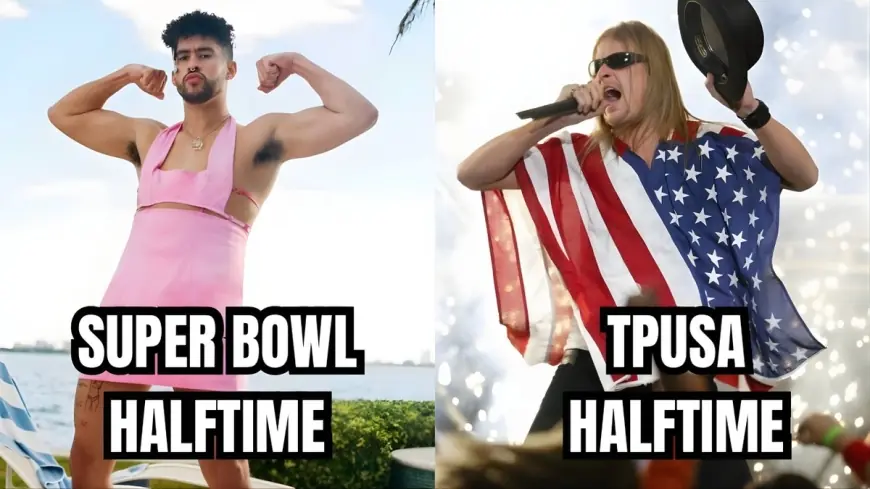
The official Super Bowl halftime show, which is part of the televised game broadcast.
-
A separate, politically branded alternative halftime program promoted outside the game broadcast.
At the moment, there is no confirmed cancellation of Kid Rock’s alternative halftime appearance that is broadly verifiable from public announcements. What is happening is a swirl of last-minute rumor, clip-driven controversy, and schedule confusion that often hits anything timed to Super Bowl Sunday. If you’re trying to plan viewing, treat cancellation chatter as unconfirmed unless the organizer or venue issues a direct notice.
Why Shinedown, Creed, and “Rock the Country festival controversy” are all tied together
Rock the Country has always carried more than a music-festival identity. It’s been marketed with a strong “country plus rock plus patriot branding” vibe, and that framing has made it catnip for cultural conflict: supporters view it as an unapologetic counterprogramming lane, while critics view it as a politicized entertainment product.
That matters because it changes the risk math for artists:
-
Shinedown has a mainstream arena audience that spans demographics. Any perception that a show is a political statement can become a brand liability, especially when fans expect the band to be an escape valve, not a wedge.
-
Creed is a nostalgia magnet with a broad tent of casual listeners. Getting pulled into a political fight, even by association, can threaten that wide appeal.
Once a couple of prominent acts step back, a festival can tip quickly. Talent agents get cautious, sponsors and partners reassess reputational exposure, and the story becomes about the controversy rather than the music. That cycle can be hard to reverse in time for a summer date.
Behind the headline: incentives, stakeholders, and what’s missing
Incentives: For Kid Rock, Rock the Country is more than a setlist. It’s a platform: a touring identity, a business line, and a cultural flag. For the artists, the incentive is simpler: sell tickets to as many people as possible without paying a long-term brand cost. When those incentives diverge, exits become more likely.
Stakeholders: Fans lose convenience and certainty when dates change. Local host communities lose tourism spend. Promoters lose leverage if headliners wobble. And the artists who remain on a bill can inherit attention they didn’t ask for, including angry comments and boycott threats from both sides.
Missing pieces: The big unknown is whether the Anderson cancellation is an isolated break or a symptom. The next key information points are: updated lineups, any refunds and ticketing guidance, and whether other stops adjust their rosters in response.
What happens next: realistic scenarios for Rock the Country 2026
Here are the most plausible next steps, with clear triggers:
-
A single-date reset
Trigger: organizers confirm the cancellation is limited to Anderson and publish stable lineups for other cities. -
Partial reshuffle across the tour
Trigger: more acts quietly disappear from promotional materials, replaced by regional or last-minute bookings. -
A reputational pivot
Trigger: festival messaging shifts to emphasize “music-first” branding, downplaying politics to reduce artist hesitation. -
More cancellations
Trigger: additional headliners withdraw, forcing promoters to decide between rebooking at high cost or pulling dates.
Why it matters
The Kid Rock, Shinedown, Creed triangle isn’t just celebrity drama. It’s a case study in how modern touring works: music, identity, and internet narratives can move faster than contracts and production schedules. When a festival becomes a symbol, the business becomes more fragile. And in 2026, that fragility shows up first where it hurts most: the lineup, the ticket buyer’s trust, and the calendar itself.