
























Lucy Letby doc criticism grows over “digitally anonymized” witnesses, dividing true-crime viewers (Updated)

The latest streaming documentary on Lucy Letby has triggered a wave of criticism not for new evidence or courtroom revelations, but for how it hides identities: “digitally anonymized” witness interviews that use lifelike synthetic faces and altered voices. Viewers say the effect is creepy, distracting, and emotionally mismatched to testimony from people discussing infant deaths. Others argue it’s a reasonable compromise that protects privacy while preserving the cadence and feeling of a real interview.
The debate has intensified in the days after the documentary’s February 4, 2026 release, becoming one of the most talked-about elements of the film—and a flashpoint in a broader argument about how true-crime storytelling should use emerging tools.
What the “digitally anonymized” technique is
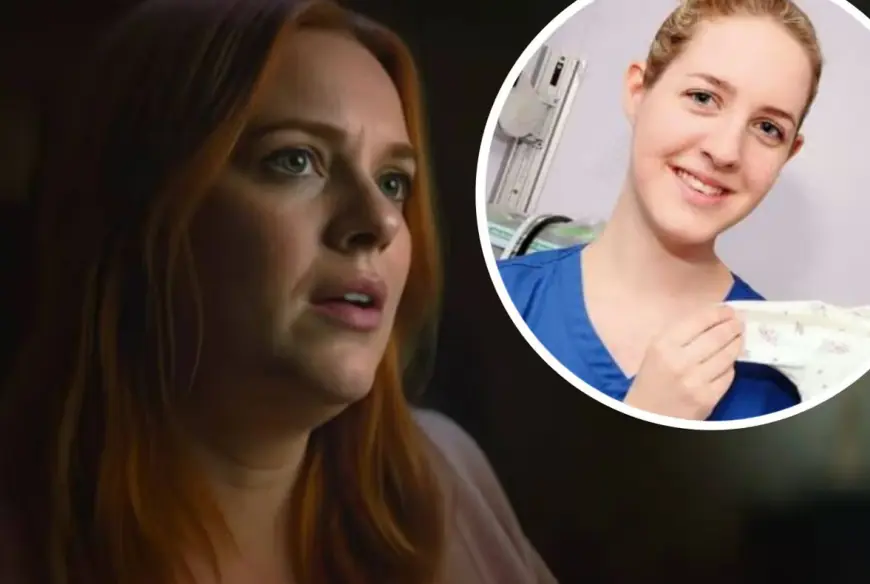
Instead of the standard anonymity playbook—blurred faces, shadows, off-camera interviews, or actors reading statements—the documentary overlays a highly realistic digital face on top of interview footage. The speakers’ voices also appear modified.
The result is a paradox: the interview feels visually intimate and face-to-face, but the face itself is not the person’s. Viewers describe an uncanny-valley quality in small movements—blinks, smiles, the way lips shape words—that draws attention to the masking rather than the testimony.
Why some viewers find it unsettling
The strongest criticism is less about technology and more about emotional tone. In grief-heavy scenes, the synthetic overlay can make the moment feel mediated—like a filter sitting between the audience and the speaker’s pain. That can weaken trust, even when the underlying words are authentic.
Common complaints focus on three themes:
-
Distraction: audiences fixate on the effect instead of listening.
-
Dehumanization: a digital face can feel at odds with a story rooted in real loss.
-
Credibility drift: once visuals are manipulated, some viewers start questioning what else might be shaped for impact.
That last point matters in a case that is already polarizing, with ongoing public debate about the investigation and trial.
The case context makes the stakes higher
Letby, a former neonatal nurse, was convicted in 2023 of murdering seven babies and attempting to murder others at a hospital in northwest England between 2015 and 2016. She received multiple whole-life sentences and remains imprisoned.
The documentary’s narrative also intersects with a second controversy: renewed arguments from some medical and legal voices that the conviction deserves closer scrutiny. In that environment, presentation choices are not neutral. For skeptical viewers, an “uncanny” anonymity effect can feel like it muddies the waters rather than clarifying them.
Why others defend the choice
Supporters of the technique see it as a privacy-first decision in an exceptionally sensitive case. In interviews with bereaved families and personal acquaintances, anonymity isn’t cosmetic—it can be a matter of safety, harassment risk, and lifelong exposure.
A digital overlay can also preserve something that heavy blurring destroys: facial expression, pauses, and the emotional shape of speech. For audiences who accept the tool, the benefit is simple: the speaker’s humanity still comes through without handing the internet a face to identify.
Updated: backlash widens beyond the AI masking
Since release day, the criticism has expanded from “this looks weird” to “what is the ethical boundary here?” Two related threads have gained momentum:
First, some viewers now link the digital masking decision to a wider discomfort with using highly produced techniques in true-crime storytelling—especially when the subject is real victims and real families.
Second, the documentary has faced separate complaints about privacy intrusions tied to police footage and home scenes involving Letby’s family. That issue has fueled arguments that the film’s appetite for intimacy is inconsistent: extreme closeness in some moments, heavy concealment in others.
Together, those threads have shifted the conversation from a single stylistic choice into a broader critique of how much realism is appropriate—and who bears the cost when “real” becomes a selling point.
What this means for true-crime going forward
The core tension isn’t likely to fade: audiences want authenticity, but real people have real reasons to stay anonymous. The “digitally anonymized” approach tries to satisfy both, and the backlash suggests the balance may not be stable.
If this technique spreads, expect pressure for clearer guardrails: prominent disclosure, limited use, and stronger justification for why traditional options weren’t enough. In the near term, the controversy is already doing something concrete—teaching viewers to look for the seams in documentary craft, even in projects marketed as factual.
Key takeaways
-
The masking method aims to protect identities while keeping interviews visually intimate.
-
Critics say the synthetic faces undermine empathy and trust in a high-trauma story.
-
The debate is becoming a proxy fight over ethics in modern true-crime production.
Sources consulted: Netflix, ITN Productions, TIME, The Guardian