























Psychedelic Confessor’s New Book Explores Consciousness and Hallucinogens

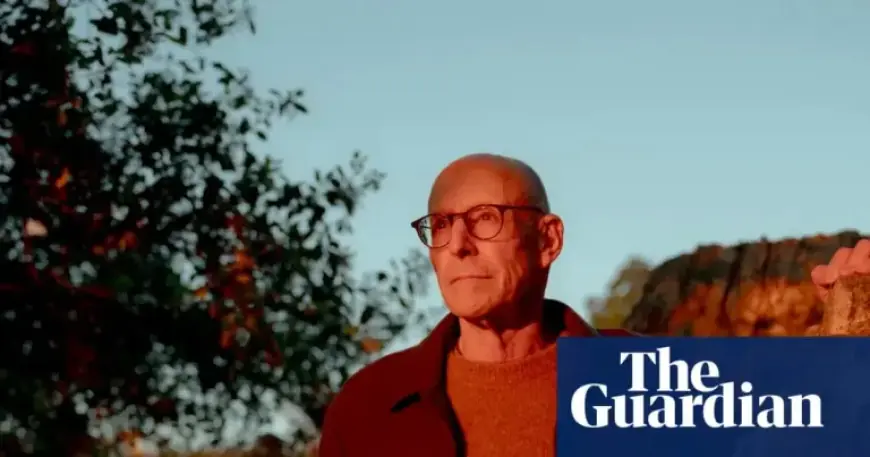
Michael Pollan, an acclaimed author and journalist, has explored intricate themes surrounding consciousness and hallucinogens in his new book, *A World Appears*. This work draws upon Pollan’s previous explorations of plant life and the impact of psychedelics on human consciousness.
Psychedelic Confessor’s Insights on Consciousness
In *A World Appears*, Pollan delves into the nature of consciousness, questioning who possesses it and why. The book reflects on a pivotal psilocybin experience in Pollan’s garden, where he felt a strong connection with the surrounding plants. This experience ignited his desire to probe deeper into consciousness.
The Journey Begins
Pollan’s interest in consciousness was shaped by various scientific inquiries and philosophical debates. He articulates the challenges and complexities of understanding consciousness, notably addressing the “hard problem” of how biological entities generate awareness. This conundrum has perplexed scientists and philosophers alike for centuries.
Understanding Consciousness
Pollan organizes his exploration of consciousness into four categories: sentience, feeling, thought, and self. He notes that sentience allows organisms, including plants, to respond to their environment, while feeling connects to bodily responses induced by various stimuli.
- Sentience: Recognizing and responding to the environment.
- Feeling: Emotional responses tied to bodily sensations.
- Thought: The complex interplay of cognitive processes.
- Self: The subjective experience of being an individual.
Pollan emphasizes that while plants exhibit sentience, they lack the capacity for feelings as humans understand them since they do not have a nervous system to experience emotions.
A Complex Relationship with Machines
As technology advances, Pollan warns against anthropomorphizing machines. He points out potential dangers in attributing consciousness to artificial intelligence. The emergence of chatbots that simulate human-like interactions further complicates our understanding of consciousness.
Pollan argues that real consciousness requires an organic body able to experience feelings. He cautions against mistaking sophisticated simulations for true sentience, stressing the importance of recognizing the distinction to prevent emotional attachments that could misguide societal values.
The Future of Consciousness Exploration
Psychedelics, Pollan argues, have reignited interest in exploring consciousness more deeply. Numerous individuals have begun to re-evaluate their experiences with these substances and contemplate their implications on personal and collective awareness.
Personal Reflections and Future Work
In closing, Pollan reflects on the knowledge gained through his latest project. He seeks to inspire readers to appreciate the profundity of consciousness, aiming to promote discussions about its significance in modern society. His future work includes an expected Audible original focused on the microbiome, slated for release in 2027.
For further insights and exploration into consciousness and the role of hallucinogens, readers are encouraged to check out *A World Appears* by Michael Pollan, available at various booksellers including Filmogaz.com.