

























Challenges Mount for Europe’s Chemical Industry

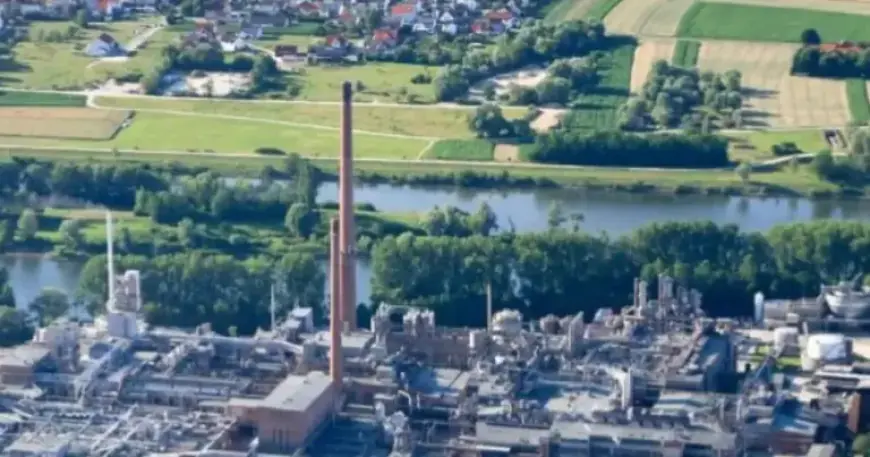
Challenges are mounting for Europe’s chemical industry as it grapples with significant operational strains. Marco Mensink, Director General of CEFIC, emphasized the urgency of the situation, stating that the sector is “under severe stress and breaking.” The rate of plant closures has surged, with annual investments now dropping dramatically.
Growing Concerns in the Chemical Sector
CEFIC has indicated that closures in the European chemical industry are escalating rapidly. The organization is implementing a systematic tracker to monitor chemical plant closures and investments as a key performance indicator for European competitiveness.
Capacity Closure Statistics
- From 2022 to 2025, announced closures have soared from 2.9 million tons to 17.2 million tons annually.
- A total of 37 million tons of closure announcements represent about 9% of Europe’s chemical production capacity.
- Key sectors affected include:
- Upstream petrochemicals: 17.8 million tons (48%)
- Basic inorganics: 11.7 million tons (32%)
- Polymers: 5.4 million tons (15%)
- Specialty chemicals: 2 million tons (5%)
Regional Impacts and Job Losses
Closure announcements are not uniform across Europe. Significant shares are noted in the following countries:
| Country | Closure Volume (Million Tons) | Percentage of Total |
|---|---|---|
| Germany | 8.8 | 25% |
| The Netherlands | 7.2 | 20% |
| United Kingdom | 4.5 | 12% |
| France | 3.9 | 10% |
| Italy | 2.5 | 7% |
| Belgium | 2.3 | 6% |
| Spain | 1.6 | 4% |
| Rest of Europe | 6.0 | 16% |
Approximately 20,000 jobs are at risk due to these closures. The primary reasons cited for these actions include energy cost competitiveness (49%), demand-related issues (19%), overcapacity (9%), and regulatory factors (8%).
Future Outlook
As the European chemical industry faces these substantial challenges, decisive action is essential. The need for effective strategies and policies has never been more critical to sustain European competitiveness in the global market.