





















Savannah Guthrie mom case: Family pleads for Nancy Guthrie’s return

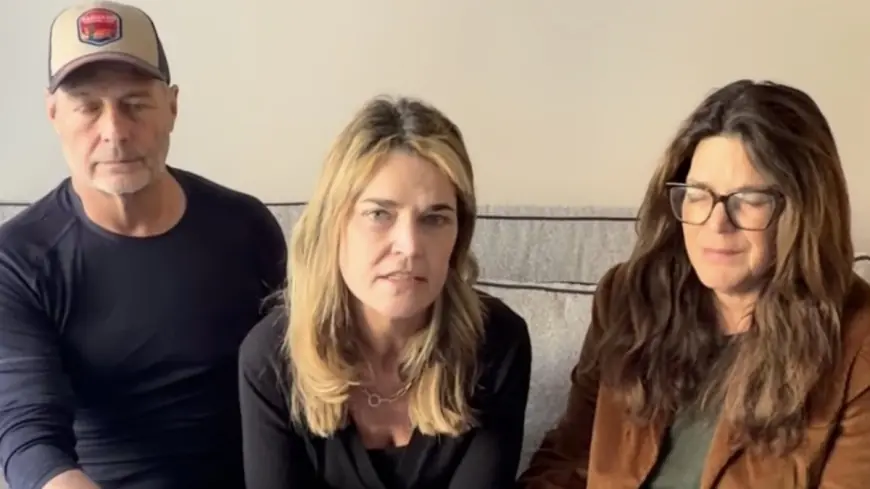
A public plea from Savannah Guthrie and her siblings has pushed new urgency into the search for her mother, Nancy Guthrie, after investigators said evidence at the Arizona home points to an abduction. The case has drawn national attention as authorities weigh ransom communications, forensic findings, and a tightening timeline of what happened overnight.
Savannah Guthrie mom: What’s known so far
Nancy Guthrie, 84, vanished from her home in the Tucson area after a family evening on Saturday, January 31, 2026. Relatives later reported her missing on Sunday, February 1, 2026, after she did not appear for a regular morning commitment and could not be reached.
Investigators have treated the residence as a crime scene. Publicly discussed evidence includes blood at the home that authorities said was confirmed to be hers, along with suspicious disruptions to home security equipment during the overnight window when she is believed to have been taken. Officials have described Nancy as having limited mobility and medical needs, adding urgency to efforts to locate her.
On February 8, 2026, the family released a somber recorded message addressing the person holding her, urging her safe return and indicating a willingness to pay. Authorities said they are evaluating messages tied to the case while continuing to seek tips from the public.
Timeline and the overnight window
The investigation has focused on the hours after Nancy returned home from a family dinner. Officials have described a sequence in which home monitoring systems stopped transmitting and other data points suggested movement around the property without clear video available.
Investigators have also referenced additional leads, including review of neighborhood video and reports of a vehicle of interest. Search work in the surrounding terrain has been described as challenging, with teams balancing broad ground searches against the need to preserve potential evidence and follow digital leads.
Because the case involves both forensic and communications components, authorities have emphasized that tips about sightings, vehicles, unusual activity, or recent contacts can be as important as physical searches.
Ransom messages, misinformation, and what authorities are checking
A central question has been whether ransom demands are genuine and, if so, how they were delivered. Authorities have acknowledged receiving communications that they are assessing, while also warning that high-profile cases can attract hoaxes and opportunists.
Investigators have already indicated that at least one message circulating around the case was not authentic, and an arrest linked to a fraudulent communication has been publicly discussed. Even with that development, officials have signaled they are still examining other messages and data, including phone records and any available surveillance.
For families, public appeals can be a painful choice. In cases like this, they can also serve a practical purpose: to prompt the person holding the victim to make contact in a way that law enforcement can trace, or to generate new public tips that narrow the search.
The role of federal and local agencies
Multiple agencies are involved, including federal investigators and local authorities. The public-facing strategy has combined targeted requests for information with a reward offer for tips that lead to Nancy’s recovery or the identification of those responsible.
As of February 8, 2026 (ET), officials have not publicly named a suspect and have not provided a confirmed motive. They have also not publicly confirmed whether the case is connected in any way to Savannah Guthrie’s public profile.
Key takeaways and what comes next
-
Investigators have described the disappearance as an abduction, citing evidence at the home.
-
The timeline centers on late January 31 into early February 1, 2026, when security systems were disrupted.
-
Authorities are evaluating communications linked to the case while also addressing hoaxes.
-
Search activity and data analysis are moving in parallel, with tips still a critical component.
Next steps are likely to hinge on three measurable developments: whether investigators can validate any communication channel tied to the abductor, whether surveillance or phone data produces a clear route or vehicle identification, and whether forensic work at the home yields additional actionable evidence. If credible contact continues, authorities may shift more resources to technical tracing and controlled communication strategies; if not, the investigation may lean harder on public tips and targeted canvassing in specific corridors suggested by the evidence.
Sources consulted: Reuters, The Washington Post, Business Insider, People