San Diego Railroad Agrees to Control ‘Nurdle’ Pollution

BNSF Railway, in partnership with the Coastal Environmental Rights Foundation, San Diego Coastkeeper, and North County Transit District, has reached a settlement regarding allegations of plastic pellet spillage. These small plastic pellets, known as nurdles, are essential in manufacturing various products ranging from packaging to clothing. The agreement aims to enhance the safety standards related to transporting these materials.
Understanding Nurdle Pollution
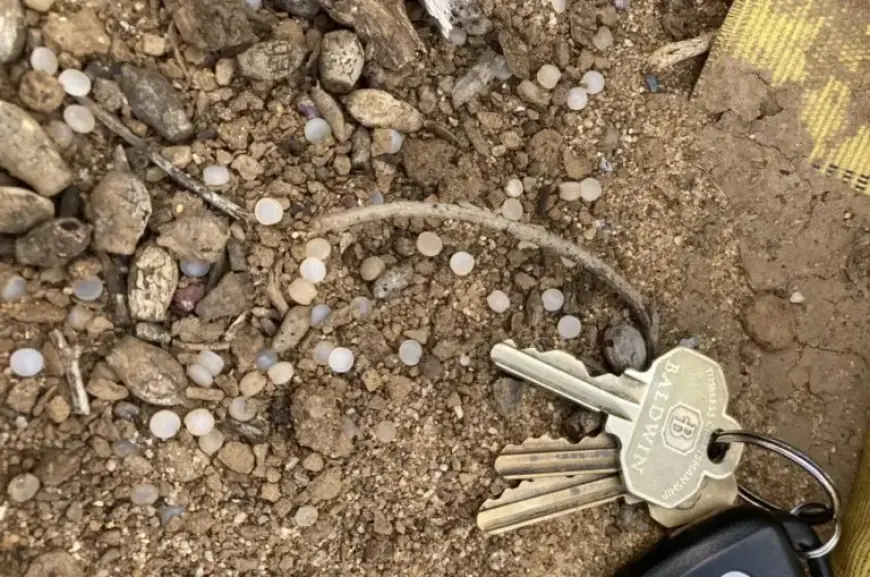
Nurdles, about the size of a lentil, are a primary form of plastic resin. They are mass-produced and distributed to manufacturers via trucks, containers, and rail cars. Unfortunately, spills during transit can lead to significant environmental issues.
Background of the Settlement
In February 2024, the Coastal Environmental Rights Foundation and San Diego Coastkeeper filed legal action against BNSF and NCTD. The lawsuit claimed that thousands, potentially hundreds of thousands, of nurdles were discovered along railway tracks near the lagoons and waterways of North County. These pellets, once spilled, can easily enter aquatic ecosystems, contributing to the global plastic pollution crisis.
New Safety Protocols
The recent settlement brings forward updated protocols for BNSF to prevent any future spillage during transportation. According to the announcement, these measures include:
- Implementation of stringent sealing requirements for rail cars transporting nurdles.
- Rejection of non-compliant rail cars and imposition of escalating fees for non-adherence.
- Nationwide rollout of these enhanced protocols across BNSF operations.
Commitment to Environmental Protection
The resolution also includes a commitment from BNSF to contribute funds for local initiatives aimed at mitigating plastic pollution in San Diego County. Patrick McDonough, a senior attorney with Coastkeeper, described the settlement as a crucial victory for the oceans, highlighting the alarming rate of nurdles entering marine environments—estimated at 25-30 billion daily.
This agreement marks a pivotal step in addressing nurdle pollution. Through collaborative efforts, BNSF and its partners are set to take leading roles in tackling this pressing environmental issue.