Danes Reject Trump’s Greenland Remarks, Embrace Technology for Non-American Purchases

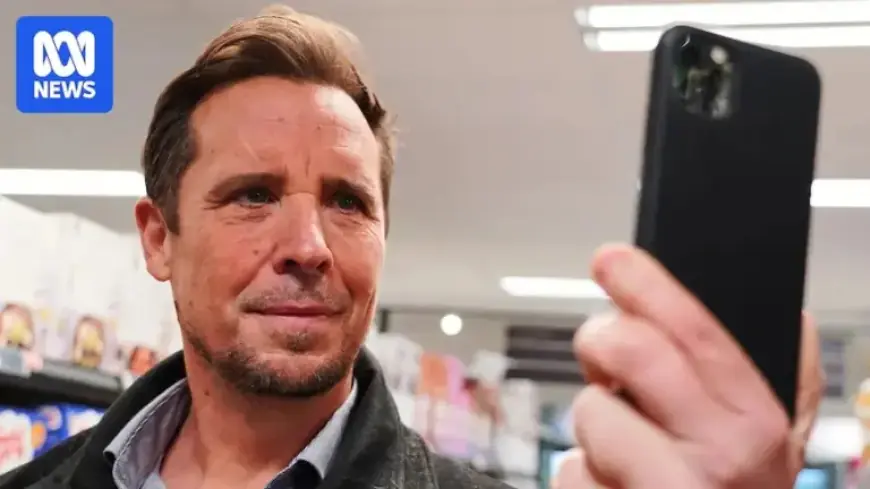
In the wake of U.S. President Donald Trump’s contentious remarks about acquiring Greenland, a territory of Denmark, there has been a significant surge in interest toward mobile applications that facilitate consumer boycotts of American products. This movement gained momentum in Denmark as citizens protested Trump’s attempts to claim the strategically valuable Arctic island, prompting app developers to respond with initiatives for conscious consumerism.
Surge in App Usage Following Political Tensions
The “Made O’Meter” app, developed by Ian Rosenfeldt, experienced a rapid rise in downloads during late January, reaching approximately 30,000 installs within just three days. This increase followed a series of inflammatory comments from Trump regarding Greenland’s status. Since its debut in March, the app has garnered over 100,000 downloads.
- The Made O’Meter uses artificial intelligence to analyze products, identifying their origins and suggesting European alternatives.
- Users can customize preferences such as avoiding American-owned brands.
- The app boasts over 95% accuracy in product identification.
Public Response to Greenland Controversy
In mid-January, thousands of demonstrators in Denmark chanted “Greenland is not for sale” while taking to the streets in protest. These events were closely aligned with Trump’s aggressive rhetoric about US acquisition of the territory. The protests signified a broader sentiment among Danes who were eager to express their disapproval of American intervention.
| Timeline of Events | Key Metrics |
|---|---|
| Late January | 30,000 downloads of Made O’Meter within three days |
| January 23 | Almost 40,000 product scans in one day |
| Post-January | Daily scans around 5,000 |
Broader Implications on Consumer Behavior
While apps like Made O’Meter and another boycott app, “NonUSA,” which surpassed 100,000 downloads, have gained traction, experts debate their overall effectiveness. Christina Gravert, an associate professor of economics at the University of Copenhagen, pointed out that U.S. products constitute only 1 to 3 percent of items found in Danish grocery stores. Common American goods include nuts, wines, and confectionery.
Moreover, the prevalence of American technology in Denmark, such as smartphones and software, complicates the boycott efforts. Gravert emphasizes that true impact requires organized campaigns and engagement from consumers and corporations alike, rather than individual actions.
The Future of Boycott Movements
Rosenfeldt acknowledges that current boycotts may not significantly affect the U.S. economy, but he hopes they will encourage reliance on European producers and compel supermarkets to reconsider their inventory. Consumers seem to have found a measure of empowerment through these apps, showcasing a desire for both social and economic change.
In summary, the reaction to Trump’s Greenland comments has not only reignited conversations about national identity but also sparked innovative grassroots technology designed to shift purchasing behavior toward a European-centric market. Filmogaz.com will continue to monitor the impact of these movements and their implications for transatlantic relations.