
























Curved Screens’ Comeback: Why We’re Ready for Their Return

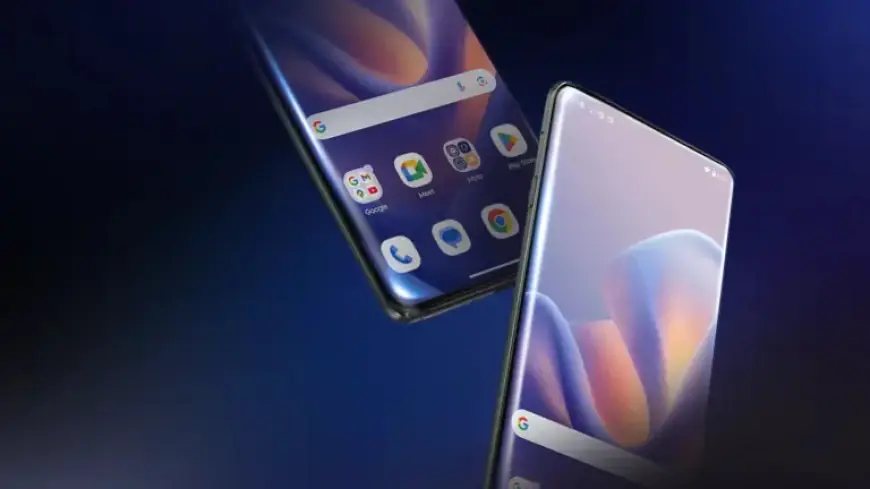
The discussion surrounding the potential resurgence of curved screens in smartphones is gaining traction. While curved displays may have fallen out of favor, there is a case to be made for their return in the evolving smartphone landscape.
Curved Screen History and Decline
Samsung was once at the forefront of curved screen technology, launching models like the Galaxy S7 Edge in 2016. This flagship featured a stylish design that captivated users, but many found its usability lacking. Since then, major manufacturers, including Honor, have largely moved away from curved formats, with Motorola being one of the few brands still producing such devices.
Design and Usability Challenges
Curved displays were originally marketed for their aesthetic appeal. However, practical issues soon arose for users. Mis-touches and glare became common complaints, overshadowing the visual flair of these devices.
Consumer Sentiment Towards Curved Displays
The modern smartphone market has become saturated with nearly indistinguishable designs that prioritize flat surfaces. Many users express nostalgia for the unique feel of curved devices, which provided a more ergonomic grip. For instance, the Motorola Edge 2024 has demonstrated that curved displays can still offer an enjoyable experience, despite some recurring usability issues.
Opportunities for Innovation
As smartphones trend towards uniformity, there is an opportunity to rethink the curved display concept. Future iterations could integrate:
- Shorter curves for improved handling
- Enhanced software to minimize accidental touches
- Innovative features that utilize curved edges effectively
Redefining the Smartphone Experience
Instead of following the flat slab design, manufacturers could explore ways to incorporate curves while addressing former shortcomings. Ideas such as wrapping screens around edges or utilizing software to discriminate between intended and accidental touches might enrich the user experience.
The growing dissatisfaction with current smartphone designs is evident. Consumers are looking for devices that break away from monotony. Curved screens could provide a fresh alternative, potentially revitalizing the smartphone market.
Conclusion: A Case for Curved Screens
Curved displays may not be the definitive answer to fulfilling today’s consumer needs. However, they represent a unique opportunity for manufacturers to innovate and differentiate themselves from the competition. The call for more engaging and practical designs in smartphones suggests that the return of curved screens could indeed be worthwhile.
As the industry evolves, it remains to be seen whether manufacturers will take the plunge. Yet, the concept holds potential for shaping the future of smartphone design.