





















Bad Bunny and the Super Bowl 2026 halftime show: start time, show length, and who he is

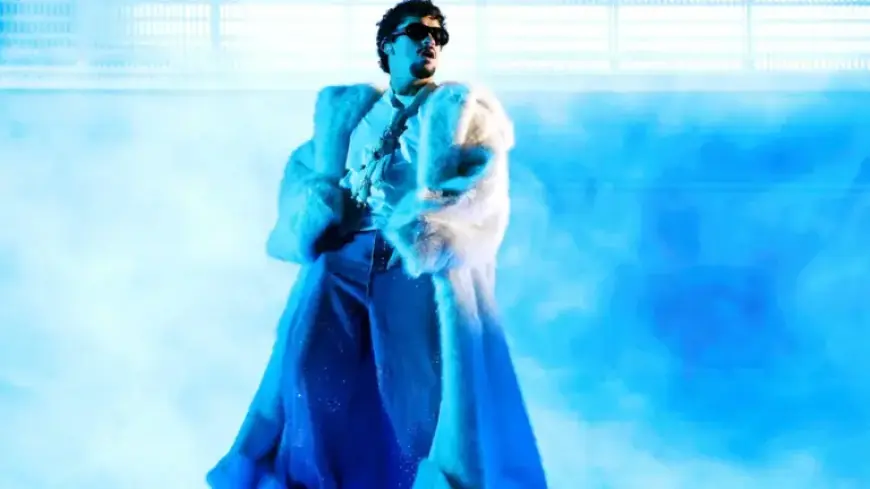
Bad Bunny is set to headline the Super Bowl 2026 halftime show on Sunday, February 8, 2026, turning one of the biggest U.S. TV stages into a showcase led by a Puerto Rican artist whose career has pushed Spanish-language pop further into the mainstream. For viewers asking “what time is the Super Bowl halftime show” or searching “halftime show 2026”, the key point is that halftime has a predictable rhythm—but no exact clock time until the first half ends.
What time is the Super Bowl halftime show?
The game kicks off at 6:30 p.m. ET, and halftime begins when the second quarter ends. In most Super Bowls, that puts the halftime show roughly between 7:30 p.m. and 9:00 p.m. ET, depending on penalties, reviews, injuries, scoring pace, and commercial breaks.
Halftime at the Super Bowl is longer than a normal regular-season break because of the production build and teardown. The musical set itself is typically a little over 10 minutes, while the full halftime window (including field conversion and reset) runs much longer.
| Timing guide (ET) | What it means |
|---|---|
| 6:30 p.m. | Kickoff |
| ~7:30–9:00 p.m. | Likely halftime show window (varies by game flow) |
| ~10–14 minutes | Approx. performance runtime within the extended halftime |
Halftime show 2026: what’s confirmed
Bad Bunny has been officially announced as the headliner for the Super Bowl 2026 halftime show. No special guests have been publicly confirmed as of early February 2026.
That matters because the halftime show often becomes a multi-artist event, but the only reliable expectation right now is that the night is built around his catalog—reggaeton, Latin trap, and pop-forward hits—delivered on a tight clock with heavy choreography and staging.
Who is Bad Bunny?
Bad Bunny is the stage name of Benito Antonio Martínez Ocasio, born in Puerto Rico in 1994 and raised in Vega Baja. He rose from the island’s scene into a global role as one of the defining artists of the streaming era, helping turn Spanish-language releases into consistent chart-toppers in the U.S. and beyond.
His sound moves fluidly across reggaeton, Latin trap, pop, and Caribbean rhythms, and his public identity blends playful swagger with pointed cultural statements—often centering Puerto Rican life, diaspora, and the island’s political status. That mix is part of why a “Bad Bunny Super Bowl” pairing has felt inevitable to fans for years: the event is built for mass spectacle, and he’s built a career on making spectacle feel personal.
Bad Bunny Grammys: what he just won
Bad Bunny is coming into Super Bowl weekend with fresh awards momentum. At the 2026 Grammy Awards, he won Album of the Year for “Debí Tirar Más Fotos,” a headline-making result that further cemented his crossover reach while staying rooted in Spanish-language music.
The win also reframes the halftime show storyline: this isn’t just a popular act landing a gig—it’s a headliner arriving with top-tier industry recognition at the exact moment the biggest audience is watching.
Is Bad Bunny a U.S. citizen?
Yes. Bad Bunny was born in Puerto Rico, and people born in Puerto Rico are U.S. citizens at birth under federal law.
That citizenship status is sometimes misunderstood because Puerto Rico is a U.S. territory, not a state. But the practical answer to “is Bad Bunny a US citizen” is straightforward: he is.
Sources consulted: National Football League, The Recording Academy (GRAMMY Awards), U.S. Department of State Foreign Affairs Manual, Reuters