




















Kid Rock’s Rock the Country Festival Faces 2026 Turbulence as Shinedown Withdraws, One Stop Is Canceled, and Politics Spill Over

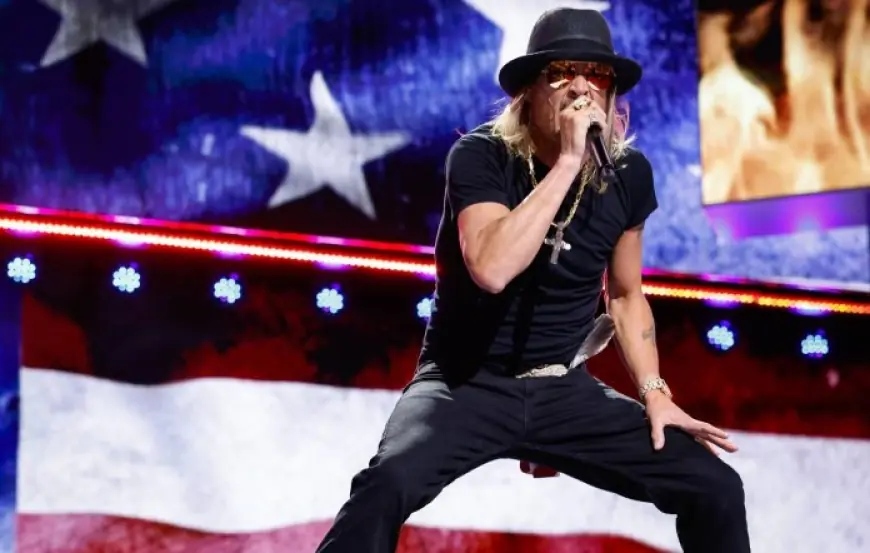
Kid Rock’s Rock the Country festival has hit a rough stretch heading into its 2026 run, with at least one scheduled stop in South Carolina canceled and renewed debate about how quickly touring events can get pulled into identity-driven crossfire. The turbulence lands as Kid Rock is also drawing attention for a separate, politically branded halftime-adjacent program timed to Super Bowl Sunday on February 8, 2026—turning a busy weekend into a reputational stress test for everyone attached to his orbit.
The immediate headline is straightforward: Shinedown has withdrawn from Rock the Country, and the Anderson, South Carolina date is off the calendar. Another detail that needs careful framing: Creed is no longer appearing in promotional materials because the canceled Anderson stop was the only date they were scheduled to play—not because the band independently exited the broader tour.
What happened: Shinedown withdraws, Anderson gets canceled, and Creed is removed because it was Anderson-only
In the last 48 hours, Shinedown publicly announced it would no longer perform at Rock the Country, framing the decision around avoiding further social division. Around the same period, the festival’s Anderson, South Carolina stop—previously slated for late July—was canceled.
That cancellation also explains why Creed “disappeared” from festival promotional materials. Creed was only scheduled to perform at the Anderson stop. When that date was scrapped, the band was removed from the festival’s lineup listings for the practical reason that their only scheduled appearance no longer existed. This distinction matters, because it avoids readers filling in blanks with speculation about motivations that were never stated.
As of this weekend, the festival’s published 2026 schedule centers on seven two-day stops running from May through September, starting May 1–2 and ending September 11–12.
Statement on the Anderson, SC stop
Rock the Country shared the following statement regarding the Anderson date:
Rock The Country was created to unite people together through music. Our lineups and our crowds reflect that sentiment — a wide range of voices, backgrounds, and stories that make up this country.
We’re truly disappointed we won’t be bringing the show to Anderson. Our fans work hard for their money, and we refuse to put on a show that doesn’t meet the standard they deserve.
Our focus remains where it’s always been: Supporting our artists, honoring our fans, and delivering unforgettable nights throughout the country. The shows ahead represent the heart of what Rock the Country stands for: music, community, and pride in where we come from.
Loving America isn’t political; it’s who we are.
Why the Rock the Country controversy is intensifying
Rock the Country has been positioned as a patriotic, small-town-leaning touring event tied to the broader “America 250” moment. That branding can galvanize a core audience, but it also increases the odds that every booking decision is interpreted as a cultural signal rather than a simple concert choice.
At the same time, the modern live-music environment is less forgiving of ambiguity. A single weekend of online backlash can shift the perceived risk calculus for artists, promoters, local venues, and sponsors. That’s how a lineup story becomes a broader narrative about brand exposure, audience expectations, and where “neutral” stops being an option.
Who bears the operational risk when lineups shift
Touring festivals don’t just sell tickets. They sell hotel nights, vendor revenue, temporary jobs, and municipal goodwill. When one location is canceled, the ripple extends beyond the stage—especially for local partners who have already budgeted for logistics, staffing, and public safety planning.
The pressure points are different for each stakeholder:
-
Promoters need stability to protect ticketing confidence and downstream partnerships.
-
Artists weigh fan reaction against reputational exposure, often with limited upside to staying quiet once a controversy spikes.
-
Local hosts carry sunk costs and public-facing frustration when schedules change.
Kid Rock’s halftime-adjacent spotlight adds heat
Kid Rock’s parallel appearance in a politically branded halftime-adjacent program on February 8, 2026 is amplifying the festival storyline. Even if the festival and the halftime event are distinct productions, public perception tends to merge them into one broader “what this represents” debate.
That linkage matters because it speeds up how quickly narratives travel—and how quickly they harden. For promoters, a heightened spotlight can boost demand among supporters while also narrowing the pool of artists willing to enter a charged environment.
What happens next
Rock the Country 2026 is still scheduled to run across multiple weekends from May through September. The next few weeks will likely determine whether this is a brief disruption or a longer period of rolling adjustments.
The most realistic outcomes look like this: a stabilization phase with replacement bookings and clearer city-by-city communication, or continued churn that keeps dates intact but forces frequent lineup revisions. Either way, the lesson is already visible: in 2026, the speed at which politics attaches itself to live entertainment can be as consequential as the music itself—whether anyone intended it or not.