






















5 Controversial Super Bowl Halftime Shows That Made Waves

Throughout nearly six decades, Super Bowl halftime shows have evolved from traditional performances to groundbreaking cultural events. Some shows have ignited conversations around politics, music, and social issues. Below we explore five controversial Super Bowl halftime shows that made waves, each leaving a lasting impact.
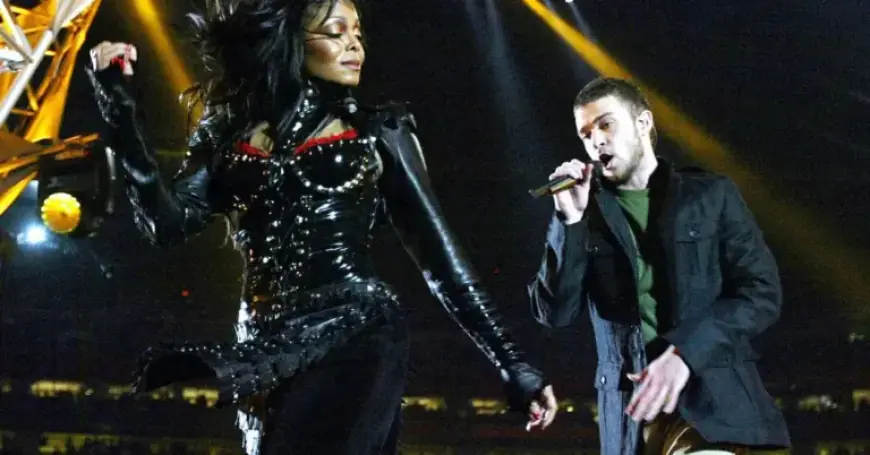
1. Janet Jackson and Justin Timberlake: The 2004 Incident
During the 2004 Super Bowl performance, Janet Jackson shared the stage with Justin Timberlake, Nelly, Diddy, and Kid Rock. The memorable moment occurred when Timberlake pulled off part of Jackson’s bustier, exposing her breast briefly. This led to the term “wardrobe malfunction” and a national outcry, ultimately resulting in significant consequences for Jackson.
2. M.I.A.’s Obscenity: A 2012 Backlash
In 2012, M.I.A. made headlines during Madonna’s halftime show when she extended her middle finger at the camera. Despite Madonna’s family-friendly performance, M.I.A.’s gesture sparked controversy. The NFL sought $16.6 million in damages from her, although they eventually reached a confidential settlement.
3. Beyoncé’s Bold Statement: The 2016 Performance
Beyoncé made a powerful return to the Super Bowl in 2016, supporting Coldplay while expressing solidarity with the Black Lives Matter movement. Just before the event, she released “Formation,” a song that showcased her identity as a successful Black woman. During the halftime show, she and her dancers raised their fists in a provocative salute that ignited discussions about race and activism.
4. Jennifer Lopez and Shakira: A 2020 Statement on Immigration
The 2020 halftime show featured Jennifer Lopez and Shakira, reflecting Latin pride. A notable moment involved children appearing in lighted orbs resembling cages, interpreted as commentary on U.S. immigration policies. Despite attempts by the NFL to alter this element, Lopez’s performance provoked significant discussion about social issues.
5. Eminem’s Protest: The 2022 Halftime Show
In 2022, Eminem made a statement by taking a knee during his performance, honoring Colin Kaepernick’s protest against police violence. This gesture, planned and approved by the NFL, sparked mixed reactions but resulted in fewer complaints than expected. Critics later questioned whether the gesture could still be viewed as a protest since it had league approval.
Conclusion
These controversial Super Bowl halftime shows not only entertained millions but also served as powerful platforms for social commentary. They remind us that music and sport often intersect with significant cultural moments.