






















Johnny Weir’s Milan-Cortina Moment: Viral Olympic Fashion, Razor-Sharp Commentary, and a Bigger Debate Over What Sports TV Should Be

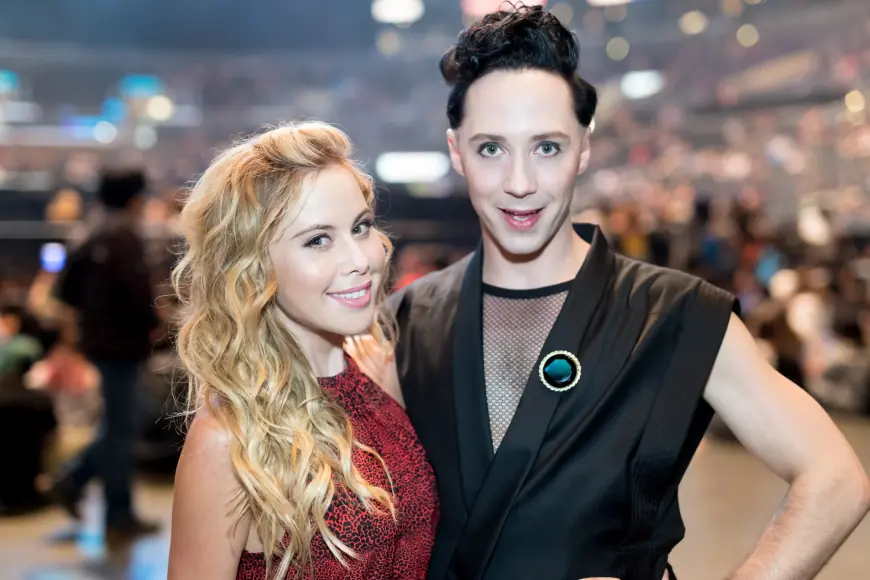
Johnny Weir is back in the center of the Winter Games conversation in 2026, and not only because of what’s happening on the ice. Over the past day, his on-air wardrobe choices during Olympic figure skating coverage have surged across social feeds, reigniting a familiar pattern: a major sporting event produces a breakout performance, and Weir’s style and commentary become their own parallel headline.
The timing is no accident. The Milan-Cortina Winter Games are underway, figure skating is one of the most watched events in the U.S., and broadcasts now compete with real-time clips and commentary everywhere. In that environment, Weir’s ability to mix technical analysis with high-concept fashion isn’t a side show — it’s a strategic advantage for any coverage trying to hold attention from 7:00 p.m. ET onward, when viewers are most likely to settle into prime-time viewing habits.
What happened: a fresh wave of viral Weir looks during Olympic figure skating
During team figure skating coverage on Saturday, February 7, 2026, Weir’s on-air look quickly became a trending topic as viewers shared screenshots and short clips alongside reactions that ranged from admiration to predictable debate. The moment wasn’t tied to a single controversial remark or a single judging dispute. It was the same thing Weir has repeatedly turned into a signature: treating the broadcast booth like part sports desk, part runway, part theater.
At the same time, his commentary on the men’s field has amplified interest in the sport’s technical arms race — especially the high-risk chase for multiple quadruple jumps and the “how far can this go” question that defines modern men’s figure skating.
Behind the headline: why Weir’s style strategy works right now
Weir’s fashion is not simply personal expression. It functions like a broadcast retention tool.
Context: Figure skating has long straddled sport and performance. But the last decade has pushed viewing behavior toward snippets, highlights, and personality-driven clips rather than full event blocks. That forces broadcasts to deliver both expertise and spectacle.
Incentives:
-
Broadcasters need moments that travel beyond the core skating audience.
-
Advertisers want cultural relevance, not just ratings.
-
Viewers want analysis, but they also want “something to talk about” while they watch.
Weir checks all three boxes. A striking outfit creates instant shareability, and his technical credibility keeps the conversation anchored in the skating itself rather than drifting into pure celebrity chatter.
Stakeholders: who benefits and who feels the pressure
-
The broadcast team benefits from increased visibility and a clearer identity in a crowded media landscape.
-
Skaters benefit when more eyeballs reach their performances, especially younger audiences who might not otherwise watch full programs.
-
Traditionalists may feel alienated if they perceive the spectacle as distracting from sport.
-
Judges and governing bodies may feel additional scrutiny because heightened visibility increases the volume and intensity of judging debates.
This is the trade-off: personality-driven coverage expands the tent, but it also raises the temperature when controversies hit.
What we still don’t know: the missing pieces viewers will watch for next
There are a few unanswered questions that shape how big this Weir moment becomes over the rest of the Games:
-
Will the viral fashion surge translate into sustained viewership for non-marquee events, or will it fade after the next headline moment?
-
Will Weir’s on-air role expand beyond figure skating segments into more prime-time hosting duties as the Games continue?
-
How will the broadcast balance playful, style-forward moments with the growing demand for deeper technical explanation, especially as the men’s event pushes risk levels higher?
Second-order effects: why this matters beyond one Olympics
Weir’s prominence is part of a broader shift in sports media: expert commentators are increasingly expected to be cultural figures, not just analysts. That changes hiring, training, and the creative direction of coverage across sports.
If this model keeps working, expect more broadcasts to lean into distinctive personalities — not in a chaotic way, but in a deliberate way that makes the “voice” of coverage feel as recognizable as the sport itself. The flip side is that it can widen the gap between fans who want pure technical content and fans who want a more entertainment-forward package.
What happens next: realistic scenarios and triggers
-
Scenario 1: The viral fashion wave turns into a sustained Olympic storyline.
Trigger: continued standout looks paired with big on-ice moments in the individual events. -
Scenario 2: Technical debates overtake fashion talk.
Trigger: a high-profile judging dispute or a risky quad-heavy program that reshapes medal expectations. -
Scenario 3: Backlash intensifies, then fizzles.
Trigger: a brief cycle of criticism that loses steam once competition stakes rise. -
Scenario 4: Weir’s profile expands beyond skating broadcasts.
Trigger: strong audience response leads to more hosting or feature segments later in the Games.
Johnny Weir’s 2026 spotlight is a reminder that modern Olympic viewing isn’t just about medals; it’s about moments that feel larger than the event itself. In Milan-Cortina, he’s delivering those moments from a place figure skating has always understood: the intersection of athletic difficulty, aesthetic risk, and unapologetic performance.