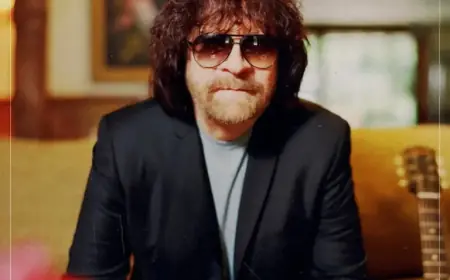

























Brad Arnold cause of death: 3 Doors Down frontman dies at 47 after kidney cancer


Brad Arnold, the lead singer and founding member of 3 Doors Down, died Saturday, February 7, 2026, at age 47. The cause of death was complications from stage 4 kidney cancer, a diagnosis he disclosed publicly last year that had already spread beyond the kidney.
Arnold’s death closes a brief, highly public battle with an aggressive form of renal cancer and has prompted an outpouring of tributes from fans and fellow musicians who grew up with the band’s early-2000s hits.
Cause of death and what was known medically
Arnold had been living with stage 4 clear cell renal cell carcinoma, a common subtype of kidney cancer, and he had said the disease had metastasized to his lung. Stage 4 kidney cancer generally indicates that cancer has spread to distant organs, making treatment more complex and outcomes less predictable.
Public updates over the past several months focused on the severity of the diagnosis and the need to step away from touring. While specific treatment details were not fully laid out publicly, the broad picture was clear: the cancer was advanced at the time it was found, and his health required major schedule changes.
Timeline from diagnosis to final months
Arnold first shared his diagnosis in May 2025, describing how he went to the hospital after feeling sick and learned he had advanced kidney cancer. That announcement quickly reshaped the band’s plans, including the cancellation of major touring commitments.
As months passed, the band and Arnold offered intermittent updates, but there were long stretches with little new information—typical for many families navigating serious illness privately. In the days after his death, statements emphasized that he died peacefully with loved ones nearby.
Impact on 3 Doors Down and canceled touring plans
The immediate, practical impact of Arnold’s illness was felt through canceled performances and a quieting of the band’s live schedule. For a group whose identity has long been tied to touring, the decision to pull back signaled how serious the situation had become.
Arnold wasn’t only the voice on the radio; he was also a key creative engine in the group’s catalog. 3 Doors Down’s breakthrough arrived with “Kryptonite,” followed by major hits including “When I’m Gone” and “Here Without You.” Those songs helped define a mainstream rock era that bridged post-grunge and pop-friendly hooks, and Arnold’s vocal style—direct, emotional, and instantly recognizable—was central to that run.
Career legacy and why his story resonated
Arnold’s death is hitting particularly hard for fans because his career arc included both longevity and a sense of personal openness. He spoke at times about sobriety and faith, and his approach onstage often leaned into gratitude and connection rather than rock-star distance.
That rapport mattered: many listeners didn’t just follow the singles—they followed the band through multiple album cycles, radio eras, and touring waves. Arnold’s willingness to share difficult personal chapters made the cancer announcement feel less like a celebrity headline and more like a community update for people who had grown up with his music.
What happens next for tributes and memorials
No single, official public schedule for memorial events was immediately clear in the first wave of announcements. In situations like this, plans can evolve quickly—private services first, then public tributes as the band and family decide what they want to share.
In the near term, attention is likely to focus on how the band chooses to honor Arnold’s role: potential tribute performances, benefit efforts connected to cancer care, and curated releases or retrospectives that highlight the group’s biggest era and deeper cuts alike.
Key takeaways
-
Brad Arnold died February 7, 2026 (ET) at 47 from complications of stage 4 kidney cancer.
-
He had disclosed in May 2025 that he was battling clear cell renal cell carcinoma that had spread to his lung.
-
His illness led to major cancellations and paused touring as his health declined.
Sources consulted: Reuters; People; LiveNOW from FOX; Houston Chronicle