
























Taylor Swift’s “Opalite” video sparks fresh fan theories with star-heavy, ’90s-style twist

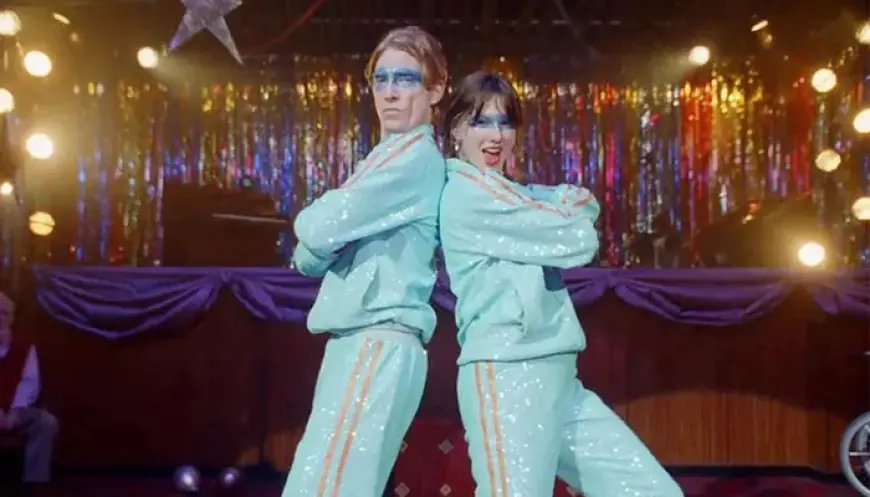
Taylor Swift released the “Opalite” music video on Friday, Feb. 6, 2026, leaning into a glossy, late-1990s rom-com look that begins as a parody product spot and pivots into a sweet, offbeat love story. The drop immediately set off a new wave of frame-by-frame decoding across fan communities, driven by a cast packed with recognizable cameos and a storyline built around “unconventional” relationships that gradually turn sincere.
The rollout also landed the same day Swift appeared in a prerecorded message played during the Winter Olympics opening ceremony in Milan, putting her name at the center of both entertainment and sports chatter within a single news cycle.
A satirical “ad” that turns into a romance
The video opens with the tone of a commercial: bright lighting, punchy cuts, and a wink-wink pitch for “Opalite” as a fix-all for loneliness and heartbreak. Swift plays the premise straight at first, treating the product like a miracle solution, before the story expands into a full narrative with set pieces that echo classic romantic comedies—chance encounters, misunderstandings, and a final emotional reset.
The concept lets Swift do two things at once: poke fun at nostalgia marketing while still delivering the comfort-watch vibe that nostalgia is supposed to provide. It’s self-aware without turning cynical, which helps explain why the clip has traveled beyond her core fan base.
The cameo strategy and why it’s working
The video’s cameo list is part of the hook, but it’s not just celebrity spotting for its own sake. Most of the appearances are used as quick “scene stealers”—a billboard moment, a TV-within-the-video moment, a bar performance, an aerobics segment—keeping the pace fast and encouraging re-watches.
The choice of performers also reinforces the rom-com tone: recognizable faces used sparingly, often for a single gag or a single emotional beat. It’s the same structural trick as a classic ensemble comedy—tiny roles that feel bigger because the viewer recognizes the person immediately.
What fans are keying in on
The early wave of discussion has centered less on the surface plot and more on what the details might be pointing toward: props that resemble past-era references, color palettes that seem to map to prior visual eras, and “advertising” language that some viewers read as a commentary on fame, branding, and public expectations.
Key takeaways:
-
The “fake product” framing gives Swift a comedic opening that can hide real emotional themes.
-
The cameo placement appears designed to reward repeat viewing without derailing the plot.
-
Visual callbacks and recurring motifs are fueling speculation about larger album-world connections.
At this point, many of the supposed “clues” remain interpretive rather than confirmed. The strongest read is simply that the video is built for replay value—dense enough to revisit, clear enough to enjoy on first watch.
How it connects to her current era
“Opalite” is presented as part of Swift’s newest album cycle, and the video’s tone aligns with a broader shift toward cinematic storytelling that’s lighter on shock and heavier on mood and character. Instead of an aggressive, plot-twist-heavy structure, it aims for warmth: a slightly absurd premise that ends in genuine connection.
That approach also matches where Swift’s visuals have been trending lately—fewer “villains,” more emotional interiors, and a greater emphasis on how relationships feel rather than how they explode.
The Olympics crossover effect
Releasing the video on the same day as a high-visibility Olympics appearance (even in prerecorded form) amplified reach outside typical music lanes. The overlap mattered because it created two different entry points for casual viewers: the entertainment headline and the mega-event spotlight.
In practical terms, that’s the kind of timing that can lift streaming and view counts quickly, but it also spreads the conversation—some people are discussing the song, others the video, others the broader cultural moment of Swift being threaded into major live events.
What happens next
The next signals to watch are concrete rather than speculative: whether “Opalite” moves into heavy radio rotation, whether additional behind-the-scenes material is released, and whether Swift or her team clarifies any intentional references tied to the album’s broader narrative.
If the pattern holds from prior eras, the video is likely one piece of a larger visual plan—meaning the “Opalite” discourse may keep building as future releases either confirm fan reads or steer attention elsewhere.
Sources consulted: People, Entertainment Weekly, Business Insider, Marie Claire