Jeff Bezos Blamed for Washington Post’s Massive Layoffs

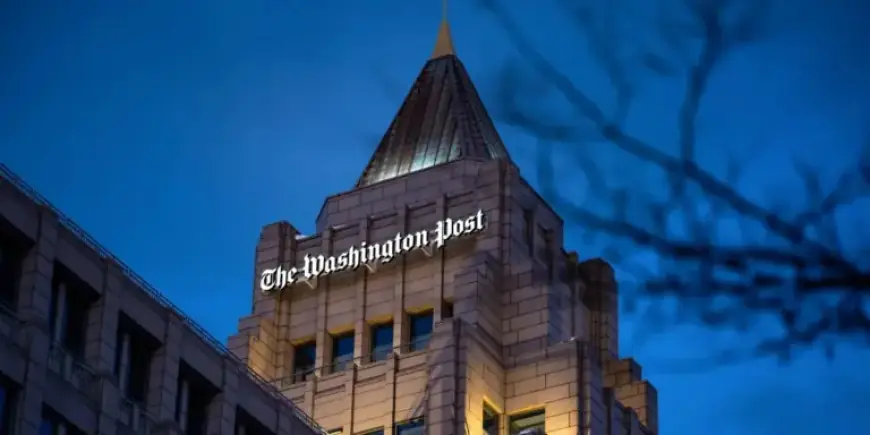
Jeff Bezos has drawn considerable criticism after the Washington Post announced significant layoffs affecting a third of its workforce. This reduction, which totals approximately 300 newsroom positions, has raised concerns regarding the future of independent journalism under his ownership.
Washington Post Layoffs: Key Details
- Date of Layoffs: January 27, 2026
- Percentage of Staff Cut: 33%
- Total Staff Affected: Approximately 300 newsroom members
The decision has been attributed to dwindling subscriptions and revenue streams. Critics argue that Bezos had the resources to maintain operations without imposing such severe cuts. With a personal net worth nearing $250 billion, many believe his actions stem from ideological motives rather than financial necessity.
Impact on Journalism
Under Bezos’s leadership since 2013, the Washington Post has shifted from its motto of “Democracy Dies in Darkness” to a more precarious state. Following his controversial decision to halt a planned endorsement of Kamala Harris in late October 2024, over 200,000 subscribers canceled their memberships. This decision notably alienated the Post’s audience, which historically leaned liberal.
Former costs and subscription cancellations are significant indicators of the publication’s declining fortunes. Amanda Morris, a former reporter, previously urged readers not to unsubscribe, warning that it would harm journalists rather than the billionaire owner.
Financial Context and Business Decisions
Despite the layoffs and financial struggles, Bezos has shown willingness to invest in projects that align with his interests. For instance, he welcomed Secretary of Defense Pete Hegseth to his Blue Origin spaceport, where they discussed contracts worth over $2 billion related to the Space Force.
In the film industry, Amazon recently premiered “Melania,” a project rumored to have paid the first lady around $28 million. Such spending seems to contrast sharply with the cuts made to the Post, raising questions about Bezos’s priorities.
Broader Implications for Media Ownership
The situation at the Washington Post mirrors other news organizations grappling with similar challenges under wealthy ownership. The Los Angeles Times, owned by billionaire Patrick Soon-Shiong, also faced layoffs following a lack of political endorsements that aligned with expected liberal views. In that case, subscriptions dropped significantly as well, revealing a troubling trend in media accountability.
As corporate interests increasingly influence journalistic integrity, the implications for public discourse and democratic values are profound. A robust adversarial media is crucial for holding powerful individuals accountable, a principle that feels threatened under current ownership models.
The Path Forward for Independent Journalism
The recent layoffs at the Washington Post underscore the need for a media landscape free from the whims of the ultra-wealthy. A journalism that prioritizes the public good over personal interest is vital for a healthy democracy. Without such a commitment, the void left by these cutbacks may lead to further erosion of accountability and transparency in reporting.
As the landscape changes, the call for independent, community-focused journalism becomes even more urgent. The future of news depends not only on financial models but also on who is ultimately permitted to control the narrative. Without significant change, the need for a trustworthy media source remains critical.