
























Ghana-Zambia Relations Strengthen Through Smock Diplomacy Boosting AfCFTA Ties

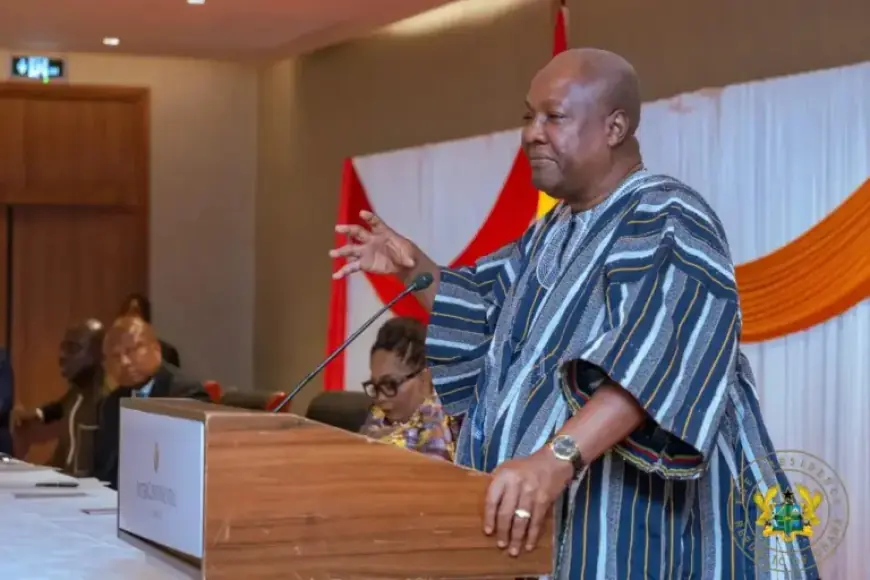
Recent developments in Ghana-Zambia relations highlight the potential for cultural diplomacy and economic ties through the lens of the African Continental Free Trade Area (AfCFTA). The discussion ignited by Ghanaian President John Dramani Mahama’s attire has drawn attention not only to traditional garments but also to the deep historical connections between the two nations.
Fugu Diplomacy: A Cultural Exchange
During his three-day state visit to Zambia, which concluded on February 6, 2026, President Mahama donned a traditional Ghanaian smock known as the fugu. This garment, rich in cultural significance, became a focal point of both criticism and appreciation on social media, especially among Zambians unfamiliar with West African attire. Initial reactions labeled his outfit as a “blouse,” spurring a robust defense of West African cultural identity online.
Understanding the Fugu
The fugu, historically worn by kings and warriors in Northern Ghana, symbolizes national pride and dignity. Mahama underscored its importance by stating, “All my clothes are made in Ghana by our designers.” This choice of attire was not just a fashion statement; it was part of a broader commitment to promote Ghanaian culture and products on an international stage.
- Significance of the Fugu: Representing historical prestige and spiritual protection.
- Cultural Misunderstanding: Zambians viewed the garment through a different lens, leading to unintended commentary.
- Parliamentary Solidarity: Ghanaian MPs showcased their support by wearing smocks during a parliamentary session.
Strengthening Ghana-Zambia Ties
The visit not only celebrated cultural exchange but also solidified diplomatic relations that trace back to Ghana’s early recognition of Zambia’s independence in 1964. Landmark agreements included a visa-waiver deal and a Bilateral Air Services Agreement, enhancing cooperation between the two nations.
The Role of the AfCFTA
At the center of the discussions was the need to improve trade relations through the AfCFTA. President Mahama pointed out the significant challenges that still hinder intra-African trade, including outdated transportation infrastructure and conflicting regulatory standards. He noted that addressing these obstacles is crucial for realizing the full potential of AfCFTA.
Economic Implications for Textiles
The viral discussion surrounding the fugu has inadvertently boosted Ghanaian artisans’ visibility. Local weavers have reported a surge in interest and inquiries about the fugu, suggesting a growing international appreciation for African textiles. Fuseini Abdul-Rashid, a master weaver, remarked, “What people called a ‘blouse’ is actually our pride, and now the world is finally paying attention.”
In a strategic move, the Zambia Revenue Authority announced tax exemptions for single fugu imports intended for personal use. This decision aligns with efforts to reduce barriers for cultural exports under the AfCFTA framework.
Future Prospects
Looking ahead, both leaders expressed commitment to expanding trade opportunities beyond raw materials to include finished products, with a special focus on textiles. Mahama’s vision includes exporting fugu as a fashionable item, potentially establishing it as a staple in intra-African trade.
The dialogue initiated through this cultural episode highlights the importance of individual identity in fostering international relations. As Ghana and Zambia continue to strengthen their ties, the enduring legacy of the fugu as a symbol of dignity and resilience remains a powerful reminder of the shared heritage and future potential of African nations.