
























California Rain Fuels Deadly Death Cap Mushroom Spread, Claims Four Lives

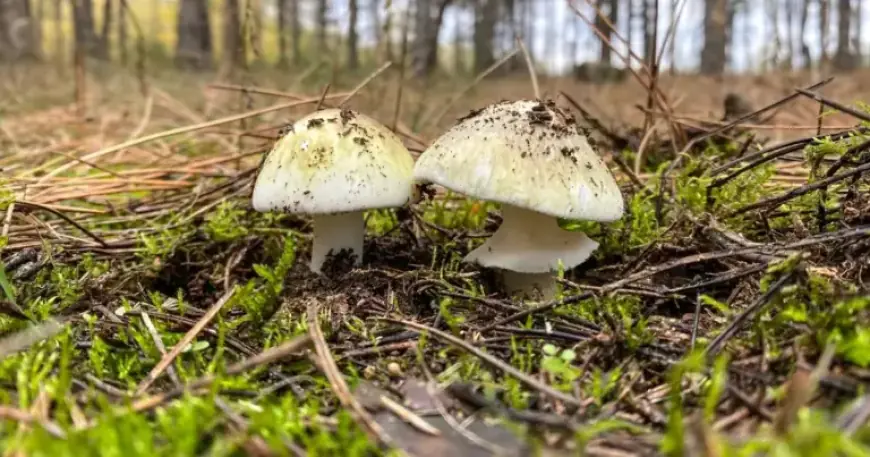
Recent rainfall in California has triggered a surge in the spread of death cap mushrooms, resulting in tragic consequences. Four individuals have died, and three more have undergone liver transplants due to these toxic fungi. The California Department of Public Health is issuing warnings urging residents to refrain from mushroom foraging this year to avoid further poisoning incidents.
Death Cap Mushroom Threat in California
Since November 18, health authorities have reported over three dozen cases of death cap mushroom poisonings. Among these cases are four deaths and three patients requiring liver transplants. Victims have displayed severe symptoms, including acute liver injury and liver failure.
Characteristics of the Death Cap Mushroom
The death cap mushroom is among the most toxic in the world. It contains amatoxins, potent compounds responsible for approximately 90% of fatal mushroom poisonings worldwide. These mushrooms thrive in various locations, including city parks and forests, and are often found beneath oak trees.
- Number of reported poisonings: Over 36
- Age range of victims: 19 months to 67 years
- Fatalities: 4
- Liver transplants: 3
Dr. Craig Smollin, medical director of the California Poison Control System, emphasized the unprecedented volume of cases this year compared to a typical annual average of two to five poisonings. The unusual climatic conditions, including warm fall temperatures and early rainfall, have contributed to a significant annual increase in death cap mushrooms.
Symptoms and Risk Factors
Initial symptoms of death cap mushroom ingestion can include stomach cramping, nausea, diarrhea, and vomiting, typically within 24 hours. Disturbingly, symptoms may subside before severe liver damage develops, which can occur within two to three days after ingestion.
A notable case involved a family in Salinas, a Northern California town. Laura Marcelino recounted how her family picked mushrooms resembling those they foraged in Oaxaca, Mexico, mistakenly believing them safe. After consuming them, both she and her husband fell ill, leading to a hospital stay for Marcelino and a liver transplant for her husband.
Health Advisory and Prevention
The California Department of Public Health has observed that many mushroom poisoning cases involve non-English speakers, particularly Spanish, Mixteco, and Mandarin Chinese speakers. Consequently, health officials are broadening their warnings in various languages to reach affected communities.
As a precaution, experts advise avoiding mushroom foraging unless one is an experienced mycologist. They also recommend purchasing mushrooms from reliable grocery stores. Awareness is crucial, especially regarding children and pets that may encounter these toxic mushrooms outdoors.
Important Contacts and Resources
In case of suspected poisoning, individuals are urged to seek immediate medical attention. For emergencies related to mushroom poisoning, the U.S. Poison Control Centers can be contacted at 1-800-222-1222 or via PoisonHelp.org.
This alarming rise in death cap mushroom poisonings underscores the need for vigilance and education to prevent further tragedies in California.