






















Darron Lee Arrested in Tennessee After Girlfriend’s Death, Forcing the NFL to Revisit a Familiar Pattern of Warning Signs

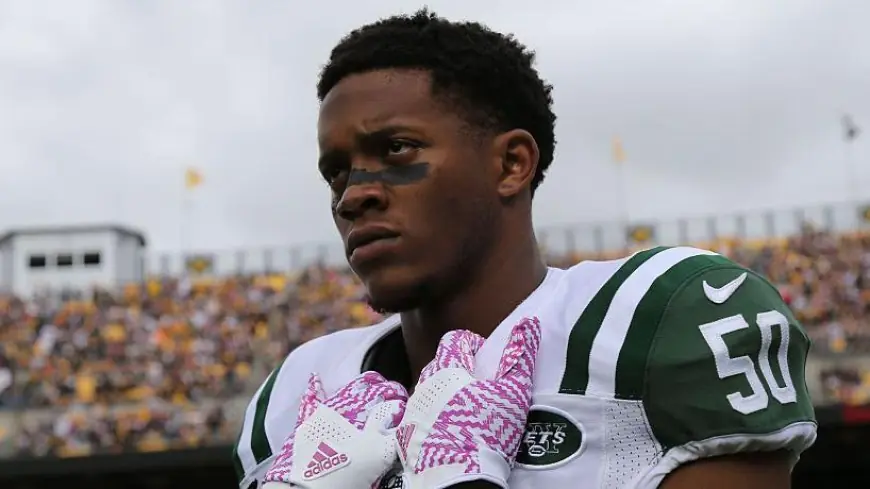
Former NFL linebacker Darron Lee, once a first-round draft pick and later a member of a Super Bowl-winning roster, is facing first-degree murder and evidence-tampering charges in Tennessee following the death of his girlfriend. The case, now moving into early court proceedings, has rapidly shifted from a local investigation into a national sports story that raises hard questions about accountability, intervention, and the limits of second chances when prior red flags already exist.
Lee, 31, was taken into custody in Ooltewah, Tennessee. Authorities said they responded to a medical emergency at a residence and found a woman unresponsive. She was pronounced dead at the scene. Investigators treated the death as a homicide, and Lee was charged with first-degree murder and tampering with evidence. As of Saturday, February 7, 2026 ET, the victim’s identity has not been publicly released. Lee is scheduled to appear in court on Tuesday, February 11, 2026 ET.
What happened: the charges and what is confirmed so far
At the center of the case is a single, stark set of allegations: that Lee killed his girlfriend and then attempted to interfere with the evidence. Officials have indicated that the victim had injuries consistent with a violent assault and that the scene showed signs suggesting attempts to clean or alter traces of what happened.
The case remains in its early phase. The public does not yet have a complete timeline of events inside the residence, and detailed forensic findings have not been laid out in open court. What is clear is that prosecutors have opted for the most serious charge available, and the addition of evidence-tampering points to an investigative theory that goes beyond a spontaneous act into actions taken after the fact.
Who Darron Lee is: from Ohio State standout to brief NFL career
Lee rose to prominence at Ohio State, winning a national title and earning major recognition as a fast, modern linebacker built for today’s spread offenses. He was selected 20th overall in the 2016 draft and entered the league with expectations of becoming a long-term defensive centerpiece.
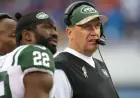
His NFL career, however, was relatively short. He played primarily for the New York Jets, later spent time with the Kansas City Chiefs during their Super Bowl season, and appeared in limited action with the Buffalo Bills in 2020. By the early 2020s, his on-field role had faded, leaving his public profile shaped less by performance and more by off-field issues.
Behind the headline: why this story triggers a wider debate about intervention
This case is landing with extra force because it fits an unsettling template: athletic fame, prior legal trouble, and a system that often reacts only after tragedy rather than preventing it.
The incentives in professional sports can unintentionally reward denial. Teams want talent and upside. Agents want contracts. Leagues want fewer scandals. Those incentives can lead to a quiet hope that problems resolve themselves if the player is no longer in a locker room or no longer in headlines. But in domestic-violence-adjacent situations, “not our issue anymore” is precisely the mindset that can allow patterns to continue out of view.
In Lee’s case, prior encounters with law enforcement and earlier allegations have been widely discussed in public records in recent years. Whether those incidents were treated as isolated missteps or as part of a consistent risk profile is now a central question for anyone trying to understand how this could escalate to a homicide investigation.
Stakeholders: who faces consequences beyond the courtroom
This case has immediate and long-term implications for several groups:
-
The victim’s family and loved ones, who often endure both grief and unwanted public attention while details emerge slowly.
-
Local investigators and prosecutors, who must build a case that can withstand scrutiny and avoid errors that could compromise justice.
-
The league and former teams, which will face renewed pressure about how seriously they treat warning signs, even when a player is no longer active.
-
Fans and communities, who are repeatedly forced to confront the gap between how sports culture celebrates athletes and how it addresses harm.
What we still don’t know
Several key elements remain unconfirmed in public:
-
The victim’s identity and full autopsy findings
-
The exact timeline leading up to first responders arriving
-
Whether any prior calls, protective orders, or documented threats were involved
-
What evidence underpins the tampering allegation and how it was discovered
-
Whether additional charges could be added as forensic work and interviews progress
These missing pieces matter because they will shape not only the legal outcome, but also the public understanding of intent, premeditation, and preventability.
What happens next: realistic scenarios with clear triggers
-
A bond and detention fight
Trigger: the defense seeks release conditions while prosecutors argue the severity and evidence justify continued detention. -
Formal charging escalation or refinement
Trigger: further forensic results or witness statements either strengthen the top charge or narrow the theory of the case. -
A negotiated resolution attempt
Trigger: prosecutors and defense assess evidentiary strength and the victim’s family’s priorities as the case matures. -
A full trial timeline set
Trigger: the court schedules hearings and motion deadlines, including disputes over evidence admissibility.
Why it matters
Beyond the grim details, the Darron Lee case is a reminder that celebrity can blur risk assessment, and that past red flags do not disappear when a player disappears from the field. If the allegations are proven, this becomes not only a criminal case but also another indictment of how easily violence can be minimized until the consequences are irreversible.