





















JD Vance Booed in Milan at the Milano Cortina 2026 Olympic Opening Ceremony as Politics Collide With the Games

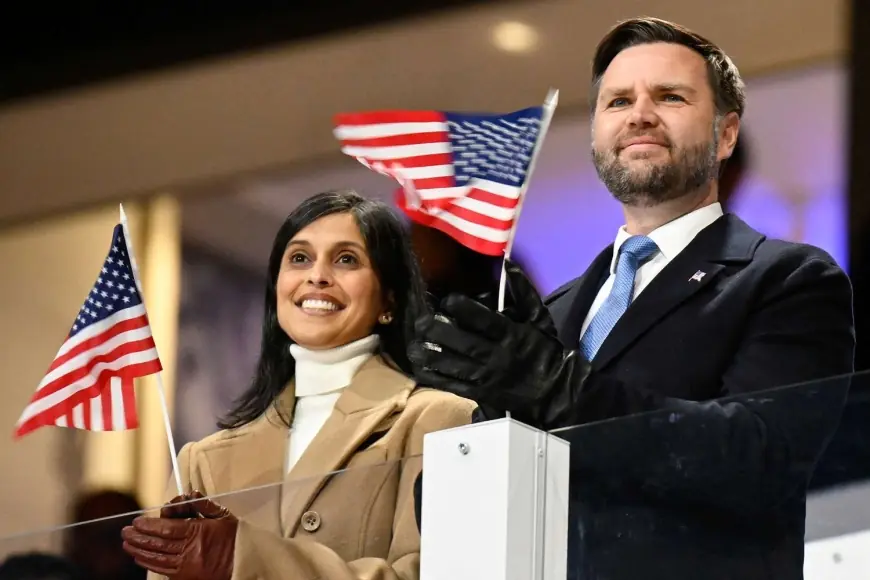
U.S. Vice President JD Vance was booed inside Milan’s San Siro during the Milano Cortina 2026 Winter Olympics opening ceremony on Friday, February 6, 2026, when he and his wife, Usha Vance, appeared on the stadium video screens. The reaction contrasted with the crowd’s louder cheers for Team USA during the Parade of Athletes, underscoring how Olympic audiences can separate athletes from political figures even within the same delegation.
The moment has ricocheted across social media and cable coverage because it lands at the uncomfortable intersection the Olympics tries to avoid: national pageantry on the field, geopolitical grievance in the stands.
What happened: Vance booed at the Winter Olympics opening ceremony
Multiple eyewitness accounts from inside the stadium describe a clear wave of boos and jeers as JD and Usha Vance were shown briefly on camera. The appearance came amid heightened political sensitivity in Italy around U.S. immigration enforcement and the symbolism of American security policy abroad. The booing did not dominate the ceremony overall, but it was distinct enough to register in the broadcast audio and in-stadium reactions, and it quickly became one of the most replayed clips of the night.
Behind the headline: why the crowd reaction matters
This wasn’t simply a “celebrity gets booed” incident. It highlights a core Olympic tension: leaders want the soft-power glow of the Games, while audiences often use that same stage to signal approval or dissent.
Context: The opening ceremony is the Olympics’ highest-visibility ritual, designed to project unity. That makes it especially attractive for political optics—and especially sensitive to any sign of protest.
Incentives:
-
For U.S. officials, attending signals alliance maintenance and national presence at a major global event.
-
For local critics, the opening ceremony is a rare moment when a message can be delivered directly to an international audience, in real time, with maximum attention.
-
For organizers, the incentive is to keep the Games “about sport,” but that goal becomes harder when politics is already part of the surrounding narrative.
Stakeholders: Team USA athletes have the most to lose from distractions that pull attention away from competition. Organizers have reputational exposure if the ceremony becomes a political flashpoint. Italian officials have to balance diplomatic protocol with local public sentiment. And the Vances themselves become symbols in a storyline they don’t fully control once the crowd reacts.
Italy’s leadership: who is the prime minister?
Italy’s prime minister is Giorgia Meloni. Her government has been navigating the dual pressures of hosting a global mega-event and managing the domestic politics that come with it—especially when international guests arrive carrying their own controversies.
What time is it in Milan Cortina Italy right now?
As of 11:05 a.m. Eastern Time on Saturday, February 7, 2026, clocks in Milan read 5:05 p.m. Milan is six hours ahead of Eastern Time during this part of the winter.
What we still don’t know
Even with the clip circulating widely, several details remain murky or easy to overstate:
-
Scale: How widespread the booing was across the stadium versus concentrated sections
-
Duration: Whether it lasted seconds or extended across multiple camera cuts
-
Motivation: Whether the reaction reflected general anti-U.S. sentiment, specific policy anger, or a mix of both
-
Impact: Whether it alters security posture, diplomatic scheduling, or how political VIPs appear at future Olympic events
It’s also important to separate the crowd’s reaction to political figures from the reception for athletes, which appears to have been notably more supportive.
Second-order effects: what this could change next
The most immediate ripple is message discipline. Olympic organizers may tighten how VIPs are shown on screens to reduce flashpoints. Delegations may also reconsider how prominently they feature political leaders at public-facing moments.
Another ripple is narrative gravity: once an opening-ceremony booing clip becomes “the story,” it can crowd out early sporting achievements and amplify partisan interpretations back home. That’s a loss for athletes and a headache for hosts who want the Games framed as an operational success.
What happens next: realistic scenarios to watch
-
Organizers de-emphasize VIP screen time
Trigger: repeated crowd reactions to dignitaries
Result: fewer “cut to VIP box” moments during marquee sessions -
Diplomatic meetings continue, but optics shift
Trigger: heightened attention on political presence
Result: more private engagements, fewer stadium appearances -
Security messaging gets clarified
Trigger: public confusion about the role of foreign or domestic security agencies
Result: more formal briefings to reduce rumor-driven protests -
The story fades as medals stack up
Trigger: major finals and headline performances
Result: sports retake the spotlight, politics becomes background noise
Summer Olympics 2028: what’s next for the U.S.
The next Summer Games are Los Angeles 2028, scheduled for July 14 to July 30, 2028 in Eastern Time. The U.S. will be on the other side of the hosting equation then—where every political decision at home can become part of the atmosphere visitors react to in the stands.
In short: yes, JD Vance was booed at the Milano Cortina 2026 opening ceremony, and the moment matters less as a personal slight than as a reminder that the Olympics can’t fully separate sport from the world watching it.