
























Washington Halts Prosecutors’ Investigation into Renee Good’s Killing

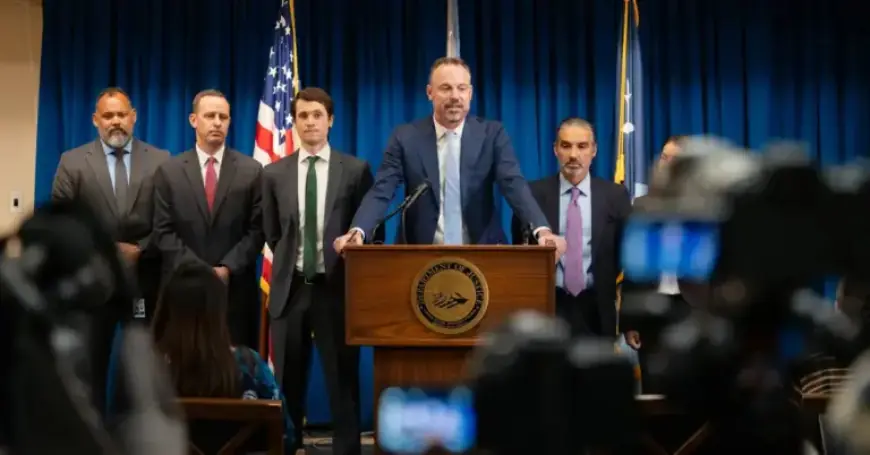
In a significant development, Washington has recently halted the investigation into the killing of Renee Good by an immigration agent. This incident took place on a Minneapolis street and has drawn widespread attention due to its implications for civil rights and the conduct of federal law enforcement.
Background of the Incident
Renee Good was fatally shot inside her SUV by U.S. Immigration and Customs Enforcement (ICE) Officer Jonathan Ross last month. Shortly after the shooting, Joseph H. Thompson, a senior federal prosecutor in Minnesota, initiated a standard civil rights investigation, anticipating appropriate legal protocols would follow.
The Turn of Events
However, the investigation took an unexpected turn. Despite having obtained a signed warrant to search Good’s vehicle, F.B.I. agents were ordered to halt their efforts. The directive came from high-ranking officials, including FBI Director Kash Patel. Concerns were raised that pursuing the civil rights probe would undermine President Trump’s characterization of Good, who was accused of “violently” running over the officer.
Shift in Investigative Direction
In the wake of the halted investigation, senior Department of Justice officials proposed alternative routes. They suggested seeking a new warrant based on potential assault charges against Good, or investigating her partner, who had confronted immigration agents with her on the day of the shooting. These recommendations were met with resistance from several prosecutors, who viewed them as legally questionable and inflammatory.
Prosecutorial Exodus
The dissent within the Minnesota U.S. attorney’s office led to a significant exodus of prosecutors. Thompson and five others resigned in protest, exacerbating staffing issues in the office. The departures coincided with ongoing investigations into serious cases, including a terrorism trial and inquiries into fentanyl trafficking.
Impact on Federal Law Enforcement
- Anger over immigration enforcement has grown, complicating federal relations with local law enforcement.
- Brian O’Hara, Minneapolis police chief, expressed concerns that these changes might undermine coordination efforts.
- Matters were exacerbated by accusations of misconduct against federal agents, leading to heightened tensions within the community.
The Bigger Picture
Following Good’s death, senior officials, including Homeland Security Secretary Kristi Noem, quickly labeled her as a domestic terrorist, further inflaming public sentiment. The decision to divert from a civil rights investigation surprised many veteran prosecutors who expected a transparent legal inquiry, particularly in light of the administration’s scrutiny of immigration enforcement practices.
Prosecutions and Future Implications
Reports indicate that amidst all these changes, the Minnesota U.S. attorney’s office is now overwhelmed with a surge of new cases tied to the ongoing federal immigration crackdown. Prosecutors are currently managing mounting allegations against federal officers and litigation related to individual detentions of immigrants.
Conclusion
The controversy surrounding Renee Good’s killing and the subsequent judicial decisions have highlighted the tensions within federal law enforcement and the challenges of balancing community trust with compliance to federal immigration policies. The ongoing crisis in Minnesota serves as a critical reminder of the complexities facing the legal system at both local and national levels.