
























Unpacking the Meaning of Being Listed in the Epstein Files

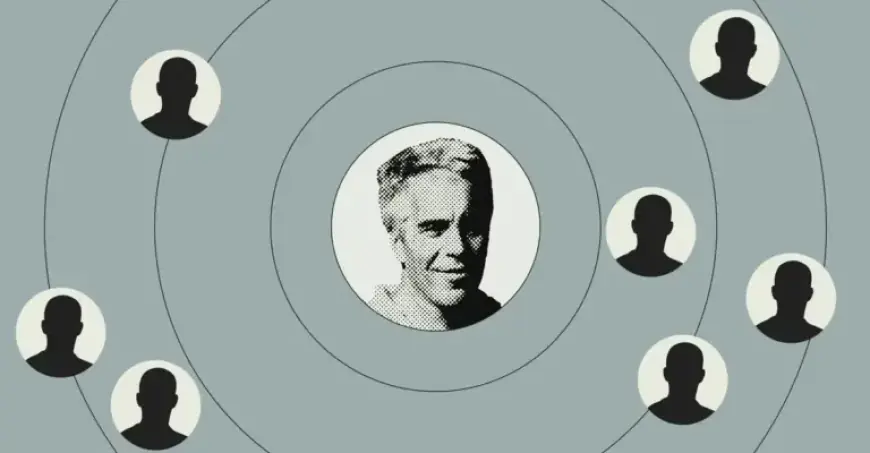
In recent weeks, the release of the Epstein files has generated significant public scrutiny and controversy. This development has led to several notable resignations and apologies among various public figures who found their names in the documents. The association with Jeffrey Epstein, a convicted sex offender, has raised questions about guilt by association.
The Fallout from the Epstein Files
One prominent figure affected is Dr. Peter Attia, a health influencer. He resigned from a protein-bar company after emails emerged showing him engaged in inappropriate banter with Epstein. Following this revelation, CBS News decided to pull a segment featuring Attia from its 60 Minutes program.
Attorney Brad Karp, chair of the law firm Paul Weiss, is also stepping down after praising Epstein in an email. This level of association has prompted institutions like Queen’s University Belfast to take action by removing the name of former U.S. Senator George Mitchell from its peace institute. Mitchell had previously played a key role in the 1998 Good Friday Agreement and served as the university’s chancellor for ten years.
Allegations and Apologies
The fallout has not been limited to individual resignations. Numerous public figures have begun issuing statements to clarify their connections to Epstein and stress their lack of illegal activity. This trend is unprecedented compared to the responses seen in similar cases involving high-profile offenders like Harvey Weinstein and Bill Cosby.
- Peter Attia – Resigned from a protein-bar company
- Brad Karp – Stepping down as chair of Paul Weiss
- George Mitchell – Name removed from Queen’s University Belfast
- Los Angeles Olympic Committee – Calls for resignation of its chair
Understanding the Epstein Files
Many assumptions surround the nature of Epstein’s offenses. He is known to have paid numerous young girls for sexual acts, leading to widely held beliefs about his operations. However, many of these claims lack substantiation, and accusations of a larger conspiracy remain speculative.
Virginia Giuffre, a notable accuser, claimed that Epstein transported her to his powerful friends, but these allegations remain unverified. Giuffre recently passed away in 2025, and her claims against others, including Prince Andrew and defense attorney Alan Dershowitz, led to significant legal battles.
Responses from Victim Advocates
Brad Edwards, an attorney representing over 200 victims of Epstein, commented on the allegations involving Epstein’s connections. He suggested that while some of Epstein’s acquaintances may have participated in inappropriate behavior, Epstein primarily acted for his personal gratification without a broader trafficking operation.
Political and Cultural Implications
The release of the Epstein files has sparked a wider conversation about privilege and complicity. Many public figures, including Donald Trump, have faced scrutiny for their past associations with Epstein. Trump previously described Epstein as a “terrific guy” but later distanced himself after Epstein’s criminal activities came to light.
This situation has given rise to conspiracy theories, particularly around the idea of a “client list” containing the names of those involved in Epstein’s activities. Despite public insistence, there is no solid evidence confirming the existence of such a list.
Conclusion: The Broader Impact
The Epstein files highlight the contradictions and complexities surrounding wealth, power, and abuse in society. They bring to light how some individuals may have ignored questionable actions in their quest for prominence and connections.
Despite the destruction wrought by Epstein’s actions, the files reveal a nuanced reality devoid of a grand conspiracy, yet filled with unethical relationships and a legacy of trauma. This unfolding narrative will continue to shape public discourse for years to come.