






















ja morant trade talk builds as Zach LaVine’s market stays complicated

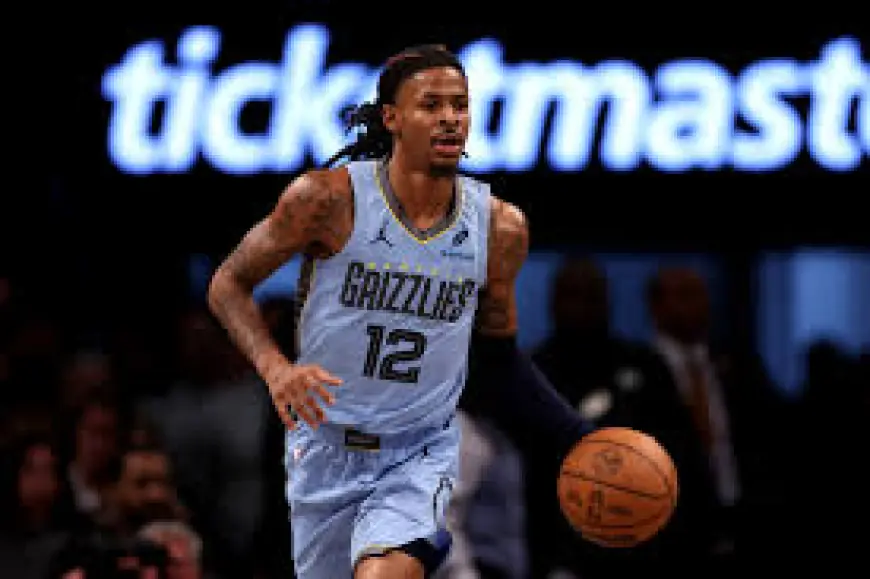
The week after the NBA trade deadline, the “ja” conversation has shifted from day-to-day rumor churn to a clearer offseason outlook: Ja Morant stayed put, but recent coverage indicates Memphis is preparing to revisit a deal this summer. The timing matters because Memphis has already signaled a pivot by moving major pieces and because Morant is currently sidelined, limiting what teams can evaluate in real games right now.
At the same time, Zach LaVine’s situation offers a useful parallel for how contract math can cool a market even when a player can still score: his expected decision on a pricey 2026–27 player option is already shaping how teams think about trade flexibility.
Where Ja Morant stands now
Ja Morant has missed the past seven games with a sprained elbow, and there has been no public indication that the injury is season-ending. Memphis, sitting at 20–29 and outside the play-in picture, is balancing two competing incentives over the final months: protect a franchise guard’s health and rebuild leverage by getting him back on the floor long enough to steady his value.
The key point coming out of deadline week is that Morant’s name remains central to Memphis’ direction even though no move happened before the buzzer. Recent coverage has framed the non-deal as a pause rather than a reversal, with the Grizzlies expected to pick trade talks back up once the offseason calendar opens and more teams can act with clearer cap and roster plans.
How the deadline reshaped Memphis’ timeline
Memphis’ roster decisions around the deadline carried a loud message about priorities. The team has accumulated significant draft capital through recent trades and has leaned further into a younger core, which naturally raises the question of whether Morant fits the next competitive window.
That’s why the next two months matter even without daily negotiations. If Memphis leans into lottery positioning, Morant’s return timetable could be handled conservatively. If Memphis wants to maximize offers, the team’s best tool is still game tape—meaning Morant playing, looking healthy, and showing consistent form against real defenses.
What a “ja morant trade” would need to clear
For a ja morant trade to materialize this summer, the checklist is less about highlight potential and more about practical hurdles:
-
Health certainty: teams will want confidence the elbow issue is resolved and that he can carry a heavy workload.
-
Contract fit: acquiring a max-level guard often requires complicated salary matching, which can drag third teams into talks.
-
Team direction: the best bidders are usually franchises that believe they’re one lead guard away, not teams still deciding whether to rebuild.
The common theme is leverage. Memphis gains leverage if Morant finishes the season playing well and staying available. Potential buyers gain leverage if the market stays thin and Memphis wants resolution quickly.
Zach LaVine’s contract reality and trade chatter
Zach LaVine has been linked to trade conversations, but the biggest constraint is straightforward: the money. Recent coverage has pointed to LaVine being expected to pick up a roughly $49 million player option for 2026–27, a number that can make it hard for teams to build a deal without sending back meaningful long-term salary.
That doesn’t mean LaVine can’t be moved. It means the most realistic pathways tend to involve teams that (1) need scoring immediately, (2) can tolerate the cap hit, and (3) have enough contract “bulk” to match salary without gutting the roster. In other words, LaVine’s market—like Morant’s—depends as much on team-building mechanics as talent.
What to watch next on the calendar
With the trade deadline behind the league, the next meaningful inflection points will come from health updates, late-season performance, and the first wave of offseason decisions.
Key takeaways
-
Morant’s availability over the final stretch is likely to be the single biggest factor in shaping offers.
-
Memphis’ recent roster moves point toward an offseason pivot, even if the exact destination remains unclear.
-
LaVine’s expected player-option decision and cap impact will keep his market selective rather than broad.
Sources consulted: The Athletic, Associated Press, Hoops Rumors, Bleacher Report