





















Milano Cortina 2026 Winter Olympics open with dual flames as first medals begin

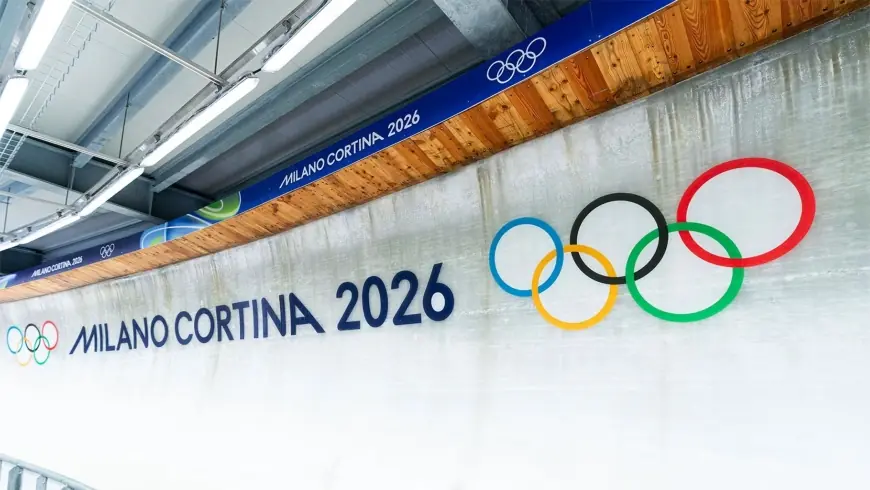
The 2026 Winter Olympics are underway in northern Italy after an opening ceremony on Friday, Feb. 6, 2026, that lit two Olympic cauldrons at once—one in Milan and one in Cortina d’Ampezzo. The dual-flame concept, a first for the Games, sets the tone for an Olympics spread across city arenas and mountain venues, with early competition on Saturday already bringing the first medal events into view.
For athletes and organizers alike, the next 48 hours are a stress test: packed transport corridors, tight venue security, and marquee events beginning immediately after the ceremony.
Dual cauldrons define the opening
The headline visual from opening night was the simultaneous lighting of two cauldrons, reflecting the co-host format and the geographic split between the main ice hubs and the alpine clusters. The cauldrons were designed with intricate mechanics and a wide, unfolding structure—an engineering-forward symbol meant to connect urban spectacle with mountain tradition.
The Milan flame sits beneath the Arco della Pace, where organizers have planned short, recurring public displays tied to the cauldron throughout the Games. The Cortina flame anchors the mountain side of the event footprint, where women’s alpine skiing and several marquee outdoor competitions are staged.
A sprawling footprint raises the stakes on logistics
Milano Cortina is built around distance. Athletes, teams, media, and fans are moving between Milan’s indoor venues and multiple mountain clusters in places like Cortina, Livigno, and the surrounding valleys. That sprawl creates a very different “feel” from compact recent Winter Games: less of a single Olympic park and more of a moving festival stretched across regions.
The payoff is variety—historic slopes, iconic city backdrops, and distinct venue atmospheres. The cost is complexity. Travel time becomes part of the daily plan, weather can disrupt transfers, and small delays can cascade into missed sessions or compressed training schedules.
Security and access controls tighten around venues
Authorities have stepped up crowd management and screening at venue entrances, with restricted zones around key sites and busy transport nodes. In Milan, traffic controls and controlled-access perimeters have added friction for drivers and deliveries near major venues, especially around high-attendance sessions.
For ticket-holders, the practical impact is simple: earlier arrival times, more checkpoints, and longer lines at peak hours. The Games are also drawing protest activity in central areas, adding another variable for policing and crowd routing.
First medal events: what’s on tap Saturday
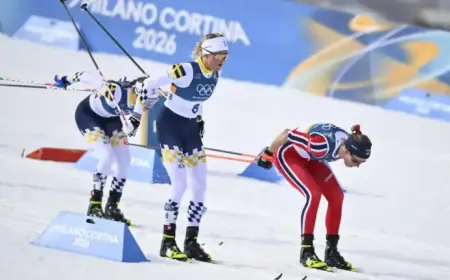
Saturday, Feb. 7, 2026, brings the first major medal moments alongside dense qualifying schedules. Sliding and skating events begin to take center stage, while skiing disciplines ramp up across the mountain parks.
A few early competitive storylines are already emerging:
-
Men’s luge singles opens with high-speed runs that can be decided by fractions of a second.
-
Speed skating’s early races spotlight a new generation of all-around contenders and established champions aiming to peak immediately.
-
Freestyle skiing’s slopestyle course is producing mistakes and cautious approaches in qualifying, reflecting a demanding rail-and-jump layout.
Because many events run across time zones and venues, the “headline” moment of the day may differ by audience: some fans will focus on the first medals awarded, others on qualifiers that set up finals early next week.
Athletes to watch in the opening stretch
The opening weekend traditionally rewards athletes who can handle uncertainty—variable conditions, unfamiliar routines, and the emotional whiplash of moving from ceremony to competition overnight.
Several high-profile names are already shaping the narrative:
-
A returning veteran in alpine skiing drawing attention for attempting another Olympic chapter after time away.
-
A breakout American speed skater viewed by rivals as a transformational talent across multiple distances.
-
A freestyle star balancing confidence with risk after an early qualification stumble.
The broader theme is timing: in a Winter Games, a single missed line on a rail, a small skid on ice, or a late steering correction on a track can decide an Olympic cycle in seconds.
Key dates and times (ET)
| Moment | Date | Time (ET) | Note |
|---|---|---|---|
| Opening ceremony | Feb. 6, 2026 | 2:00 p.m. | Stadium event in Milan |
| First full competition day after opening | Feb. 7, 2026 | All day | Multiple medal events begin |
| Cauldron public displays begin | Feb. 7, 2026 | Hourly | Daily shows planned in Milan |
| Paralympics cauldron relighting | March 6, 2026 | Not specified | Start of Paralympic period |
What comes next this weekend
Sunday’s schedule builds quickly, with more alpine and biathlon action joining continuing round-robin play in team sports. Expect organizers to be judged as much on flow as on spectacle: transport reliability, queue times, and the ability to keep events on schedule across distant clusters.
If conditions stay stable, the early days could produce a clean start and fast-rising medal races. If travel bottlenecks or weather disruptions hit, the story may shift toward logistics—and how teams adapt when the plan changes overnight.
Sources consulted: Reuters, CBS News, ESPN, People Magazine