

























Piyush Goyal: Zero-Duty US Access Secured Without Impacting Farmers

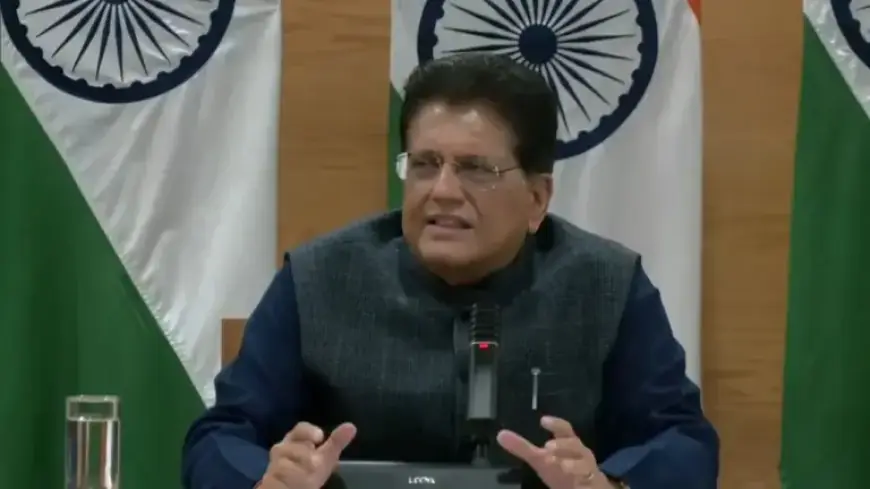
India has achieved a significant trade breakthrough with the recent announcement of a new trading agreement with the United States. Union Minister Piyush Goyal emphasized the protection of Indian farmers and micro, small, and medium enterprises (MSMEs) while also expanding market access for select agricultural products.
Key Details of the Agreement
During a press conference following the announcement on February 7, 2026, Goyal outlined the core components of the trade deal. It aims to enhance India’s export capacity while safeguarding local agricultural interests.
Zero-Duty Access for Indian Products
Under the new agreement, several Indian agricultural products will enter the US market at zero duty. Goyal stated that the deal was designed to avoid benefiting US agricultural imports. He mentioned specific products that Indian exporters can send to the US without tariffs:
- Tea
- Spices
- Coffee
- Coconut oil
- Fruits like banana, mango, guava, avocado, kiwi, papaya, and pineapple
- Mushrooms
- Cereals and barley
- Bakery products and cocoa products
- Sesame seeds
Protecting Local Interests
Goyal assured that the agreement is crafted to prioritize India’s farmers and local industries. He emphasized that products for which India has achieved self-sufficiency are excluded from the agreement. “We are ‘aatma nirbhar’ in key areas, which remains unaffected by this deal,” he noted.
Market Potential and Future Outlook
The trade deal is anticipated to unlock opportunities in a vast market valued at around $30 trillion. While the negotiations have faced challenges impacting India-US relations, Goyal expressed optimism for a final agreement by mid-March.
Overall, the trade deal presents a balanced approach, facilitating Indian exports while maintaining the integrity of local agricultural sectors. This milestone in US-India relations appears to be a promising development for both economies.