
























Avoid Winter Walkway Hazards: Tips to Prevent ER Visits

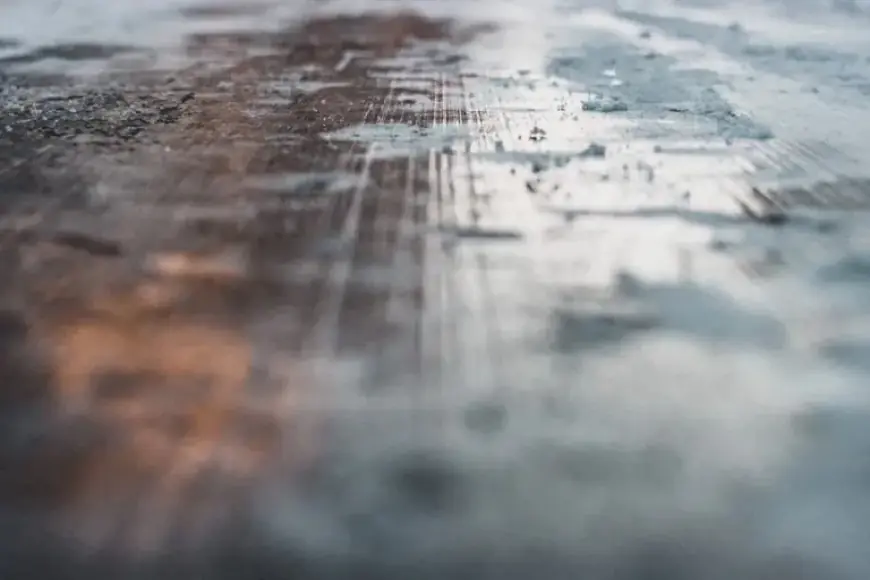
Winter brings a unique set of challenges, particularly when it comes to walkways. With the onset of snow and freezing temperatures, hazards like black ice emerge, significantly increasing the risk of slip-and-fall injuries.
Understanding Winter Walkway Hazards
Slip-and-fall incidents during winter are a serious issue in Canada. They rank as the second leading cause of injuries, following car accidents. Daniel Berman, a personal injury lawyer at Foisy & Associates, emphasizes the dangers posed by black ice—a nearly invisible yet treacherous condition.
What is Black Ice?
Black ice forms in areas with high foot traffic including:
- Steps
- Ramps
- Entrances to homes and stores
This slippery hazard often develops when daytime temperatures rise above 0°C and fall below freezing at night. Even well-known walkways can become perilously slick under these conditions. Additionally, post-snowstorm cleanups may inadvertently contribute to black ice formation, as runoff from plowed snow refreezes overnight.
Common Injuries from Slip-and-Falls
Slip-and-fall accidents during winter can lead to various serious injuries, including:
- Fractures (ankles, wrists, hips)
- Spinal injuries
- Concussions and other head injuries
Head injuries are particularly concerning. Symptoms of a concussion may manifest as:
- Headaches
- Dizziness
- Sensitivity to light
- Memory issues
- Trouble concentrating
Long-Term Impacts of Winter Injuries
The healing process for injuries like concussions can be lengthy, and some effects might linger indefinitely. These conditions can hinder daily activities, work performance, and social engagements, highlighting that the stakes go beyond mere physical well-being. Preventing slip-and-fall injuries is crucial for maintaining overall quality of life.
Tips for Preventing Slip-and-Falls
To minimize the risk of winter walkway hazards, consider the following strategies:
- Regularly clear walkways of snow and ice.
- Apply salt or sand to enhance traction.
- Wear appropriate footwear with good grip.
- Be cautious on familiar paths, as conditions can change quickly.
In summary, understanding the risks associated with winter walkways is vital. By taking precautionary measures, you can safeguard yourself and others from slip-and-fall injuries this winter season.