

























Trump’s Immigration Policies Face Political Backlash: NPR Reports

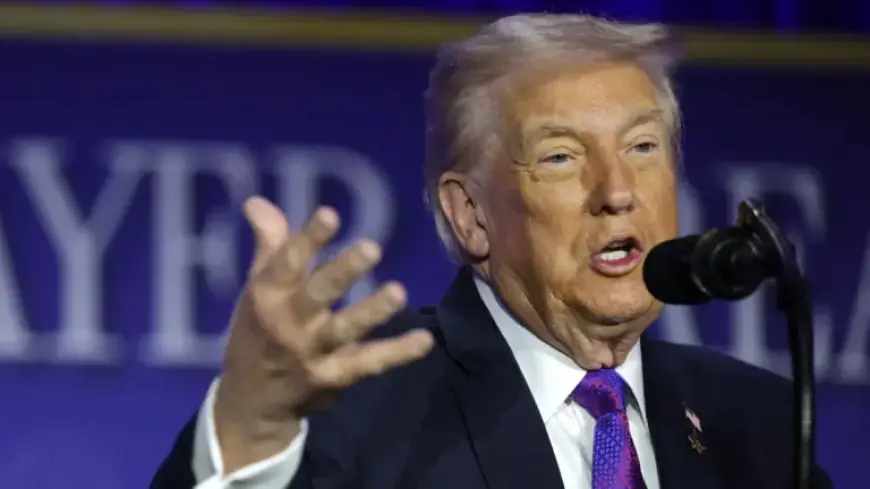
As the midterm elections approach, President Donald Trump’s immigration policies are facing significant political backlash. Recent polling data reveals a majority of Americans believe that federal agents have overstepped their bounds in enforcing immigration laws.
Public Discontent with Immigration Tactics
The dissatisfaction isn’t limited to Democrats; independent voters express similar concerns. According to Republican strategist Alex Conant, this is particularly relevant as independents often influence election outcomes. He highlighted their support for strong border policies but noted their unease with what they perceive as aggressive tactics by federal agents.
The backlash surged following the fatal shootings of two U.S. citizens by immigration officers in Minnesota. A new NPR/Marist poll indicates that 60% of Americans disapprove of the conduct of federal immigration agents. Even some traditionally Republican voters are urging the administration to adjust its approach to regain trust with law enforcement.
Calls for Change from Leaders
- Texas Governor Greg Abbott emphasized the need for the White House to rethink its strategy.
- Trump has reacted by altering the leadership of the Minneapolis operation and withdrawing 700 federal officers.
In an interview, Trump acknowledged the need for a “softer touch” while maintaining a firm stance against serious criminals. However, the specifics of this softer approach remain ambiguous.
Administration’s Defense of Policies
Press Secretary Karoline Leavitt defended the administration, citing a Harvard/Harris survey suggesting substantial public support for the deportation of criminal illegal immigrants. She asserted that a significant majority of Americans favor deporting all undocumented individuals, regardless of additional offenses.
Theresa Cardinal Brown, a former immigration policy advisor, pointed out that the administration may need to pause its operational strategies to refine both policies and public relations efforts. She noted the introduction of body cameras for immigration officers in Minneapolis, suggesting that this move aims to improve accountability and showcase the agency’s perspective.
Political Implications for Trump
Time is of the essence for Trump to address this growing issue. Conant warned that if the immigration topic loses its effectiveness as a political tool, it would pose serious challenges not only for Trump but also for the broader Republican Party.
The current climate presents an opportunity for Democrats to position themselves as more reasonable on immigration concerns. As the political landscape shifts, Trump’s ability to navigate these challenges will be crucial for the upcoming elections.