




















Super Bowl Sparks Selective Outrage: Bad Bunny Embraced, Coldplay Criticized

Controversy erupted surrounding the announcement of the Super Bowl LVIII halftime show after President Donald Trump criticized the selection of Bad Bunny as the headliner. The president described the Puerto Rican artist, known for his music in Spanish, as a “terrible choice” and accused him of fostering “hatred” toward the United States.
Corey Lewandowski, an adviser for the Department of Homeland Security, echoed these sentiments by stating that Bad Bunny’s activities reflect disdain for America. Alabama Senator Tommy Tuberville joined the conversation, claiming the artist spreads “anti-American propaganda.” Political figures have notably branded Bad Bunny an outsider who fails to embody American values.
Background on Bad Bunny
Bad Bunny, born Benito Antonio Martínez Ocasio in 1994, won several prestigious awards at the 68th Grammy Awards, including the coveted album of the year title. Despite facing political backlash, he is a U.S. citizen by the Jones-Shafroth Act of 1917, which granted citizenship to Puerto Ricans.
Historical Context of Super Bowl Performers
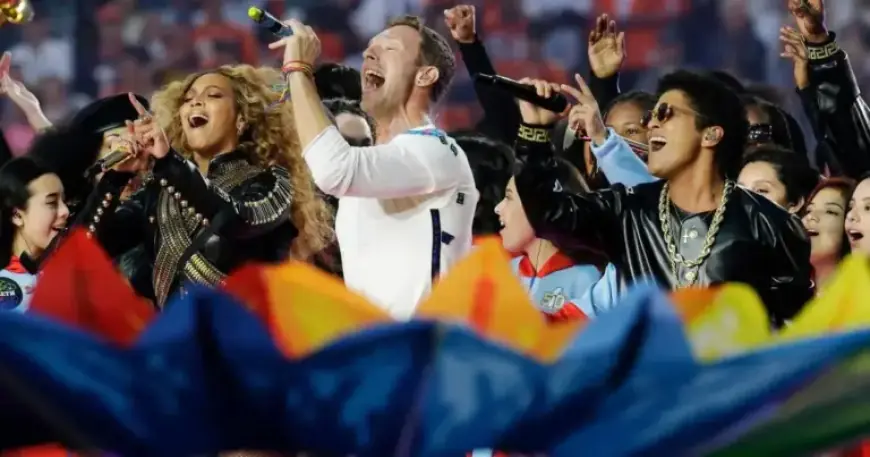
The debate over Super Bowl halftime performers often intertwines with political views, especially in a polarized environment. The history of artists performing at the Super Bowl includes a long list of non-American talents:
- Phil Collins (UK) – Super Bowl XXXIV in 2000
- Enrique Iglesias (Spain) – Super Bowl XXXVI in 2002
- U2 (Ireland) – Super Bowl XXXVI in 2002
- Shakira (Colombia) – Super Bowl LIV in 2020
- The Weeknd (Canada) – Super Bowl LV in 2021
Despite the presence of foreign artists in previous years, political criticism has not arisen for these performers as it has for Bad Bunny.
Counter Actions and Cultural Commentary
In response to the controversy surrounding Bad Bunny, Turning Point USA, a right-wing organization, planned an alternative halftime show. This “All-American Halftime Show” will feature Kid Rock, alongside country music artists like Brantley Gilbert and Gabby Barrett. The event aims to promote conservative values and will air on platforms like TBN and OAN during the same time as the Super Bowl.
Kid Rock made headlines for his remarks about Bad Bunny, criticizing the singer for embracing his cultural identity through performance choices. However, the contradiction in Kid Rock’s past lyrics raises questions about the sincerity of these statements.
Implications of Selective Outrage
The uproar echoes deeper issues regarding cultural representation and identity politics in America. The contrasting reactions to performers like Bad Bunny and those from traditionally celebrated backgrounds highlights ongoing discussions about inclusivity and acceptance in popular culture.
The 2026 Super Bowl halftime show stands not only as a performance but also as a battleground for cultural narratives in the United States. As the nation continues to navigate these complex conversations, the spotlight remains firmly on Bad Bunny and the implications of his selection as a headliner.